

Paul Conroy: the self-doubt driving Liverpool’s most acclaimed war photographer
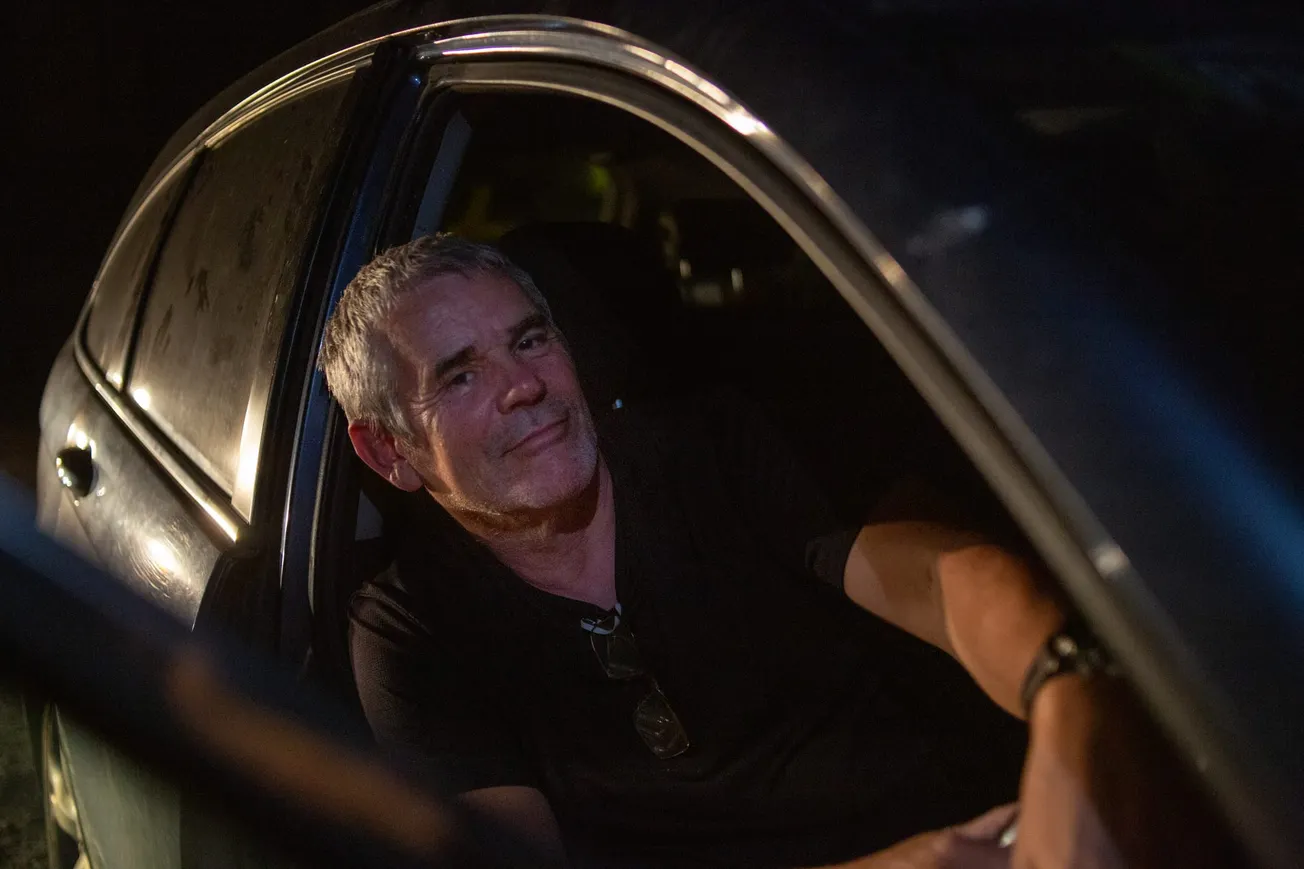
Over drinks in a besieged Ukrainian city, two Scousers swap battle scars
Hello, it's Abi here. Every three years or so, freelance journalist and jetsetter Danny Rigg drops me a story idea that I commission faster than the speed of light. Today is one of those stories — while travelling through warzones, he met esteemed Liverpool war photographer, Paul Conroy.
When news broke of his death last week, he was quick to reach out to The Post and offer a story about this encounter. It's an extremely moving and human tribute to a man who was something more interesting than just 'fearless', and something you won't find The Other Local Paper publishing any time soon. Tears were shed reading this one and we think you might join us in needing a tissue.
If you enjoy today's piece, and want more in-depth, thoughtful pieces about Merseyside and its people, then please consider becoming a paid subscriber below. It costs just £1 for the first three months, so why not support some independent journalism today?
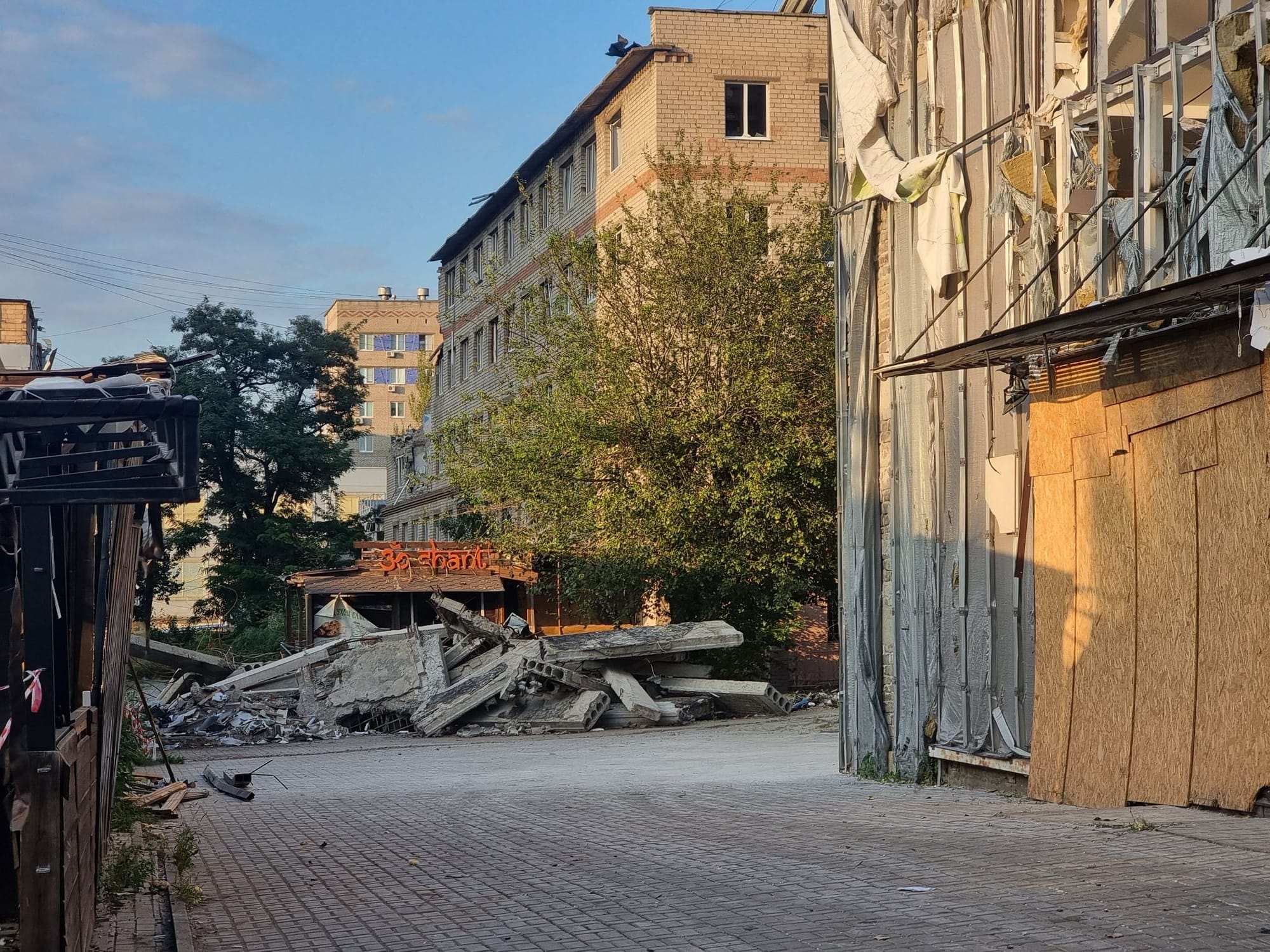
Smoke rises from the edge of Kramatorsk; a series of Russian shells have hit the city, which is 23km from the frontline. It’s August 2023, the height of summer, and two other journalists and I have driven here from Kyiv in an orange, first generation 1970s Lada. As we wind our way through darkness on the bumpy Donbas roads, violating the 9pm curfew, a window falls out and shatters. The previous day, our acceleration pedal had snapped in half, requiring two of us to push the Lada off the road while our driver hooked a wire out under the bonnet as a temporary replacement. But at least the car still started — just about. The Lada’s persistence against the odds seemed oddly suited to the situation we had placed ourselves in, travelling to a warzone from Paris, Beirut and Liverpool respectively. Why do journalists do this?
This was a question I was hoping to answer. While my companions — a photographer and filmmaker — were chasing pictures of destruction, I was in pursuit of a person: Paul Conroy, the Liverpudlian photographer. Paul had achieved international renown for his partnership with legendary war correspondent Marie Colvin, then tragic fame for being blown up in 2012, by now-deposed Syrian dictator Bashar Al-Assad. After the attack, which killed Colvin, he survived another 14 years until he died of a heart attack last week at the age of 61.
Three months before I was being thrown about in the back of the Lada, I’d recognised Conroy’s Scouse accent before his face, while attending the premiere of a documentary in Kyiv.
“I'm hanging out with Paul Conroy!!!” I texted my parents later at a pub. I idolised him. He'd taken on a dictator and come out alive. He was the type of journalist I wanted to be.
Somehow, between pints, I convinced him to do an interview. But when I called on the assigned day — after double checking the night before that the interview was still on — I encountered Paul’s propensity for spontaneous changes of plan: he was enroute to Kramatorsk, a “fortress city” 700km away. So I followed.
Now, two days later, I’ve arrived to the thud of shells rattling the city. They feel close and my colleagues want to hunt down their landing spot, so we hop back in the Lada. I lean across the back seat watching smoke curl above grey, rectangular apartment blocks. The car races towards Kramatorsk’s airport, the likely target, but there’s no way we’re getting within 200 metres of it. We pass a police car; it clocks us, turns and follows us down a side road, calling us to a stop with its siren. Three officers file out and approach the window, gun holsters unlocked. They check our passports, pop the boot. We hold our breaths. They let us go.
My phone buzzes with a text: "I've just seen you get pulled over." It’s Paul Conroy.
The ‘world’s worst waiter’
“I can’t remember what I did last week,” Paul said, twirling a Marlboro cigarette between his fingers, a lighter clenched in the other hand. “I don’t seem to attach too much importance to remembering things”.
One of his sons has Asperger’s, he told me, “and he remembers everything. If the police are coming up, ‘Where were you on the 22nd of July 2018’, I would be like, ‘Mate, I don’t even know what continent I was on’. I would not have a clue. And the only way I would know is, I would phone my lad Max up and I would go, ‘Max, where was I six years ago?’, and he’d go, ‘Well Aston Villa were playing Norwich in the Cup and you were…’. He’s either a genius, or he’s lying, and I can’t prove it.”
Soldiers sat at neighbouring tables. Old film posters adorned the mauve exterior of the cinema next door. It felt like a normal, outdoor restaurant, with tables around a fountain, apart from the kitchen that stopped serving by 7pm so we could be safely booted out before curfew. Paul appeared like every other Scouse da: pot-bellied, out for bevvies, except we drink americanos and passionfruit lemonades instead of alcohol. Due to the heavily armed population of soldiers in Donbas, booze was banned — unless you knew which window sells plastic bottles of bitty, watered-down beer in black bags, or which shop spirits vodka away under the counter. Paul smuggled a crate of booze through military checkpoints to butter up soldiers for access.
If you think I’m mad driving into a warzone with a car long overdue a date with the scrapheap, you haven't met Paul. Raised in Anfield, Paul left Liverpool as soon as he could join the army at 17 but went AWOL so much that he was eventually court-martialled and locked up.
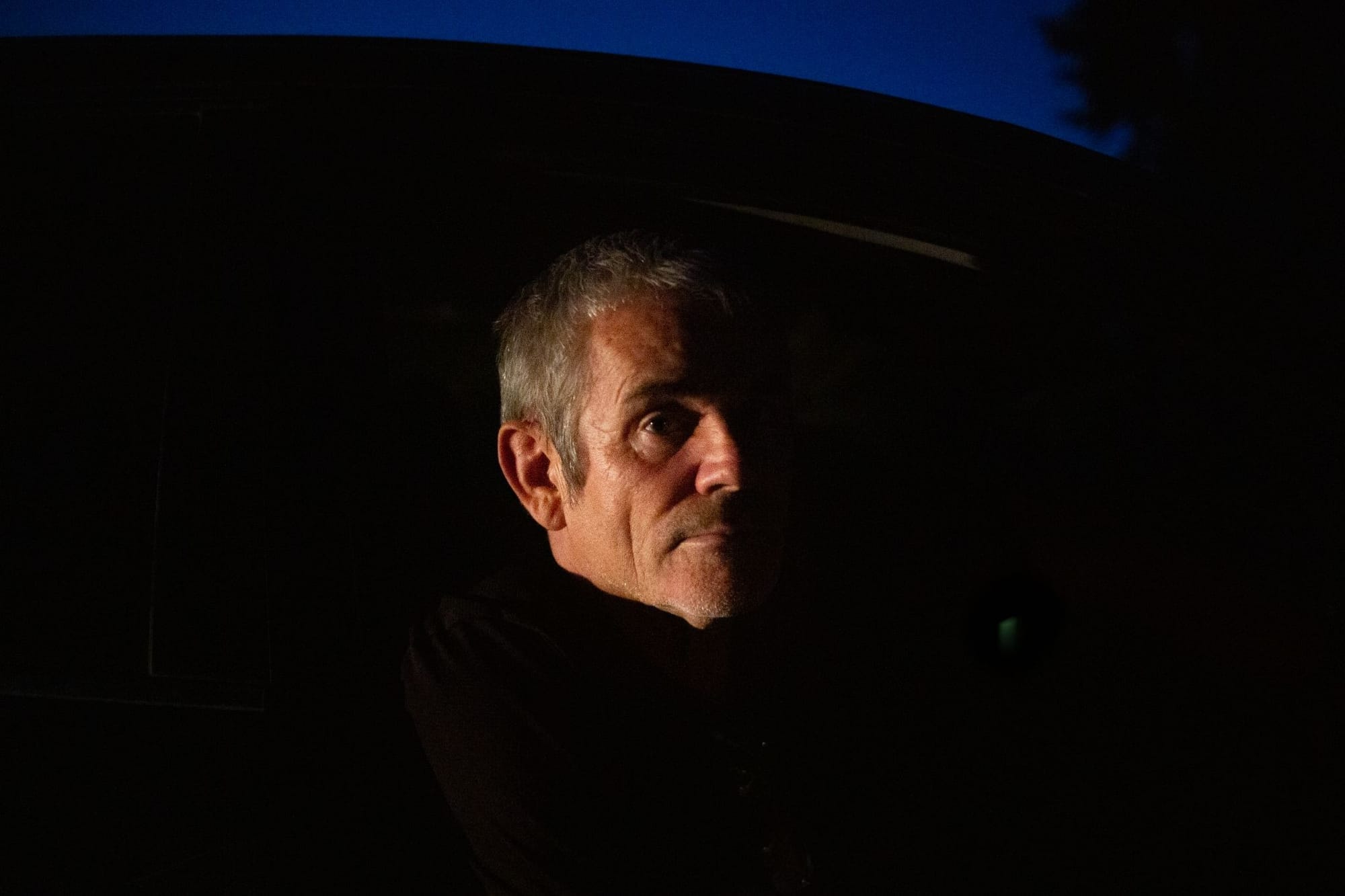
Becoming a war photographer was an accident — while working in a Liverpool music studio (he was a sound engineer on ‘There She Goes’, the 1988 global hit by The La’s), Paul's friend invited him to join an aid convoy destined for Kosovo via Albania in 1998.
Equipped with a camera, he crossed the border with the Kosovo Liberation Army and spent several months there while Serbian forces carried out ethnic cleansing. Since then, he’d gone from warzone to warzone.
In that Kramatorsk restaurant, he regaled me with so many anecdotes, it’s hard to know where to begin. There’s the time in 2003, when he grew so impatient (Paul described himself as the “worst waiter in the world”) to enter Iraq on the brink of invasion, that he paid his fixer a couple of hundred dollars for tyre tubes, rope and wood.
Welcome to The Post, the quality newspaper for Merseyside and the Liverpool city region. Sign up today and get two completely free articles per week delivered directly to your inbox.
That means a Monday briefing with cultural tips, top stories and everything else you need to know, and a weekend read diving deep into a subject, whether that’s lost department stores of local yore or bungled political promises. No mess, no fuss, just good journalism: click below for more.
He used these materials to build, in his hotel room, an inflatable boat to take him and his camera equipment across the Tigris River. From there, he planned to cross the desert to meet the Kurdish Peshmerga in their northern Iraqi stronghold, before they marched south to Baghdad. No need to wait for permission from the Syrian security service like the rest of the press pack.
"It was bulletproof," he assured me, legs crossed, his arm stretched across the back of a bench. Then, an amendment: "Well, it wasn't bulletproof, but it would have handled the Tigris no bother."
The plan didn’t come to fruition, but it did catch the eye of Sunday Times reporter, Marie Colvin. Journalism is so often a race to be first or stand out from the pack and in Marie, Paul met his professional soulmate. But it was nearly a decade before they were actually on assignment together.
Paul recounted the time the pair found themselves under fire in a Libyan trench in 2011, plotting a harebrained scheme to sail across the Mediterranean, sneak into Tripoli and beat other foreign journalists to cover the capital’s fall to rebel forces.
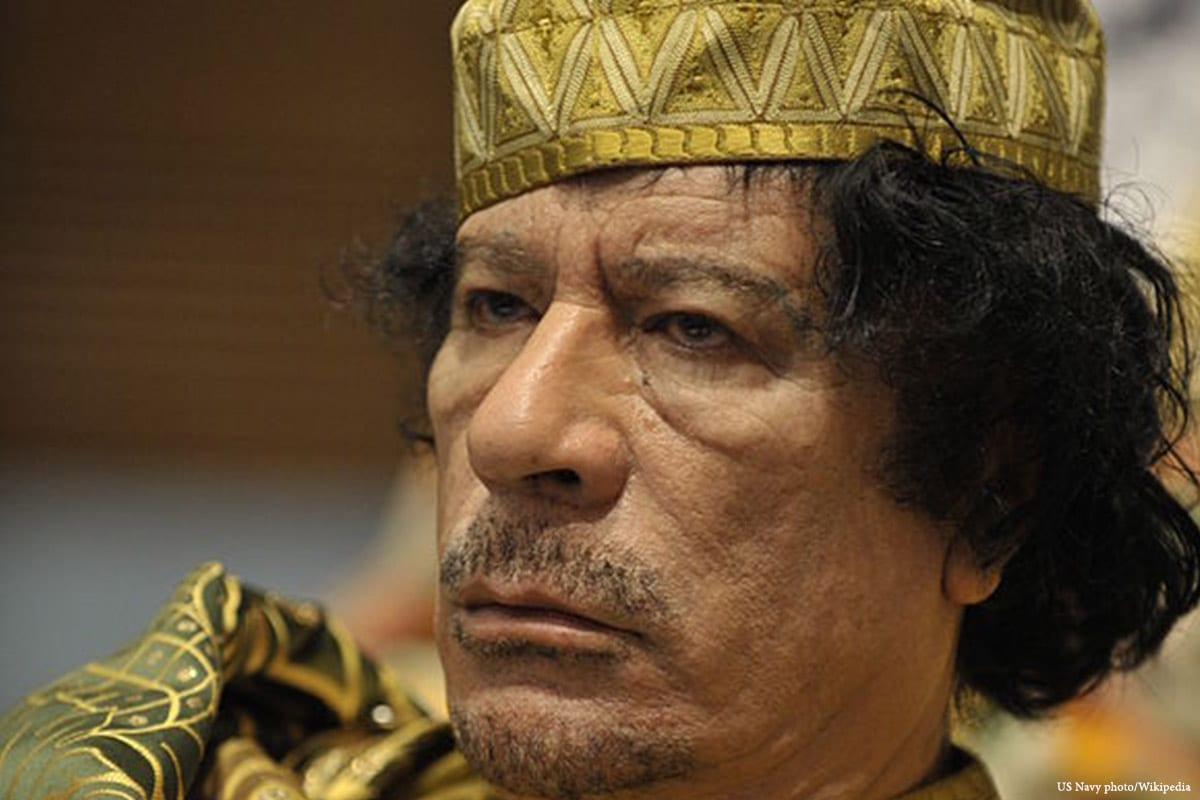
That scheme didn't come off either. The fall of Muammar Gaddafi’s regime was too swift. But Paul was there in time to photograph the dictator’s corpse stored in a meat freezer and, in his captured palace, posed for pictures with the rebel fighters who’d overthrown him.
Months later, the Arab Spring in full swing, a brutal crackdown on peaceful protesters by Syrian president Al-Assad had sparked a civil war. The dictator’s forces were now locked into a siege of the rebel stronghold of Homs. Most foreign journalists hovered in hotel lobbies over the border in Lebanon. Returning reporters from the BBC and Sky News urged caution. Civilians were being murdered, and a press vest offered no protection.
Paul and Marie went anyway, smuggled through a sewer on motorbikes into Baba Amr in February 2012. Some 28,000 people were trapped there, surrounded by a Syrian Army hitting houses with rockets, shells and tanks. A trench stopped any escape.
This story is free to read - you just need to join our mailing list. And why wouldn't you? By becoming a Post subscriber, you'll get our scoops, features, and insights, in your inbox, the second we hit publish. No card details required.
Already have an account? Sign In
Latest
Brezhnev’s back!
In Mossley Hill, one primary school’s parents are fighting against the Archbishop
Property prices in Merseyside are rocketing. But where are the hotspots?
Did the police drop the ball on Gerard Woodhouse?
Paul Conroy: the self-doubt driving Liverpool’s most acclaimed war photographer
Over drinks in a besieged Ukrainian city, two Scousers swap battle scars