

The baby trade: Why Liverpool took thousands of children from their mothers
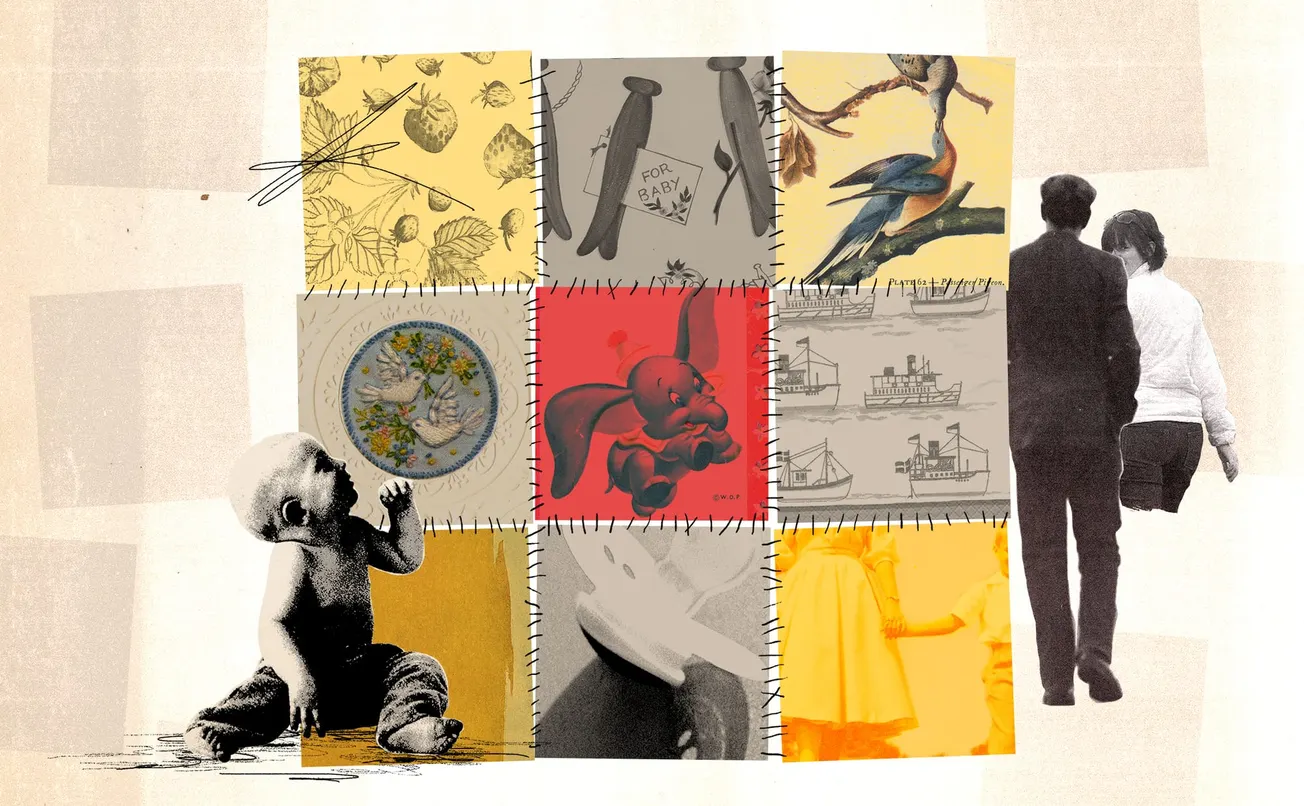
David Lloyd on a shocking untold story
Hello! It's Abi here. Today's weekend read marks the return of David Lloyd to our pages. Last year, he published what was one of The Post's most popular - and most heartfelt - articles, opening up about the loss of his mother and how Merseyside radio stations soundtracked the final days of her life.
Now, David has shared yet another heart-breaking piece with us, all about his adoption and how unmarried women were forced to give up their children across Merseyside.
Stories like this are remarkably important, and in order to produce more we have to be able to pay our staff and freelancers fairly for their work. If you're reading this, you're not yet a paid member of The Post. It costs just £7 a month to upgrade, and in return you'll get access to all our paywalled material as well as invites to events.
Liverpool has always excelled at trade, but one of its most lucrative commodities remains hidden beneath its grand civic façade: the city's trade in babies. For decades, unmarried mothers were locked away and their children forcibly taken from them, leaving many women with lifelong psychological scars. Institutions, authorities and communities chose not to look too closely, treating babies as liabilities to be concealed, moved and neatly reassigned.
It’s a trade in which Liverpool – with its strong religious and moral fervour (both Catholic and Anglican) – excelled. And I was part of it.
"We have a baby boy you might be interested in," the letter – ham-fistedly typed out on letterheaded paper – promised: as if announcing that the lucky recipients, my parents, had won a mail-order prize draw. "Please telephone our offices so that we can arrange a viewing," said the welfare officer.
The letter had been sent from the Lancashire and Cheshire Child Adoption Council, based at Cases Street in the city centre. Polite and perfunctory, it revealed nothing of the pain, torment and – yes, I'm using the appropriate word here – torture that lay behind this neat and tidy enterprise. A truth that I was only to uncover half a century later.
I never really bought the simpering vocabulary of adoption – I was ‘special,’ I was ‘chosen’. Even as a child, I knew that being picked up implied being set down. My happiness had a counterweight that shaped me long before I understood it.
But, equally, I'd never asked my parents about the nuts and bolts of it all. I felt that any inquiry might signal dissatisfaction with my lot, of which there was none. I loved them completely. I wouldn't ever have wanted to change a thing. But there was that nagging sense of dislocation, a ubiquitous otherness that, I've later come to discover, is a common thread among adoptees. The DNA of displacement an umbilical tether to a different life.
Eventually, I summoned up the courage to contact After Adoption, a Ropewalks-based agency (now closed) set up to help adult adoptees trace their birth records. "When you were adopted, no-one imagined these documents would ever reach you,” their volunteer told me. “They tried their best to make it impossible."
The first letter I spotted was a copy of the initial correspondence from the adoption council to my Mum and Dad. Then came reports from social workers, the guardian ad Litem – someone appointed by the court to represent my apparent best interests – notes on visits to my father, who ran out of his back door, never to be seen again.
I was about to shut the box when I spotted a small, hesitant handwritten note in still-vivid turquoise ink beneath the headed paper of St Monica’s Maternity Home, Kendal.
“I now know that my baby would have a better start in life in a loving home,” it read. “I want him to have a proper home life with a mother and father, and I understand that I cannot provide this at this time. I consent to the adoption with full understanding of what is involved.”
The word “now” tugged at me. It implied a before and after. That something – or someone – had made my first mother change her mind. That this letter was less a declaration than a concession prised from a clenched fist.
As I closed the box I felt, more than anything, an overwhelming need to tell her everything was OK.
After more research through electoral rolls I managed to track down my first mother’s current address. I wrote her a letter, enclosed a photograph, and offered the chance of a coffee in some pre-arranged neutral space. I gave her my email too. Her reply came the very next morning.
"I am the person you have been trying to find," it began. No 'Dear', no ‘David’. No ‘Mother’.
"To say your letter was a shock to me is an understatement. I am glad that you are happy. I know this may not be the response you're looking for, but please never contact me again. I'm sorry, Carol."
This made no sense. Why didn't she want to meet me? Rather than answering all my questions, the letters I’d unearthed only raised even more. I needed to understand the machinery behind them. Who were the Lancashire and Cheshire Child Adoption Council, and what gave them the authority to move me from the Lakeland hills to my new home?
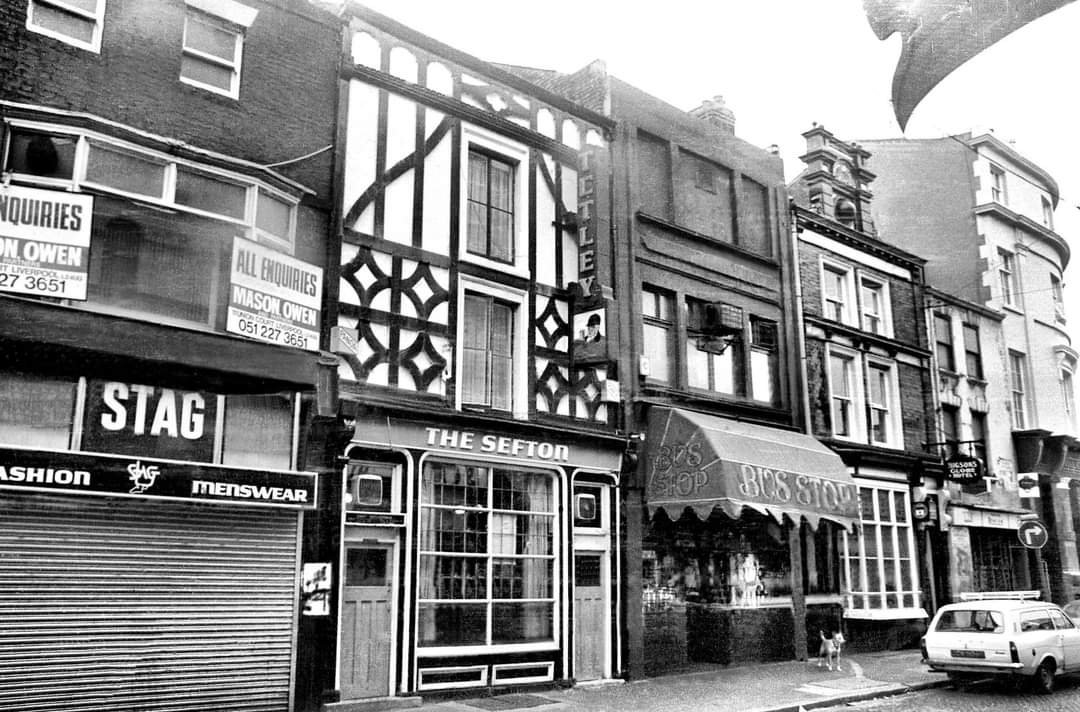
The Liverpool-based adoption council, based where Clayton Square's glass dome rises now, arranged for thousands of single mothers, and their babies, usually aged around 12 weeks, to make the five-minute dash from Lime Street station to their offices. In the 60s and 70s, Cases Street was a rough and ready corner of the city: all late-night bars and adult bookshops. It wasn't somewhere respectable people would be seen.
Welcome to The Post, the quality newspaper for Merseyside and the Liverpool city region. Sign up today and get two completely free articles per week delivered directly to your inbox.
No mess, no fuss, just good journalism: click below for more.
To the outside world the council was a mercy organisation, a collection of well-meaning social architects who believed they were sanitising the shame of illegitimacy.
But for those of us who passed through its hands, the organisation was the engine of a supply chain built on human suffering, coercion and shame; one that treated a mother's grief as the currency for a clean-up operation supported by grants from the Liverpool Corporation, the Diocese of Liverpool, and well-meaning private donors.
This story is free to read - you just need to join our mailing list. And why wouldn't you? By becoming a Post subscriber, you'll get our scoops, features, and insights, in your inbox, the second we hit publish. No card details required.
Already have an account? Sign In
Latest
'Woke' and 'subversive': St Helens to abandon Black History Month, council leader says
A decade of harassment
Forget Manchester, Liverpool runs the Labour Party now
Merseyside councils are serving up padel — whether you want it or not
The baby trade: Why Liverpool took thousands of children from their mothers
David Lloyd on a shocking untold story