


Nobody loves us, and we should care

Not a single private pound. Liverpool's business district just got its verdict – and it's damning
By now you probably don’t need reminding of the finer details of our mini-campaign to pay off our final legal bill from fighting Laurence Westgaph in the courts. What you might need reminding of is the fact we are in the final week.
We need to reach 300 backers by Sunday to cover the full cost of that bill, and show Westgaph that his attempts to bully us into making us reveal the identities of our sources has fully failed.
At the time I write this we stand at 243 people who have got behind us. We’ll need a final push to make it to 300. If you do sign up in this time period though you’ll get the first two months of your membership at a significant discount — just as a little extra prompt. It would be amazing to have you on board.
In one week in July, BT walked out of the city with 600 jobs, and the council admitted that nobody – nobody – would put private money into Pall Mall.
We've been here before. Many, many times. We've written about it too. I trudged through the Business District ghost town two autumns back, past the pockmarked car parks, the half-built luxury apartments and the buddleia. But last week's news of BT's exit and Pall Mall's nationalisation might as well have been summed up in lurid spray paint by Paul Curtis: NO ONE BELIEVES IN THIS CITY.
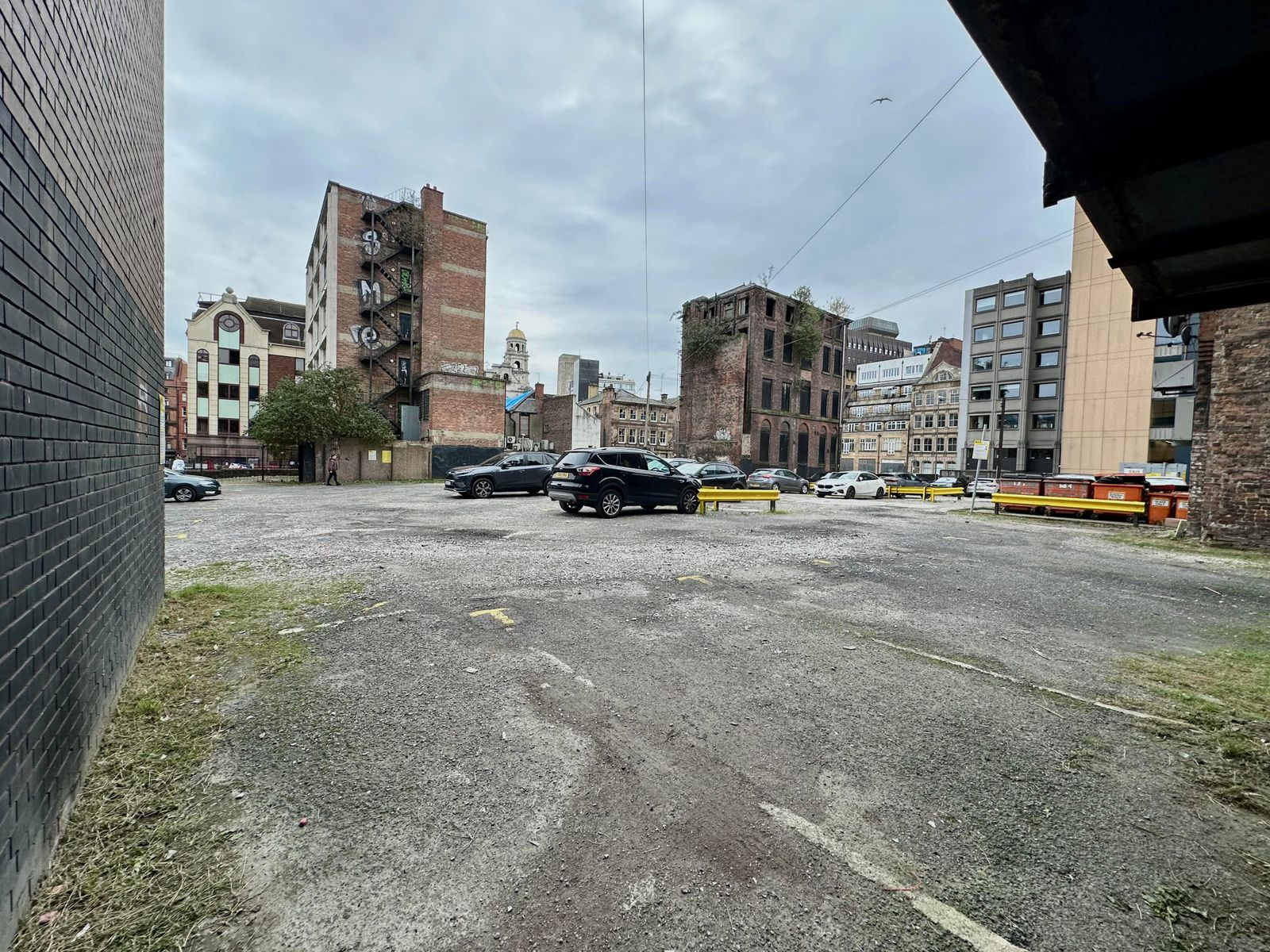
On 30 June, BT told its workers it would be shutting its base at The Plaza on Old Hall Street — news that became public a few days later. Six hundred and one jobs. Their union has said staff are “devastated”. They’ve been offered relocation to Manchester and Leeds, but the company admits even that won't be viable for everyone. It certainly won’t be viable for the precarious community around St Paul’s Square, trying to call itself a Business District.
At its heart is The Plaza, with Nord glowing in its atrium, the most beautiful dining space in the city, doing its best to warm the district around it. Turns out even the modern-day alchemy they do with heritage beetroot can't persuade a FTSE 100 company to ask for more.
Then, a week later, a cabinet report slid out of the Cunard with the news that Liverpool City Council will now fund Pall Mall – the fabled, totemic, forever-imminent flagship of our commercial district – almost entirely with public money. £20.6m borrowed from the Public Works Loan Board. £22m from the Combined Authority's investment fund. £15m from Whitehall. A £1.9m scraping of Section 106 change from the civic slush fund.
That's £59.5m of a £60m first phase. The previous funding structure, involving an actual institutional investor with actual real money, not a fractional investment scheme, or an IOU from your mates, “proved challenging”, the report, with delicious understatement, noted. That’s the sort of “proved challenging” you’ll see written on a toe-tag by forensics before it’s slid into a fridge in a morgue.
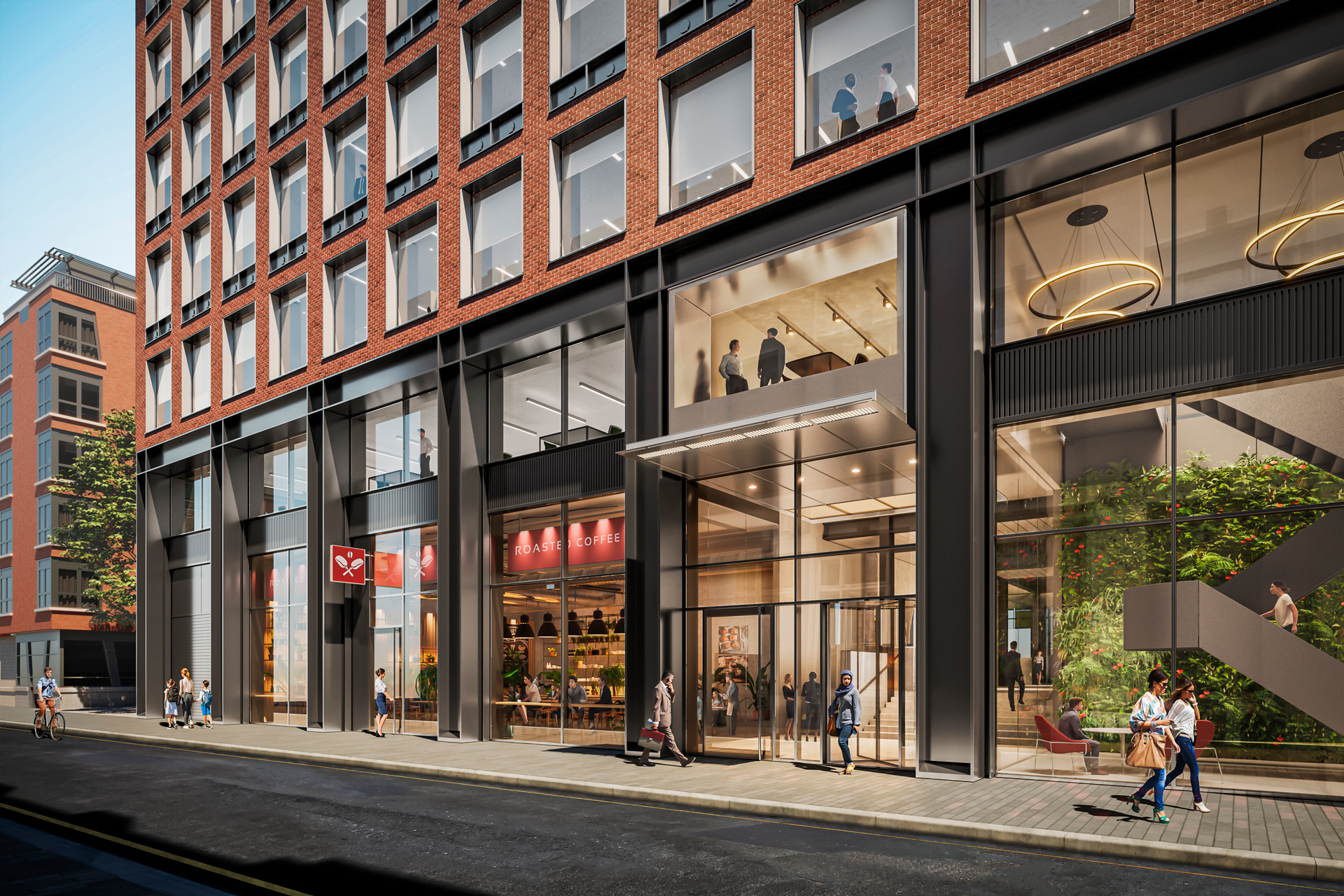
The developers, Kier, are still in the room. But when it came to the money, the capital that decides which cities get grade A offices built and which get cruise ships popping in for six hours and turning around again, not a single private pound could be found for the marquee office scheme in the business district of a city of half a million people.
The council will now buy the finished building itself in 2028 — when it celebrates the 20th anniversary of our Capital of Culture tenure and try to sell it on later. Probably in that ‘later’ period when all those artists’ impressions come true and we’re sipping cortados in a pocket park shaded by gleaming skyscrapers and alfresco Qigong pavilions.
Not so very long ago, BT had chosen Pall Mall as the site of its new Liverpool hub. It was going to be the anchor tenant of phase one – a promise which made the whole scheme stack up. Then the pandemic hit, BT wobbled, the deal died, and Pall Mall spent the next half-decade as a weed farm in the city’s central green belt.
Six years on, BT, sick of being told ‘your call is important to us, please stay on the line while the next available Grade A office space becomes available’, is leaving for Manchester – where, funnily enough, it has a gleaming new flagship at Four New Bailey with room for 2,000 people. Grade A, net-zero, roof terrace, views over the mooted home for Andy Burnham’s new made-in-Manchester government.
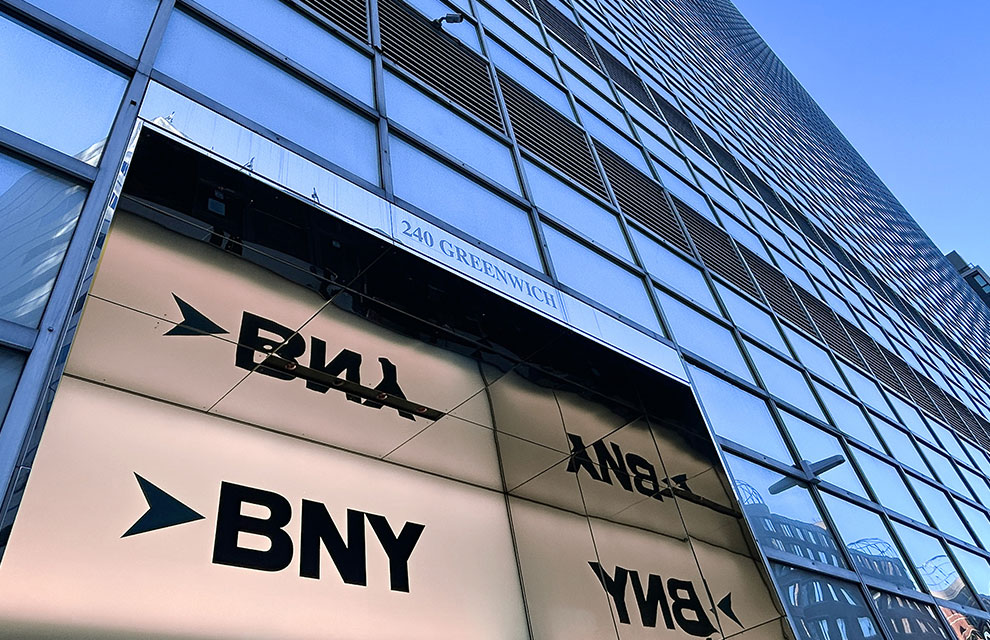
Last September, BNY – the oldest bank in the United States that occupied the entire eighth floor of the Royal Liver Building since 2013 – announced it was closing its Liverpool office too. Around 250 staff relocated to Angel Square in Manchester's NOMA: brand new, BREEAM Outstanding office space. Two blue-chip institutions, roughly 850 professional jobs, making the identical calculation within ten months of each other.
St Paul's Square was our last new-build office in the city centre – and that was 14 years ago. There are kids doing their GCSE options who have never been alive at the same time as a crane over Old Hall Street, and have only ever thought of the city as a place to go axe-throwing while sipping matcha.
Some backstory. In 2018 the joint venture is signed. £200m scheme, 400,000 square feet, 1,800 jobs promised. Joe Anderson boasts of an unprecedented era of growth and a £14bn pipeline. In 2019 the scheme gets planning consent, with Bixteth Street Gardens fenced off for the diggers the next year. The diggers do a bit of digging and then go home.
Last year, the council offered a £15m grant and a fifteen-year rent guarantee on unlet space – essentially saying ‘we'll underwrite your losses until 2042’. That’s a deal you’d be a fool to turn down, right? The deal was passed around investors like one of those UXBs they occasionally dredge up from the docks.
So, earlier this year the Chancellor of the Exchequer personally intervened at the investment forum, UKREiiF, the £2bn Combined Authority fund was wheeled out, and finally the scheme is funded. By us. All of it.
At every nail-biting plot twist, each intervention was announced as the breakthrough. This is the ‘diggers back on the ground’ moment. Then, nothing. Then, eighteen months later, there’s a bigger grant. A juicier carrot.
When investors decline a deal that comes with planning consent, a cleared site, government grant, a rent guarantee and a tier-one contractor attached, the message is clear. The business world has looked at Liverpool's commercial district and priced its confidence at exactly zero. This is something that should keep our councillors and MPs awake at night. You’d think, right?
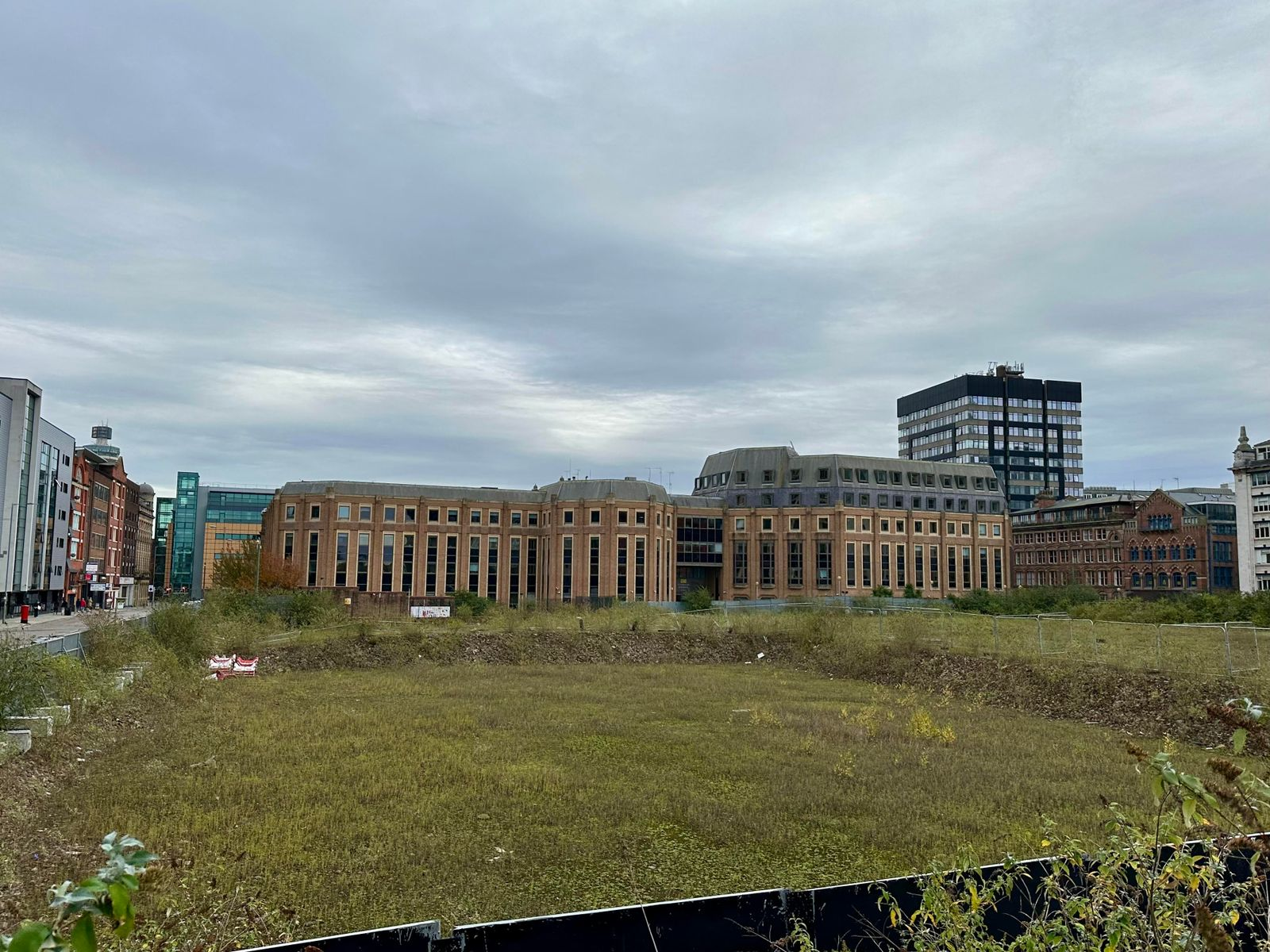
Well you’d be wrong. Kim Johnson, MP for Riverside, called BT's move ‘simply unacceptable” and insisted Liverpool has everything a major employer needs. Which would be laughable if it wasn’t so telling. Take a look around, Kim. Unless you mean car parks and carcasses, in which case, you’d be bang on the money.
What’s “simply unacceptable” is a company that has sat on Old Hall Street for decades, one that actively tried to commit its future to this district in 2020, has done its homework and chosen Salford. Instead of turning your grievance into an alibi, and blaming the businesses, it’s time to close the gap between what we tell ourselves and what businesses actually do when they get the calculator out: that's the real story that Kim and her friends in Cunard house have to reckon with. Instead they blame everyone else. The market, the Mancs, the media.
And what of Steve Rotheram, who’s held office for the entire life of this saga? In March he stood on the Croisette at MIPIM, calling Pall Mall ‘totemic’ (perhaps he was referencing how totem poles were originally erected to honour the dead?), as he unveiled his £2bn war chest, declared the gap with Manchester was closing, and said he'd feel ‘crap’ if the stalled schemes were still stuck this time next year. Don’t worry, Steve, I’m sending over some Immodium.
But worry not, Steve’s on the case. He’s co-signing an ‘open letter’ asking BT to “think again”, we read, its diagnoses that BT has put cost-cutting before “communities” — as if a business weighing up costs is some act of vandalism as opposed to the entire basis on which cities compete for jobs. The question he might ask is why does the calculator keep giving the same answer about us?
Because the numbers don’t lie. They should be pinned to every desk in the Cunard. Here’s just a few of them. Prime office rents in Liverpool top out around £29.50 a square foot – second lowest of the UK's big nine cities. Manchester commands £45 and rising. Birmingham and Bristol have hit £52. BT chose mega-offices in places like Doncaster instead of Liverpool.
So how did we get here? Clearly, there are political factors that continue to affect us — the same few faces appearing like apparitions in the rear-view mirror as we continue our long drive off the cliff’s edge. Operation Aloft, the police investigation into how the council awarded commercial contracts across Joe Anderson’s decade in power, sits stubbornly at the centre of it all, like one of those ugly pockmarked car parks. Anderson denies all wrongdoing, as do his eleven co-accused.
On that we’ll have the truth in time. But we don't need to wait for a verdict to see what went wrong strategically, because the government put it in writing five years ago. The Caller Report of 2021 found failings in the council's regeneration, property and planning functions so serious that Whitehall sent commissioners into the Cunard, yadda yadda…sadly, we all know the tune. Last week’s news was simply the encore.
Beneath the governance failure sat a failure of priorities. When commercial values are on the floor, residential was the easy win. The nice little get rich quick scheme for the lucky few. So the Anderson-era waved through the conversion of a million square feet of offices into apartments and hotels, and presided over the fractional-investment boom that left skeleton towers on the skyline. Residential was the low-hanging fruit, and the city gorged on it while the harvest withered.
If Pall Mall gets built, opens full, and drags rents through the fabled £30 a square foot mark, the council's gamble could pay off. But let's not pretend the events of last week were anything other than what they were: a shameful vote of no confidence in our city, and its future.
Comments
Latest
We campaigned, they listened. So why is the botanical garden still in trouble?
Flights of Fancy: the debunked Liverpool Airport migrant conspiracy
Are we finally getting the 'new Baltic Triangle'?
Send us your tips
Nobody loves us, and we should care
Not a single private pound. Liverpool's business district just got its verdict – and it's damning