

Don't let 'Manchesterism' devour Liverpool

Andy Burnham has been called a ‘dream’ for our city. But maybe he’s a nightmare
The elevation of Andy Burnham from mayor of Greater Manchester and titular “King in the North” to prime minister of the United Kingdom has been almost universally perceived as good news for Liverpool. Not only does Burnham come from Liverpool (sort of), and is a diehard Evertonian, he also enjoys a long and close friendship with our city region’s own metro mayor, Steve Rotheram. Indeed, he even collaborated with Rotheram and local political journalist, Liam Thorpe, on a political prospectus setting out a shared vision for a UK renewed through radically devolving power and resources. For the Knowledge Quarter Liverpool’s chief executive, Colin Sinclair, Burnham's ascension is a "dream" and the "best opportunity for the future" of the city.
Surely, then, Burnham’s rise to power and his emphasis on devolving powers from Westminster to regional bodies can only be a good thing for Merseyside. But while devolution is often presented as pure opportunity, there’s also a hidden danger for our city-region lurking in the subtext. To see the potential pitfalls ahead, we need to look back.
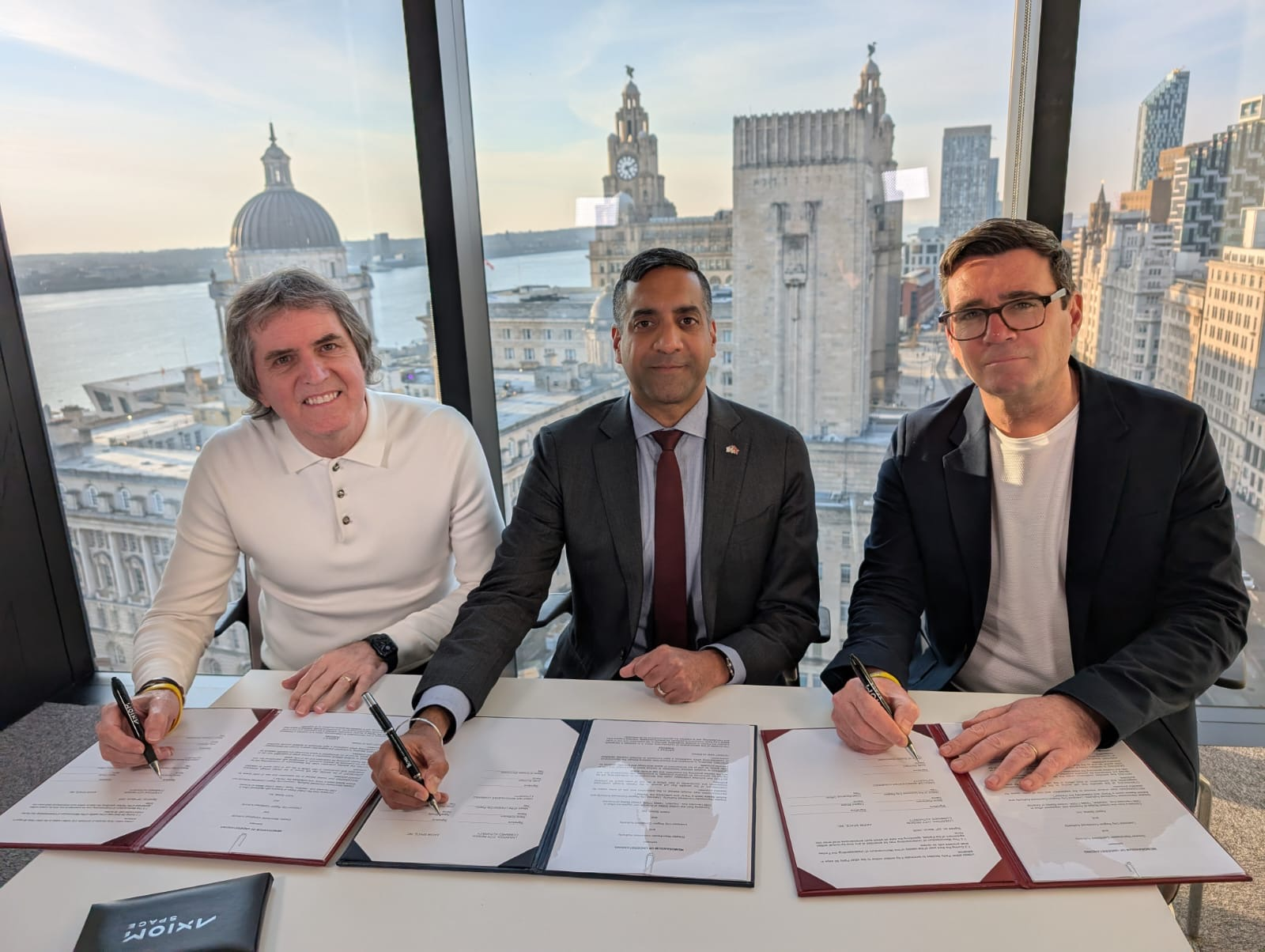
Liver bird as phoenix
Rewind to the turn of the 21st century, when Liverpool began to visibly reverse its long civic and economic decline. The popular mantra was that Manchester had a ten-year head start on Liverpool in terms of regeneration, but with enough ambition, hard work and a laser-focused vision, Liverpool could catch up and perhaps even surpass its high-flying neighbour.

Hello, readers — Laurence here. Today's blistering return to The Post by Jon Egan is exactly the kind of hard-hitting yet solution-offering essay we're proud to bring to Merseyside's most thoughtful audience: you! The way Jon weaves the city's heritage into its potential future, while pointing out the pitfalls of devolution, is a masterclass in prose.
It is, however, only for our paying members. Because you already subscribe to our free list, I know this is just the kind of confrontational journalism you're crying out for. I want — nay, need — your comment on it. So it's finally time to come off the bench: become a fully fledged member today, read this thought-provoking argument, and yell at us below if you disagree with a single word. This is the future of our city we're talking about here, and I want a bloody symposium on it!
Manchester, then, was a benchmark against which Liverpool could measure its progress. But within New Labour's regeneration matrix, driven by powerful and well-resourced Regional Development Agencies, it was also a potential partner. Located in the political and geographic neutral zone of Warrington uncharitably described by the late Tony Wilson as "the perineum of the North West", the North West Development Agency (NWDA) helped deliver unprecedented investment in infrastructure, employment and flagship development projects across the region with a heavy emphasis on the two cities identified as its primary growth engines.
In Liverpool, the NWDA would collaborate with the city council; the country’s first urban regeneration company, Liverpool Vision; and the European Union Objective 1 programme, set up to give a booster shot to the economy of regions “whose development is lagging behind”. These collaborations would prove pivotal over a ten-year period, leading to Vision publishing their Strategic Regeneration Framework in 2000 in partnership with the architecture and urban design practice SOM.
For Merseyside to act as an economic motor for the wider region, it needed to be equipped with certain fundamentals. Liverpool had for years been losing a lot of its retail spend to Manchester and even Chester, so building Liverpool One was vital.
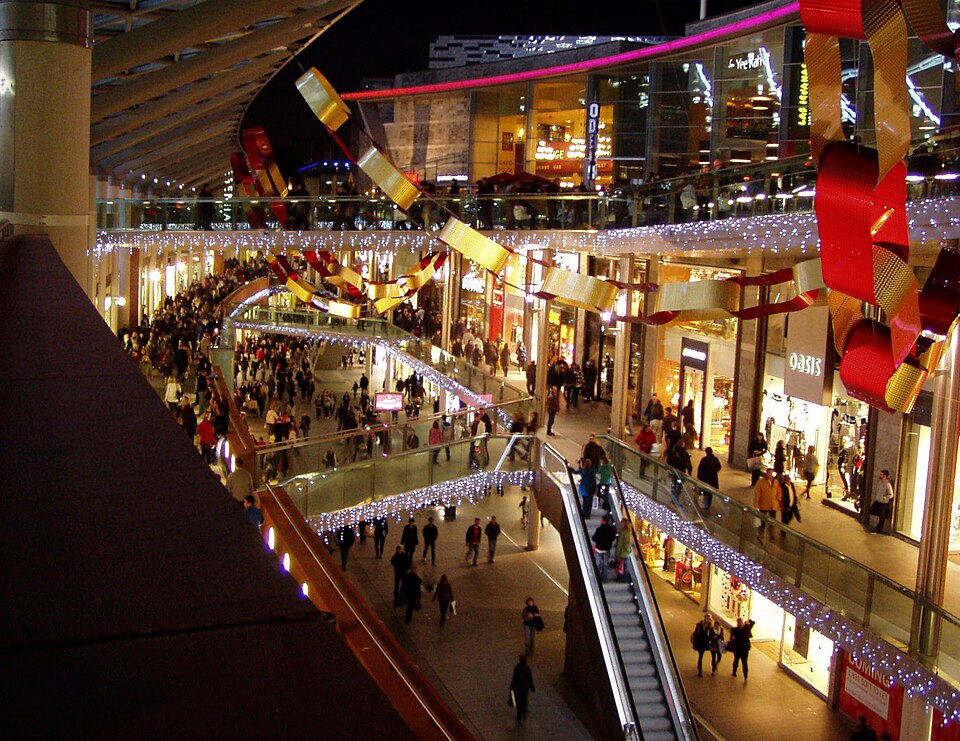
Similarly, no substantial office supply meant that attracting employers was difficult; hence 83,000 square metres of new office space, developing the commercial district. To build its economy around tourism and hospitality, the city needed an arena to host music and sports events — et voilà, the King’s Dock arena, which partially fulfilled a secondary purpose of making the waterfront more attractive and connected to the city centre. (Perhaps the biggest failing of this period was the one objective that wasn’t delivered on: trams.)
In his urban policy report from the time, Make No Little Plans: The regeneration of Liverpool city centre 1999-2008, Professor Michael Parkinson concluded that as important as these changes was “the contribution that Liverpool Vision has made to the way Liverpool sees itself, sells itself and runs itself.” He found the post-Vision city “more ambitious, more confident, more market oriented” and quoted the former CEO of Tesco, Sir Terry Leahy, who seemed equally upbeat about the regeneration. “The most important thing is that the image of the city is being repaired,” Leahy said. “That makes investment possible.”
This ebullient commentary felt typical of the period between 1999 and 2009, when Liverpool seemed to have shed the unflattering stereotypes and negative perceptions that had relegated it to the lower divisions of UK cities. Critically, the city had won back the government’s trust, and demonstrated they could use public funds responsibly and effectively.
A legacy of abandonment
But this upswing wasn’t to last. In the aftermath of the global financial crisis and against the headwind of austerity, the city's regeneration efforts lost focus and momentum. The challenges were compounded by the abolition of the Regional Development Agencies and the questionable decision by the city's newly elected supremo, Joe Anderson, to bring Liverpool Vision's functions directly under the control of the town hall; so much for “if it ain’t broke, don’t fix it.” Staff at Liverpool Vision had proved their abilities as regeneration experts, economists, urban designers and planners. They now had to defer to leadership at city council — to varying results.
Liverpool deserves great journalism. You can help make it happen.
You're halfway there, the rest of the story is behind this paywall. Join the Post for full access to local news that matters, just £7/month.
SubscribeAlready have an account? Sign In
Latest
The bakery rankings Merseyside didn’t ask for
Can The Beatles' tower revive Liverpool’s 'struggling' music scene?
BREAKING: Police probe horror maze at abandoned hospital
What’s behind Liverpool’s ‘XL gully’ problem?
Don't let 'Manchesterism' devour Liverpool
Andy Burnham has been called a ‘dream’ for our city. But maybe he’s a nightmare