

Can Formby’s red squirrels be saved?
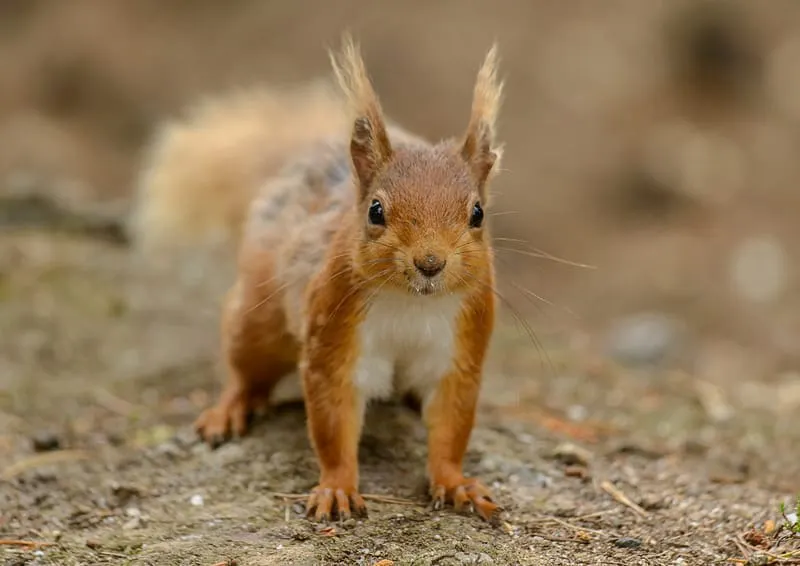
The worst squirrel pox in years has hit Merseyside — and younger volunteers are squeamish about the solution
Good morning. In April this year, Natural England published a report forecasting a grim future: if a "do nothing scenario" were adopted, red squirrels could disappear from mainland England within the next 25 years. One of the biggest reasons for this prediction is that grey squirrels spread the squirrel pox virus to their red counterparts, and the illness "is fatal to the red squirrels but not the grey squirrel." It's a particular concern in Formby, where the large red squirrel population is at risk — according to Lancashire Wildlife Trust, during the last big outbreak in 2008, the red squirrel population in Formby fell by approximately 80%. So how should we fight back? That’s today’s story, reported by journalist Jessica Bradley.
Red alert
“At the heart of the squirrel pox outbreak, I’ve had red squirrels die on my lap,” says Molly Frost, Lancashire Wildlife Trust (LWT)’s red squirrel officer. “It’s a very painful way to die.”
For decades, Formby and the surrounding borough of Sefton have enjoyed the highest density of red squirrels in England. But since July, this population has been threatened by what Frost describes as one of the worst squirrel pox outbreaks in almost 20 years — a result of contaminated garden feeders and a lack of young volunteers willing to cull the grey squirrels that spread the disease. It’s a crisis that is threatening one of England’s last major red squirrel refuges and exposing how quickly decades of conservation gains can be undone.
Liverpool deserves great journalism. You can help make it happen.
You're halfway there, the rest of the story is behind this paywall. Join the Post for full access to local news that matters, just £7/month.
SubscribeAlready have an account? Sign In
Latest
Can Formby’s red squirrels be saved?
Luxury student housing’s well and good — but I miss when Liverpool was bedsit land
Sefton aviary dispute continues to ruffle feathers
Brezhnev’s back!
Can Formby’s red squirrels be saved?
The worst squirrel pox in years has hit Merseyside — and younger volunteers are squeamish about the solution