

As Chinese car-making booms, Liverpool spots a chance to reindustrialise
Is the city's post-industrial malaise ending? Plus: a threat to the future of the Women's Hospital
Dear readers — welcome to your Monday edition, on what’s shaping up to be a chilly but bright day on Merseyside. You may have read Laurence’s recent opinion piece complaining about, among other things, Liverpool’s lack of progress on several large and semi-large developments.
 Laurence Thompson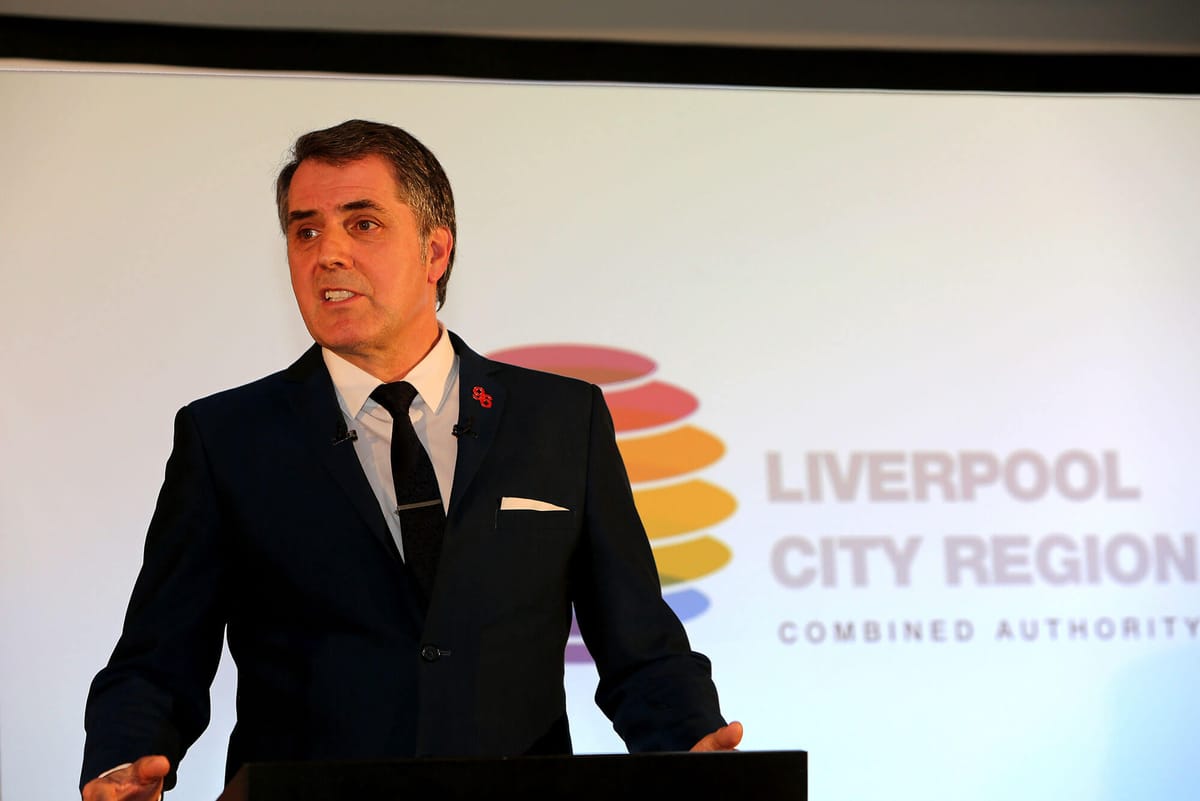
Well, today’s big story concerns a new manufacturing plant announced for Merseyside and whether it can reverse the country’s post-industrial fortunes. Will this prove to be the nudge the city needs, or yet another let down?
Also in today’s edition, we speak to Lesley Mahmood, co-founder of Save Liverpool Women’s Hospital, about the possibility of critical cases being moved to the Royal — something she says threatens the future of Europe’s largest obstetrics, gynaecology and neonatology research hospital in Europe, part of the “deliberate deconstruction of the NHS behind closed doors.”
Welcome to The Post. We’re Liverpool's quality newspaper, delivered entirely by email. Sign up to our mailing list and get two totally free editions of The Post every week: a Monday briefing, full of everything you need to know about that’s going on in the city; and an in-depth weekend piece.
No ads, no gimmicks: just click the button below and get our unique brand of local journalism straight to your inbox.
Your Post briefing
In November 2021, the city and surrounding area rallied around Liverpool Women’s Hospital after a taxi driver bravely thwarted an improvised explosive attack. But in the years since, the future of the hospital — the largest of its type in Europe — has been unsure, with proposals tabled to relocate to a different site or even move maternity services to the city’s general hospitals. The latter plan now looks likely to be scaled back due to costs, with NHS Cheshire and Merseyside saying it would only move "a small number of the most complex and high-risk cases."
But Lesley Mahmood, spokesperson for the Save the Liverpool Women’s Hospital, says the campaign group is not convinced that even this more modest proposal was workable. “Where is there room for 30 complex births at the Royal [Liverpool Hospital]?” Ms Mahmood said to The Post. She points out that the Women’s is not just a hospital for Liverpool, but serves patients as far afield as Cheshire, Wirral and the Isle of Mann, and that any plan that removes a key component of the 30-year-old hospital could lead to it being declared unviable. “That’s a common theme all across the NHS — a deliberate deconstruction of the health service behind closed doors.” Last week, Dr Fiona Lemmens, executive clinical director at NHS Cheshire and Merseyside, told the BBC that the plan was the “only viable option in the short-to-medium-term” and would affect less than 1% of patients.
You may have read Laurence’s piece in late 2025 about Kirkby, which touched upon the nearby Simonswood industrial estate and the proposed temperature treatment facility — “I’m sick and tired of Kirkby being a dumping ground,” as councillor Steve Smith told us at the time. Now, the deputy prime minister David Lammy has been moved to concur: “People are right to be furious,” he said. Filling in for Keir Starmer at prime minister’s question time, Lammy was responding to Knowsley MP Anneliese Midgley, who highlighted “people struggle to breathe, they’re sick, they have to live with their windows shut, and schools sometimes shut down for days” as a result of the “Simonswood stink.” According to the LDRS, residents have complained of “holding their nose” due to a “rotten egg” and “sewage” smell which has blighted the area for years.
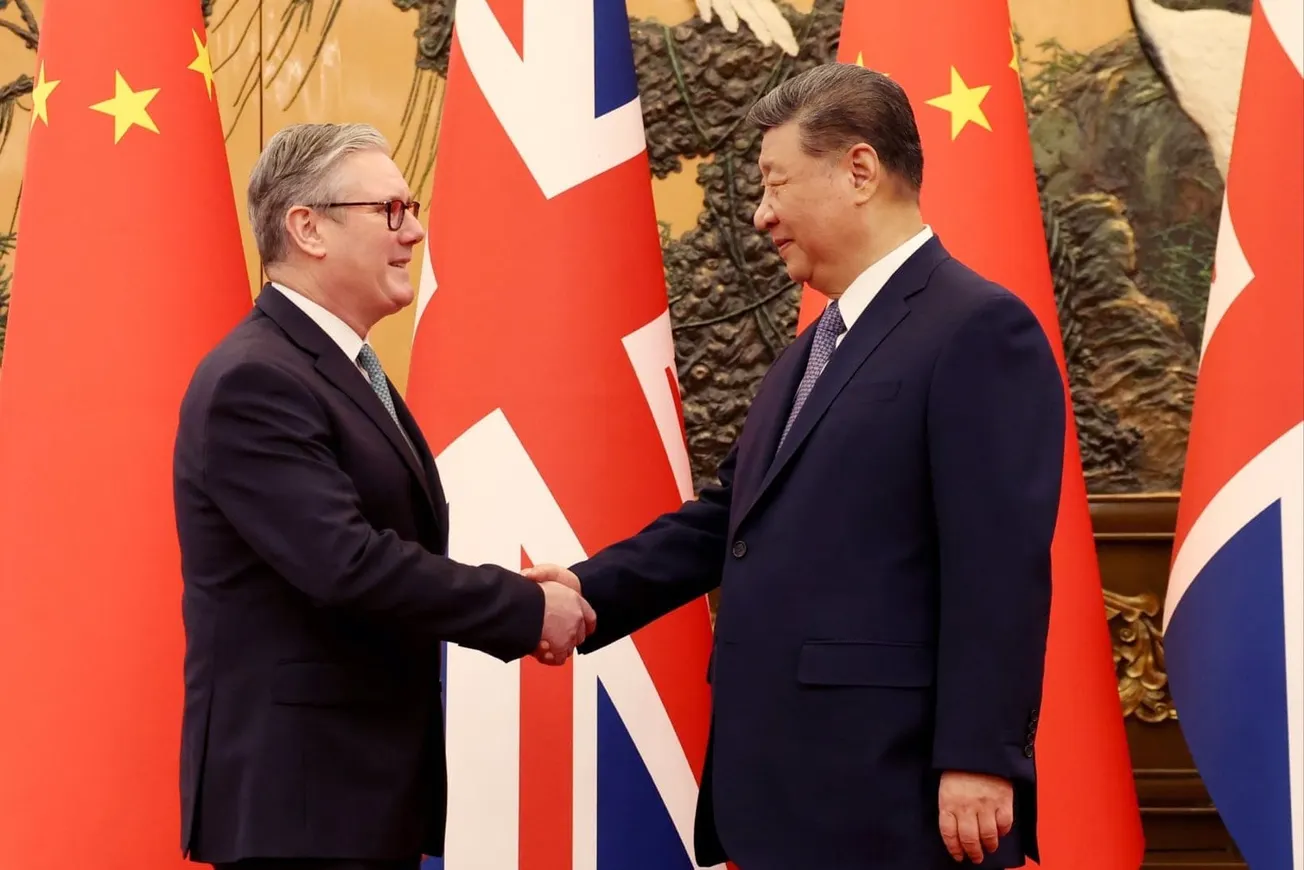
And Shanghai is set to loan Liverpool a Chinese art collection later this year. The collection includes painted face masks used in the Peking Opera, Shanghai-style paper cutting as well as traditional folk painting which showcases rural life in China. The announcement was made as part of prime minister Keir Starmer's visit to China, with Hu Muqing — president of the Shanghai Art Collection Museum — saying he hoped the exhibition "will help foster mutual understanding and further deepen our friendship" with our twin city.
The big story: As Chinese car-making booms, Liverpool spots a chance to reindustrialise
Top line: Keir Starmer’s détente with the Chinese government may bring manufacturing jobs back to Liverpool.
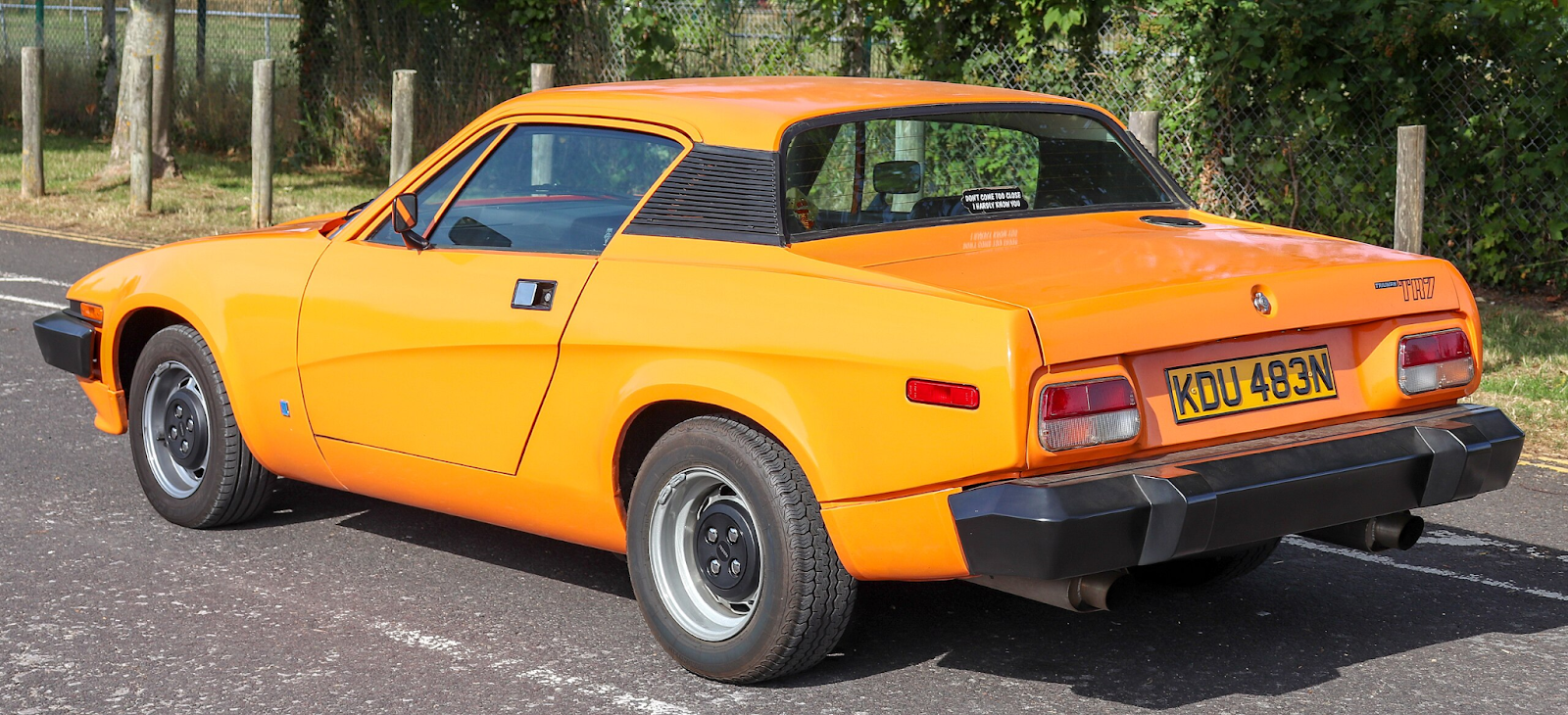
Context: Many readers will doubtless remember Merseyside’s painful period of deindustrialisation. Despite what many of us now chalk up to Thatcherism, it actually predated her time as prime minister: before the Tate & Lyle sugar refinery on Love Lane closed in 1981, British Leyland’s Speke No.2 Plant shut down in 1978. Business journalists went onto the Tonight programme to attack the Liverpool workforce as feckless and strike-happy — while workers told a different story, saying the company’s TR7 model was fatally flawed from the start, with manufacturing hobbled by duff engines and a badly furnished production line. By the time Dunlop in Walton and the Matchworks in Garston closed in the 1990s, the city’s workforce was nearly a third smaller than it had been thirty years before.
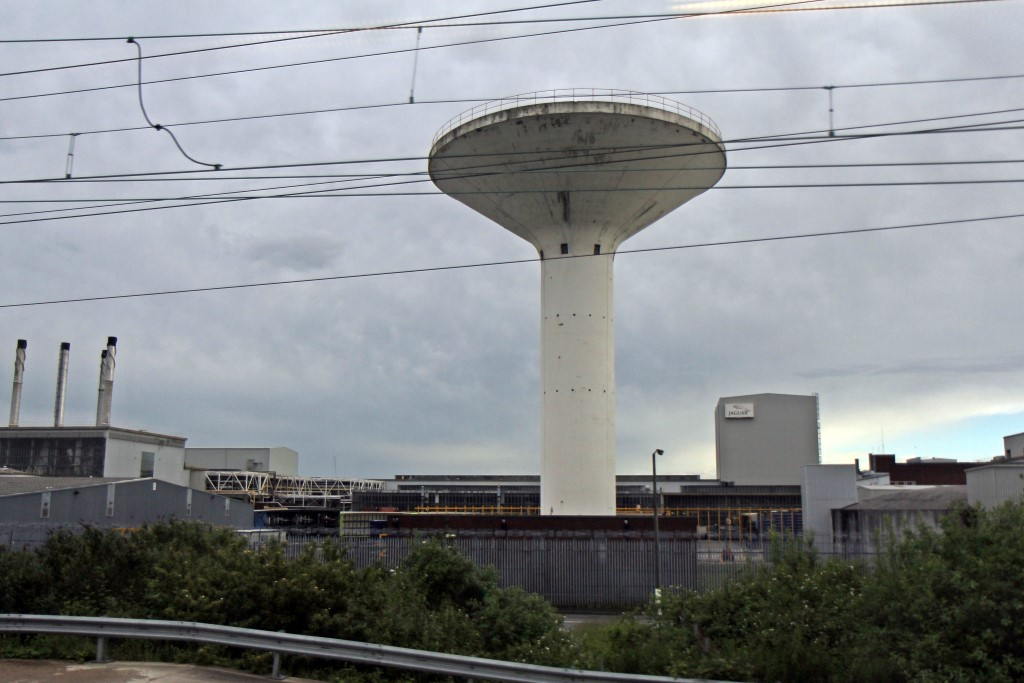
In recent years, the region has suffered further disappointments. Two years ago, then-chancellor of the exchequer Jeremy Hunt announced that AstraZeneca was set to inject £450 million into the establishment of a new vaccine manufacturing plant in Speke. But a year ago, the deal unceremoniously fell through. Later that year there was more bad news, as Jaguar Land Rover (JLR) was forced to close its Halewood factory — which produces smaller Land Rover variants, the Discovery Sport and the Range Rover Evoque — after a cyber attack.
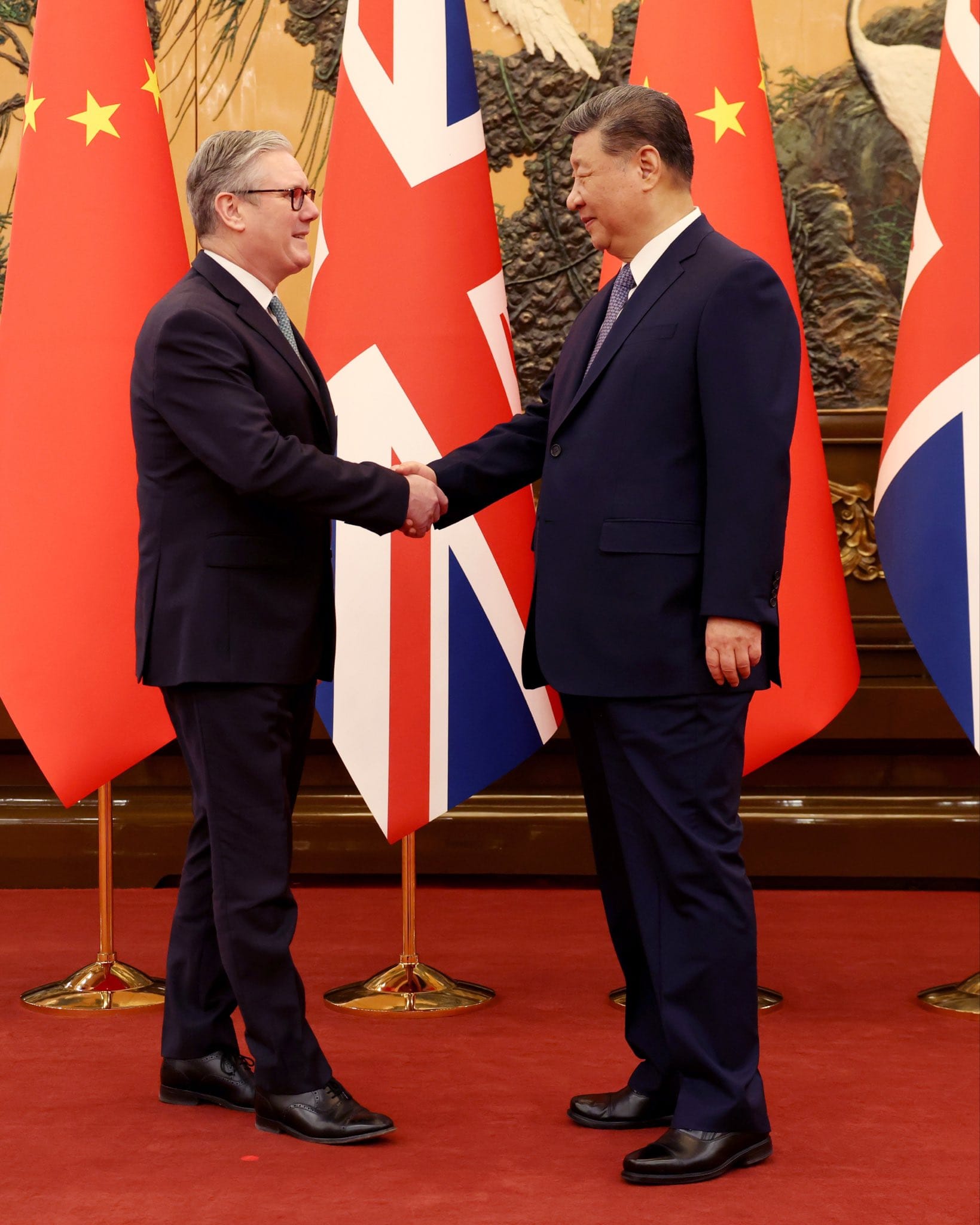
But soon Liverpool will once again be participating in car making. The city will host European operations for Chinese state-owned Chery Commercial Vehicle (CCV), the car giant and parent company of brands like Omoda and Jaecoo. This announcement followed prime minister Keir Starmer’s trade visit to China, where he was accompanied by representatives from JLR.
In October, CCV was already the top-selling Chinese manufacturer in the UK after targeting the market with electric cars and hybrids, which combine a smaller battery with a petrol engine.
It’s thought that the announcement may pave the way for a deal for JLR to manufacture cars on CCV’s behalf — a plan the UK government has been working on for some time. Last June, Gong Yueqiong, CCV’s general manager, said: “We are not just bringing products to the UK — we are building a British business.” Gong has since commented that Liverpool is the “perfect environment” for the company’s aspirations.
Although no manufacturing deal has actually been finalised, the council hailed the announcement as "one of the most significant projects" for the city's advanced manufacturing base in recent years. Council leader Liam Robinson said CCV’s choice of Liverpool “is a major vote of confidence in our city’s capabilities, our workforce and our long-term vision for clean, inclusive growth.” Metro mayor Steve Rotheram said the move would “create high quality jobs and long-term economic benefits.”
Starmer’s decision to court Chinese political and manufacturing decision-makers comes after tensions with another world superpower. Post alumni Jonny Ball recently argued in Unherd that the USA is no longer a reliable ally, advocating that Starmer should adopt Canada’s (Evertonian, incidentally) PM Mark Carney’s “delicate rapprochement with Beijing”. Liverpool has, of course, a near-200-year association with China, the home of the oldest Chinese community in Europe and a twin city of Shanghai. Whether these connections can be exploited in a time of better Anglo-Sino relations is yet to be seen.
Bottom line: The details on this project are presently scarce, with no official word from CCV when Liverpool will become its European hub. David Bailey, professor of business economics at the University of Birmingham, told the Guardian that any deal could use spare capacity at JLR’s Halewood site, but there is no confirmation of exactly where in the city or on Merseyside it will be based.
After so many disappointments, residents of the city region will be cautious about celebrating this news too much, while hoping CCV delivers on its promises.
Photo of the week 📷
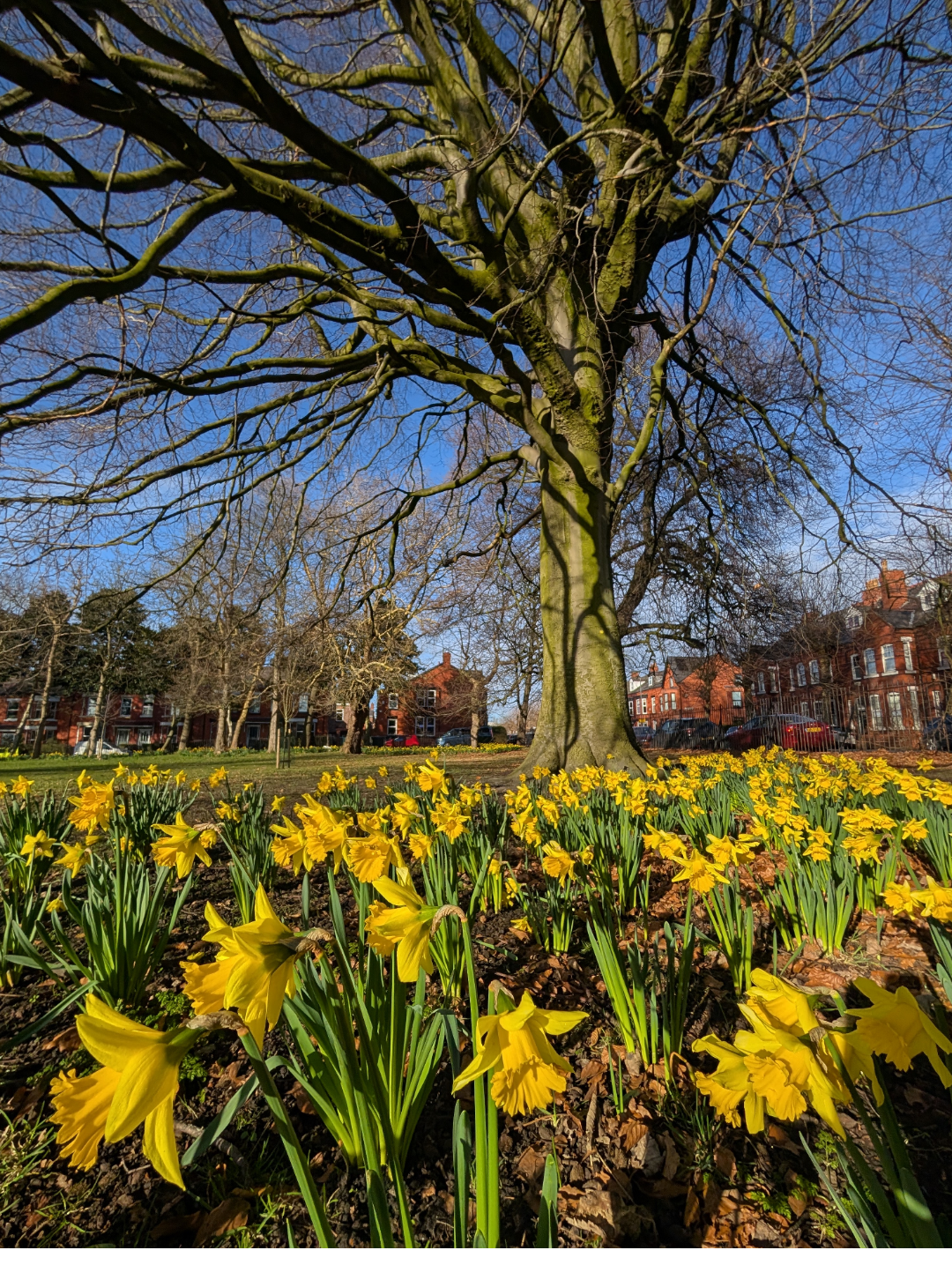
A gorgeous shot of Greenbank Park taken by TomatilloFalse on Reddit. “Absolutely gorgeous yesterday,” they wrote. “These daffodils have been out since before Christmas! Seems crazy early!”
We’re always keen to feature photos from our readers — if you have a snap you’d like to share please email it to editor@livpost.co.uk for a chance to be featured in our Monday editions.
Post Picks
📽️On Friday night, head to DoEs Liverpool for a night of bold, funny, unsettling short films exploring desire, repression, and transformation. Expect dark humour, surreal turns, and moments of uncomfortable intimacy as part of their Fringe Flicks series. More details here.
🎹On Saturday, Liverpool Cathedral is presenting an evening of music with Jan Liebermann, one of the most exciting young organists of his generation. Hailing from Frankfurt, Jan has gained international acclaim, becoming the first organist to receive the prestigious Deutschlandfunk Sponsorship Award following his solo debut with the Berlin Philharmonic. Find out more here.
Also on Saturday: Future Yard is collaborating with the Manchester Collective, giving attendees a rare chance to experience an intimate string quartet show headed by Jasmine Morris. Tickets here.
Recommended reads 📖
Last week our sister publication, The Mill, made a bold move. They noticed that the Manchester Evening News (MEN), a Reach Plc publication, had been pay-walling articles that were written by Local Democracy Reporters — journalists funded by the BBC license fee. That means that MEN readers were essentially paying for this journalism… twice. To combat this, The Mill has vowed to republish all MEN “premium” journalism that is actually Local Democracy reporting for free on its website. Hats off!
Sign up to our mailing list and get two totally free editions of The Post every week: a Monday briefing, full of everything you need to know about that’s going on in the city; and an in-depth weekend piece.
No ads, no gimmicks: just click the button below and get our unique brand of local journalism straight to your inbox.
Comments
Latest
A dish best served cold: Laurence Westgaph sued us to reveal our sources - and lost
Steve Rotheram’s friends in high places
The children in the Travelodge
A slippery slope
As Chinese car-making booms, Liverpool spots a chance to reindustrialise
Is the city's post-industrial malaise ending? Plus: a threat to the future of the Women's Hospital