

What the Liverpool FC parade report doesn't say
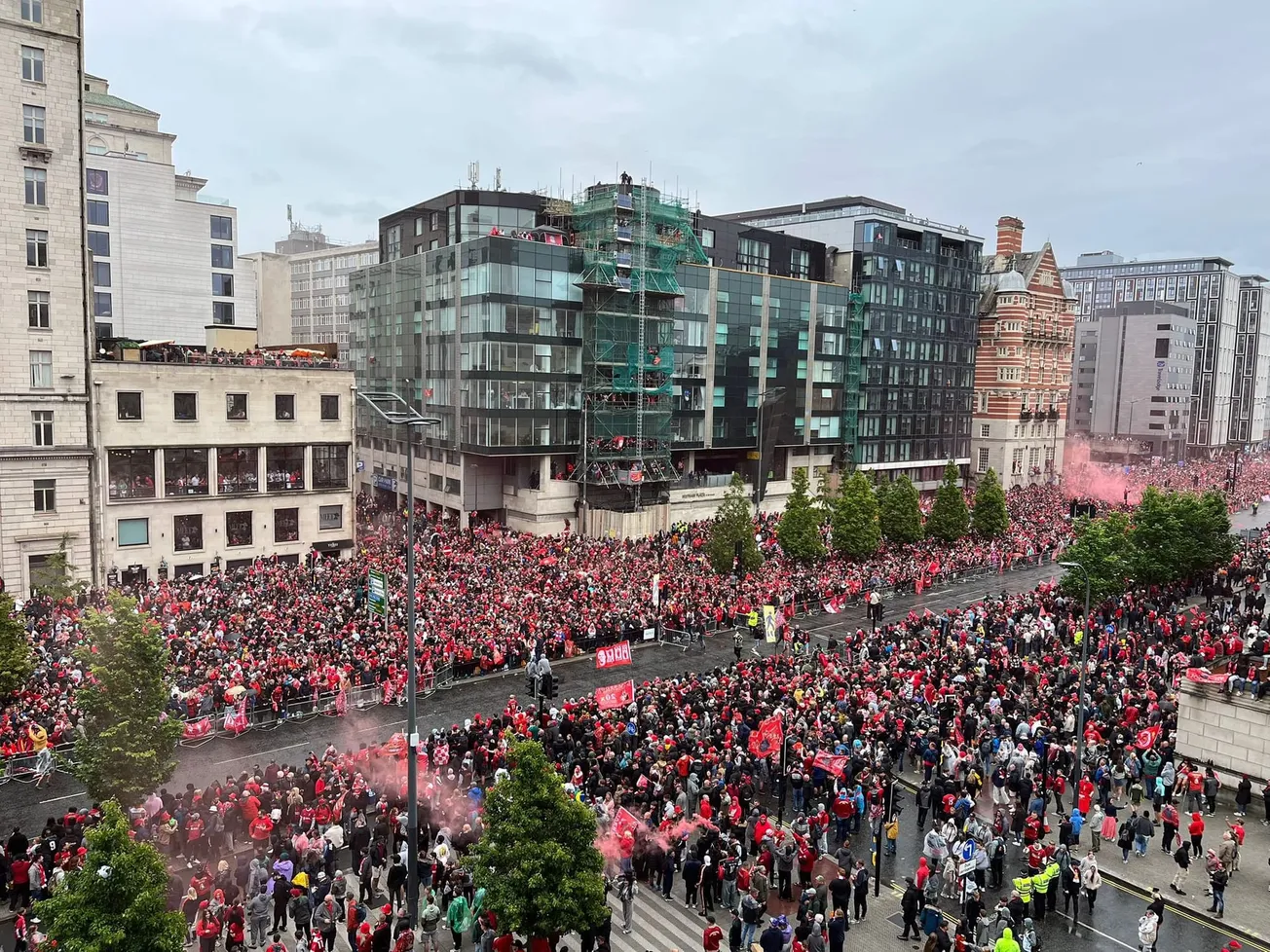
Plus: the government's rebuke to Peak Cluster protesters
Dear readers — a warm welcome to your Monday edition. Laurence here, holding down the fort while Abi takes a little break.
What a weekend it was; on Saturday we published Danny Rigg’s heartfelt, often white-knuckle remembrance of Liverpool-born war photographer Paul Conroy. At a time when conflict is rising around the world, Conroy’s loss is more deeply felt than ever. But Danny also conveyed the real person’s humour, charm, heroism, self-doubt and courage in beautiful fashion.
 Danny Rigg
Then on Sunday, we sent out an appeal to free readers of The Post to become paying members. But due to popular demand, we have now made that article accessible to everyone to read for your own pleasure. If you happen to enjoy hardboiled detective fiction, film noir or just my sometimes unhinged style, click below:
 Laurence Thompson
And onto today: our big story concerns the independent report into the Liverpool FC parade, published Friday and which The Post had a chance to read through over the weekend. But first, your regularly scheduled Post briefing. Read on for disgraced police officers, enraged LIPA School parents, jazz legends, Arctic wildernesses, Wirral protests and much more.
I really hope you find today’s edition informative and entertaining. To keep abreast of all the latest news in Liverpool and Merseyside, why not sign up for our free newsletter? No credit card details required — just click below, enter your email address and you’ll get two completely free editions in your inbox per week. You’ll also be helping support what we do just by signing up and spreading the word.
Briefing
Parents of LIPA children have asked councillors to help keep the primary and secondary schools open. Labour’s leader of Liverpool city council Liam Robinson has said "everyone will be accommodated" with places elsewhere thanks to help from the Department of Education, but parents — such as mother-of-two Dagmara Wojciechowicz – have said they hope local politicians will help save the school, telling the BBC she wanted them "to advocate for us". Other parents have vowed they will "fight until the end" to keep the school open. To read Abi’s behind-the-scenes look into what went wrong at LIPA Schools that we published on Friday, click here.
A former police officer who took selfies at the scene of a teenager’s death has been cleared. Manchester Crown Court heard how Merseyside Police’s Ryan Connolly, 41, from Huyton took three selfies while guarding the place where 16-year-old Daniel Gee Jamieson was killed in Liverpool in 2018, and that 50 photos, including those of vulnerable people detained at hospitals were found in the sent folder of his personal phone. However, the judge ruled that the prosecution's evidence could not prove misconduct. Connolly will return to court today to be sentenced for the possession of extreme pornographic images.
And an update into the Peak Cluster debate that has energised the Wirral and Cheshire. You may remember we recently published an investigation into the two carbon capture and storage (CCS) projects currently underway on Merseyside: HyNet and Peak Cluster.
 Laurence Thompson
We then provided an update focusing on the Peak Cluster project and the confusion between them and local politicians who had claimed to have pushed the consultation deadline back. Well, hundreds gathered outside Leasowe lighthouse on the Wirral yesterday to further protest against the project, which plans to run compressed carbon dioxide in pipes under the peninsula.
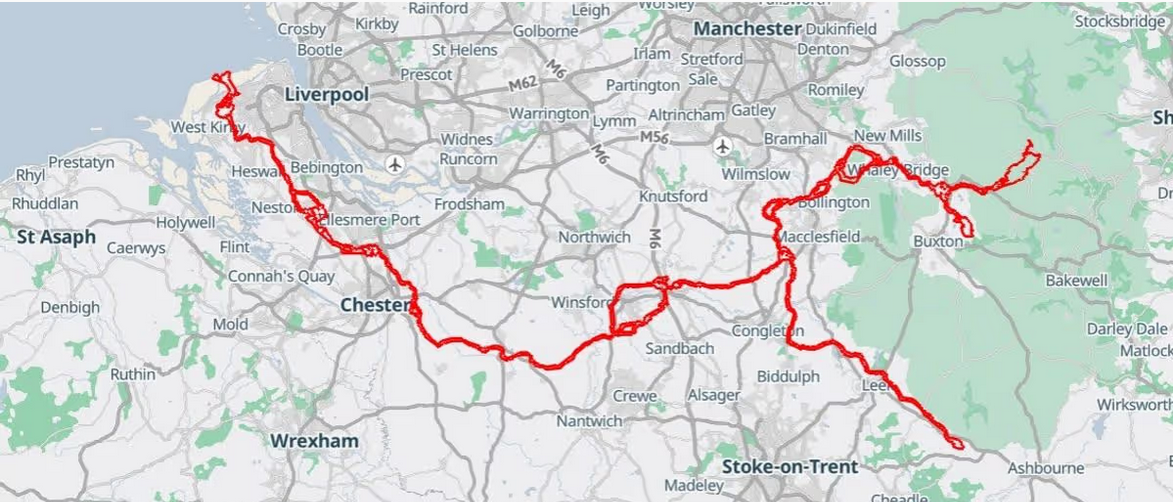
This demonstration followed the government’s response on Saturday to a petition signed by 17,000 residents calling for the £60mn project to be scrapped over concerns for natural landscapes, the local wildlife, and the potential danger to locals. From the protester’s perspective, the reply was not positive: "there are no plans to pause the development of UK Offshore CO2 storage projects", a government statement said.
The UK “does not plan to pause the development of [CCS]," the statement continued, as full independent safety, environmental and legal assessments are already carried out for each storage site, and the UK has a strong regulatory environment to deploy [CCS] safely.”
Jeff Green, leader of the Conservatives on Wirral borough council, responded: “This is an appalling response from a Government which promised, when first elected, to ‘listen’.
One campaigner, Jo Wood, who lives in Moreton near where the four to five storey compression facility could be built, told the Local Democracy Reporting Service: "They have no idea what the Wirral is capable of."
An update on our new sister paper:
We gave ourselves one month to find 500 people in Leeds who wanted to back us to launch a new newspaper. Amazingly, 350 people have signed up, but there's only one week left to find the missing 150! Please share this link with anyone you know with a Leeds or West Yorkshire connection. And if you'd like to support the local journalism revolution sweeping the UK, then pledge your support to help get us there. The minimum pledge is just £7.16.

🚨 And speaking of the Mill Media family, the Birmingham Dispatch is currently hiring. They’re looking for an outstanding writer to cover Birmingham and the West Midlands in depth. If that’s you or someone you know, click here to find out more.
The big story
Top line: The independent report into last year’s Liverpool FC parade has been published. But is it comprehensive?
Context: Last may, what should have been a day of celebration for the red half of the city turned into a nightmare as Paul Doyle drove his car into the crowds on Water Street. Doyle’s actions injured 130 people and he was later jailed for more than 21 years.
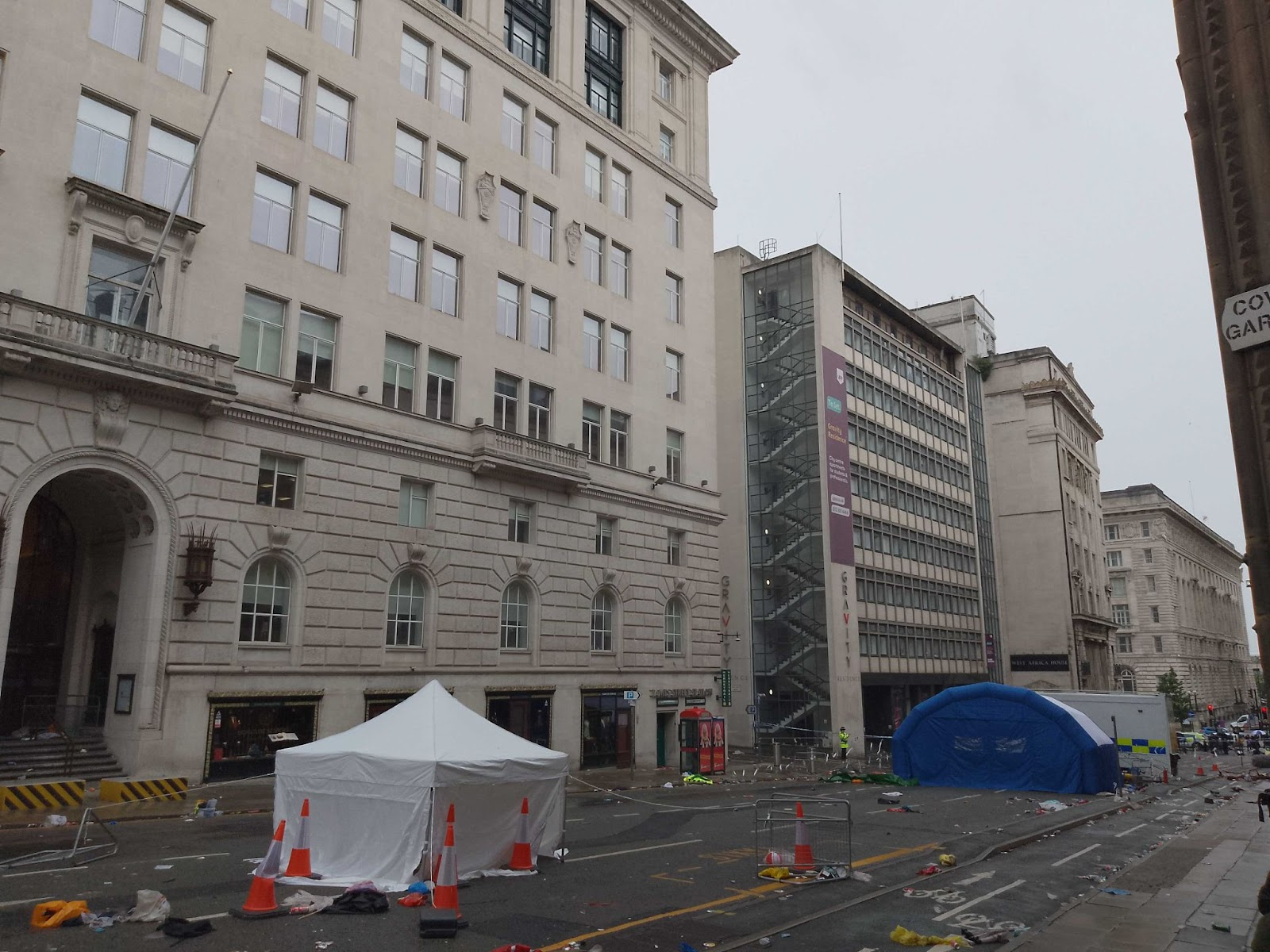
Liverpool city council commissioned an independent review of the planning of the event, which saw an estimated 1.2m people descend on the city to celebrate. The report was led by Eric Stuart QPM BA (Hons), Director of Gentian Events Ltd, and published on Friday.
Stuart’s report, which declares no conflicts of interest early on, makes clear that the Water Street vehicle incident, which occurred after the parade had concluded, sits entirely outside its scope. But what does it include?
What’s in the report:
Stuart says that this was “by far” the largest football parade of its kind held within the city in recent years, and that double the size of the regular population (around 500,000) may have descended on the city that weekend, which would bring “considerable challenges” to any city’s infrastructure, transport and authorities.
The fact the parade was held at the end of a busy bank holiday weekend that also included the BBC Radio 1's event in Sefton Park and the arrival of Cunard's Queen Anne to mark the cruise line's 185th anniversary may have contributed. The report also notes that Liverpool secured their Premier League victory on the 27th of April, which gave members of the public more time to plan their own celebrations and travel arrangements.
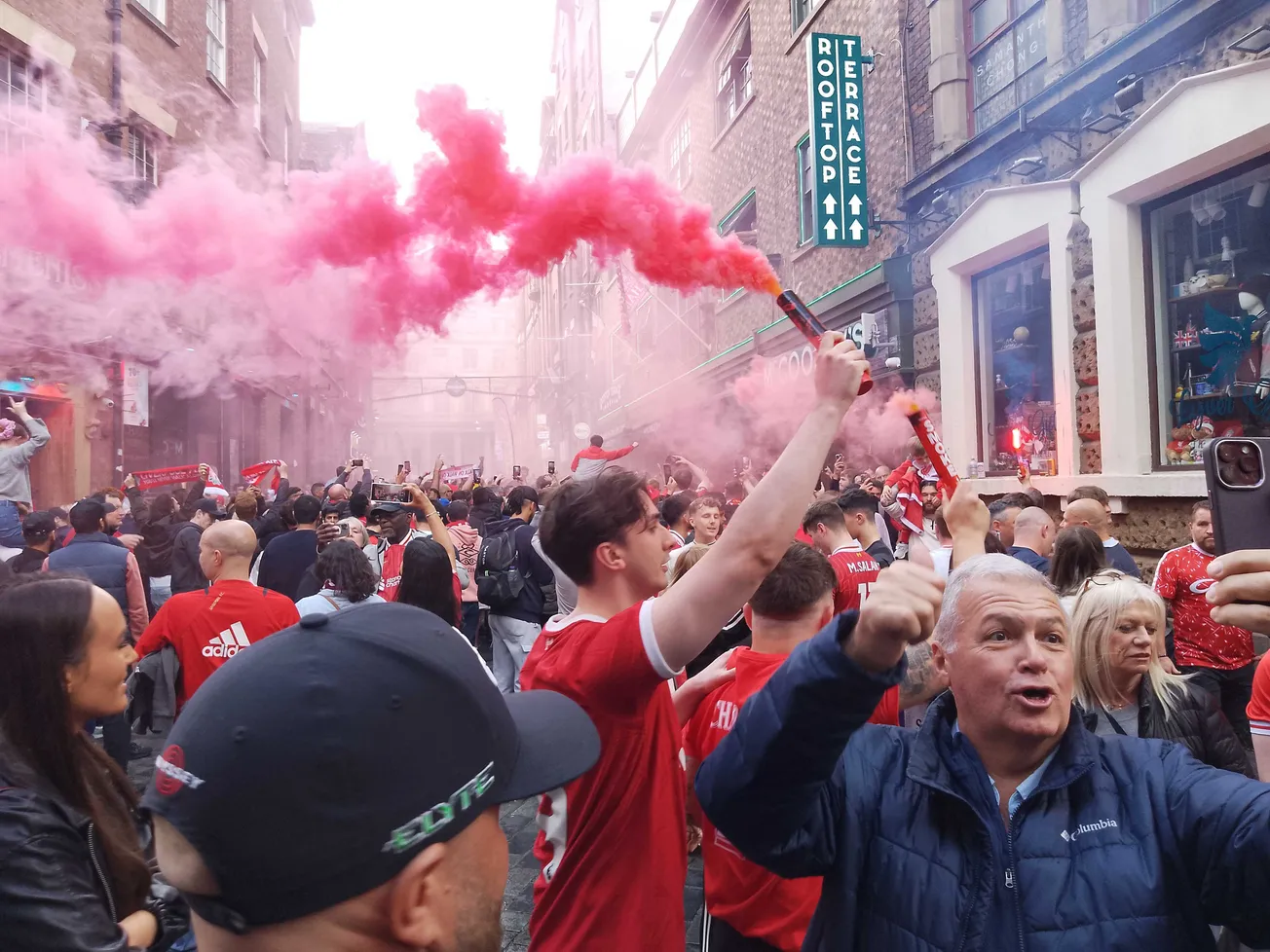
Although the "vast majority of attendees" enjoyed the spectacle "in a spirit of good humour", Stuart found that "high-risk behaviour" was worsened by media and social media irresponsibility. "The desire to create a media moment and share it for 'likes' is boosted by the, sometimes, irresponsible behaviours of social media influencers," he said.
In analysing the council’s 65-page planning doc, Stuart notes that the methodology of assessing crowd density is “old”, “basic” and “unscientific”, but does not suggest that any lack of attention to detail or focus on security was in any way related to the incidents that occurred on the day.
Separate from the 130 people affected by Paul Doyle’s actions, Stuart says that as many as 146 patients were treated for injuries, with 11 taken to the hospital by St John Ambulance. Of those presenting, the highest single cause of injury (22) was minor moderate burns. Stuart recommends the council consider seeking support for a government clampdown on pyrotechnics such as flares — something they have now done — as well as educating attendees about the dangers of climbing lampposts or scaffolding.
What’s not in the report
Although Stuart’s brief included whether traffic and crowd management had been adequate, as noted it does not cover the Water Street incident and therefore provides no further insight as to how Doyle’s car made it through a supposed police cordon. Previously, Merseyside Police have claimed tailgated an ambulance to bypass a road block, but The Post spoke to several witnesses who cast doubt on the police’s statement.
Stuart concludes that “the planning was thorough and complete”, and “the numbers who arrived could not have been anticipated, other than by those with remarkable hindsight.” But the parade, Radio 1’s Big Weekend, and the Queen Anne arrival were events the authorities knew about long in advance.
Furthermore, the many attendees and eyewitnesses who complained at the time that traffic management by the police was poor or nonexistent at several points along the parade route may cast further. This BBC article quoted local business owners and shop workers on Dale Street criticising the ease of access. Stuart’s conclusions run counter to these statements.
Despite the chaos at Lime Street Station station, where people queued for hours just to be admitted to the building and many relied on the kindness of strangers offering car lifts and spare rooms for the night so as to not remain stranded, Stuart says the railway operators “mostly” coped.
Stuart does note a “mass ingress” into the station but chalks this up to the parade finish, heavy rain and a “self-evacuation” after the Water Street incident exacerbated by social media. “That could not have been [...] anticipated by the planning team,” Stuart says.
But eyewitnesses have commented that the shutdown happened much earlier than when the attack was first reported at around 6pm — indeed, in Stuart’s report, Network Rail are quoted as saying a major incident was declared as late as 6:45pm.
The decision to close entrances to the station Network Rail themselves blamed on unprecedented numbers of people trying to access Lime Street Station, and then apologised and promised a full review. But Stuart’s report seemingly describes this as “a period of around 15 minutes when the doors of Skelhorne Street were closed to the public to regain control”.
When noting that the atmosphere at the station was “truly unpleasant” and that “some trains were suggested to have left 1/3 or 1/2 full” while queues ran around the block and desperate commuters banged on walls and windows while children cried, Stuart is keen to exclaim: “This is not a criticism but an observation!”
Bottom line: Although this detailed and thorough report is welcome and its findings useful, many will come away with their most crucial questions unanswered. For instance, the report says that the apparent advantage for authorities of Liverpool wrapping up the title early also gave fans more time to plan their trip, but is it really “hindsight” to say that could also have been factored into the parade planning? Stuart is clearly a diligent investigator with vast experience in events management, but some of what has been concluded and omitted will leave critics wondering if the report suffers from an overreliance on official sources.
Post picks
🎭 International Women’s Day might have passed, but to celebrate strong, powerful female characters, this Friday the Sort Sol Theatre company brings its critically acclaimed play Where Have All Our Women Gone? to the Unity Theatre.
📽️ Speaking of the Unity, this Friday the Liverpool Doc Club will be screening Folktales, an intimate look at teenagers learning to dog sled and survive an Arctic wilderness. If you haven’t read our interview with Doc Club’s founder Bruno Castro about this film and more, click here.
🎷 And this Saturday jazz legend Courtney Pine returns to the Tung Auditorium with his award-winning show, House of Legends, bringing together musicians from Africa, the Caribbean and Europe: expect a mix of merengue, ska, mento and calypso from this sui generis artist.
Recommended read
If you enjoyed our weekend read you might also like to check out his 2023 dispatch from Ukraine for The Post, which is one of our favourite essays we’ve ever published. It’s a first-hand account of how The Beatles helped fix a fantastical ideal of Liverpool in the imaginations of Ukrainians long before we hosted Eurovision on their behalf.
 Danny Rigg
If someone forwarded you this newsletter, click here to sign up to get quality local journalism in your inbox.
If you’d like to sponsor editions of The Post and reach over 35,000 readers, you can get in touch or visit our advertising page below for more information

If you weren't convinced to sign up by our noirish Sunday appeal, you may be a stickler. But let me take another moment to try and convince you. The Post is currently the only paper on Merseyside trying to find that sweet spot between entertainment and informative journalism. We already know you value what we do, or you wouldn't be here - that's why we're offering you access to all our wares for the equivalent of just £1 a week for the first three months. To keep The Post doing what it does best free of annoying ads, take advantage of this offer and click below.
Comments
Latest
What the Liverpool FC parade report doesn't say
The Post has a problem
Paul Conroy: the self-doubt driving Liverpool’s most acclaimed war photographer
‘Set up to fail’: Inside the £1.5m collapse of LIPA School
What the Liverpool FC parade report doesn't say
Plus: the government's rebuke to Peak Cluster protesters