

“We don't know our neighbours.” Inside Liverpool’s HMO boom
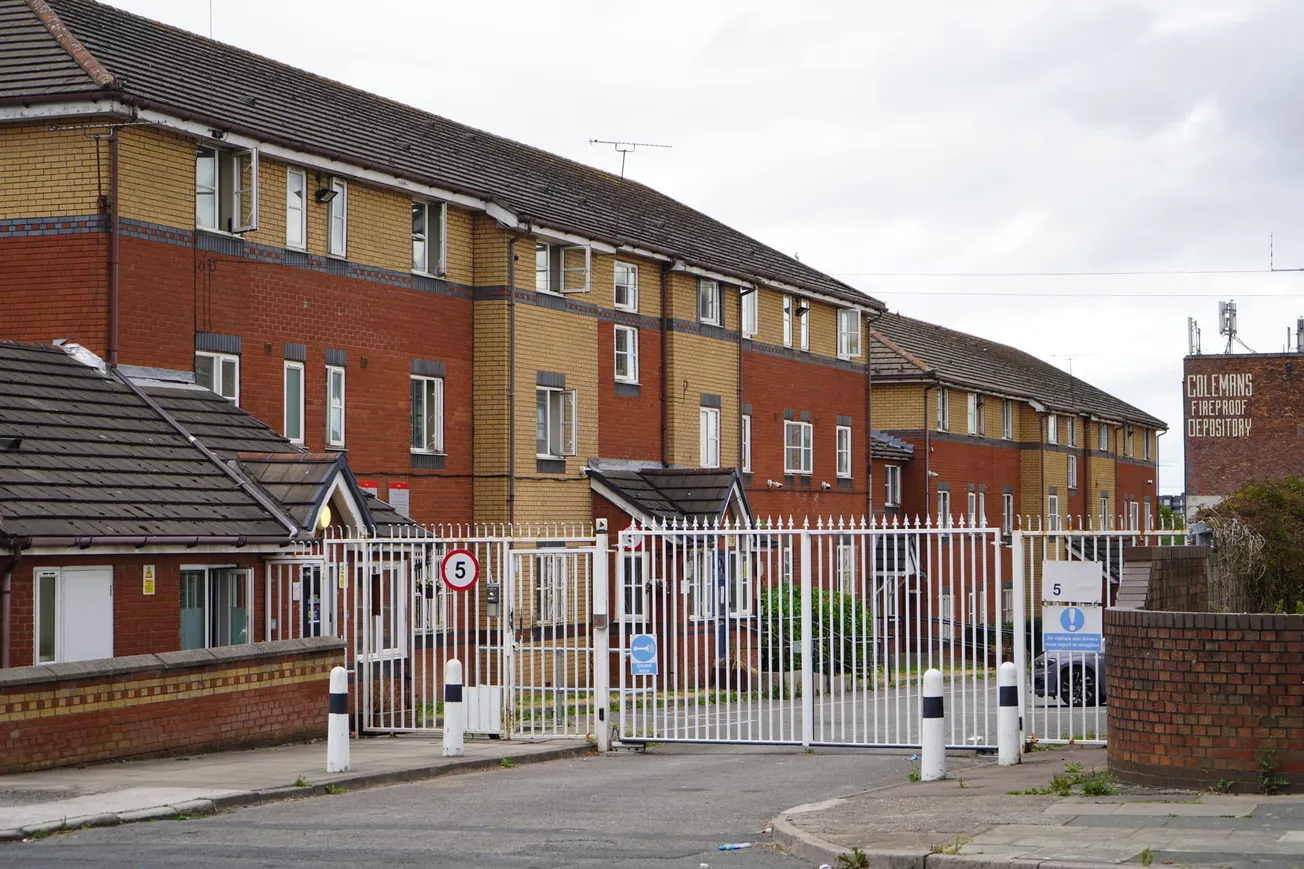
Liverpool’s terraces are being carved up for rooms-to-let. It’s a lucrative market for landlords, but spells doom for neighbours.
Dear readers — Welcome to your midweek edition. Today's story zeroes in on a much-discussed topic around the city lately: HMOs, or houses of multiple occupation. It's also the full début of Ethan, our sterling new reporter, after his exceptional substitute appearance on Monday.
Let us know what you think below. But first, your regular Post briefing.
Your Post briefing
Where should I watch the solar eclipse? Between 90% and 96% of the sun should disappear today. (Not the newspaper, alas, but the celestial body that provides our non-privatised heat, light and energy.) According to the BBC, the two best places in or near Merseyside to observe this phenomenon are Jodrell Bank in Cheshire and our very own Crosby Beach. The sun should begin to slide behind the moon about 6:13pm, and re-emerge about 8:04pm. Just remember: much like our metro mayor's dazzling grin, it's unwise to look at the sun directly. If you can't find certified solar eclipse glasses, use a pinhole projector.
The battle over LFC's "socialist" soul: Amid news that a consortium including Amazon founder Jeff Bezos is looking to buy a large minority stake in Liverpool Football Club, two articles have emerged that piqued The Post's interest. The first, from former Times football editor and self-described "Scouse separatist" Tony Evans, romantically stresses the club's "socialist" principles, and concludes combatively that "Bezos and his mates" should "never doubt a Kopite’s defiance." The second, by the i Paper's Tim Rich, takes a somewhat more realistic look at a football club that was founded by a Conservative Orangeman and often bankrolled by Tory business owners. What do our readers think about this potential clash of club identities?

Hello everyone, Laurence here – fresh from my holiday and ready to once again shoulder the invigorating pressures of local journalism.
Today's story has certainly alleviated some of the impending burden. Not that I didn't have faith in Ethan, but even I'm impressed by how he's taken to our style like a Splash Tour to dockwater. (Observe how skilfully I avoided the counterproductive Duckboat simile. No ring rust here!)
To read Ethan's story in its entirety, you'll need to become a full member, supporting The Post's project of bringing the very best-written and -researched journalism to the city region. It will only cost you £7 a month, and for that you'll have access to all our finest shoeleather reporting, big investigations and cultural commentary.
Freehold Street runs a short, unremarkable stretch of red brick terraces in Fairfield. Midway up the road, there used to live a man called Tony. He moved in after German bombs in World War II flattened his family's old house nearby, and never left.
Laughing, his neighbour Alan recalls returning home from work one evening to find Tony, then well into his seventies, teetering on a ladder to prune the lofty sycamore looming forty feet over his front garden.
Tony died in 2014, and with his family living abroad, the house was quietly sold. Without warning, a fleet of vans arrived to gut the house out. Tony was replaced by six new residents. The sycamore came down not long after.
"Next door, I think they're meant to be young working people, but without being racist or anything, they're not white. They are all of foreign descent,"
Today, there are about five HMOs on Freehold Street. Alan views them with suspicion. "Never had a car broken into until the other week. Just after another HMO across the road opened up,” Alan tells me, as a small cat vaults the snug front room sofas. “Coincidence or not?”
Alan says: “We just don’t know our neighbours."
Liverpool at war
Last month, The Times reported a new record for the city. Liverpool has been named the UK's fastest growing HMO hotspot, with the biggest rise in that type of accommodation of any local authority over the past decade. The number of HMOs in Liverpool has more than tripled since 2015, from 4,850 up to 16,494 last year. Just last November — in the halcyon days of HMO appeasement — Liverpool city council opened bids for a contract for the provision of HMOs for temporary accommodation (usually for homeless and migrant residents) worth £21.5m.
Since then, the leader Liam Robinson has rallied the council into "war" against HMOs.
But the boom kicked off about a decade ago, when landlords scrambled towards high yield, room-by-room letting, after the Conservative government restricted mortgage interest relief and imposed a new stamp duty surcharge. In October 2018, licensing was extended to HMOs below three storeys, bringing Liverpool’s converted terraces into the count for the first time.
In 2021, Liverpool city council started trying to tackle the problem, imposing a legal tool named Article 4 in many inner city wards that required landlords converting properties from households to HMOs to secure planning permission first. Tony’s house on Freehold Street and many others slid in through the boom before.
Councillor Barry Kushner said the policy was going to "help protect the balance of Liverpool's housing offer." In the five years since, Liverpool has consistently had the highest estimated proportion of HMOs of any English metropolitan borough.
For Katie Burgess, the owner of four HMOs and former Tory candidate for Liverpool city mayor, Article 4 hasn’t made a difference. The properties that meet regulations are passed without problem, and only in very specific areas will properties meet difficulty – she says that Blundellsands operates a flat rejection, though this is not an official policy. “It’s done nothing except fill the council’s coffers with planning application money”, says Burgess.
After the latest figures were published, the cabinet member for housing, councillor Hetty Wood, was quick to stress that these blockbuster stats need more context. For all the furore, the HMO label obscures a stretched category.
The Housing Act 2004 defines an HMO as a property let to three or more unrelated people forming two or more households. In the years since, that definition has collapsed the textured language of bedsits and digs and student houses and emergency accommodation (a sub-category that has become associated with asylum seekers) into a single, loaded acronym.
As a term, "HMO" is burdened with despair, conjuring transient tenants and carved-up terraces. But, it’s a convenient answer to a city with more people to house than houses for them. In fact, it’s the only one Liverpool really seems to have. Somewhere between the landlord chasing returns, the tenant looking for a room, and the neighbour trying to keep hold of their street, something real has been lost.
Liverpool deserves great journalism. You can help make it happen.
You're halfway there, the rest of the story is behind this paywall. Join the Post for full access to local news that matters, just £7/month.
SubscribeAlready have an account? Sign In
Latest
Southport traded an Art Deco treasure for a glittering new events venue. Do the sums add up?
Can Formby’s red squirrels be saved?
Luxury student housing’s well and good — but I miss when Liverpool was bedsit land
Sefton aviary dispute continues to ruffle feathers
“We don't know our neighbours.” Inside Liverpool’s HMO boom
Liverpool’s terraces are being carved up for rooms-to-let. It’s a lucrative market for landlords, but spells doom for neighbours.