

We campaigned, they listened. So why is the botanical garden still in trouble?

Trials and tribulations in Liverpool’s secret garden
Dear readers: The last time we checked in with Liverpool’s two-centuries-old botanical collection, the future looked bright! This important collection, which in its heyday was considered one of the greatest in the world, went through a period of trouble. But Liverpool Council was eventually awarded a sizeable grant to give the plants the home they deserved — so why is this valuable collection doing so poorly again?
Stop me if you’ve heard this one before — and if you’ve been reading us for a few years, you probably have. First in 2023, when writer Jack Walton sounded the alarm about the state of the collection, then again when three gardeners were redeployed to street cleaning duties and in 2024, when we reassured readers that our campaign had helped save the collection (and that the expert gardeners had been granted permission to stay in their role).
But clearly, the path to preserving a historic botanic collection is a long and twisting one. We sent former Post staff writer Abi Whistance to check up on the plants — and she was shocked by what she discovered.
Your Post briefing
A “profound apology” has been issued by the government to parents whose stillborn babies were put into mass graves without their knowledge. Back in March last year, Abi spoke to Wirral woman Gina Jacobs, whose stillborn son was taken from her in 1969. She was told by nurses he would be buried later that day, alongside a “kind” woman who had died recently. It would be many years later that she found out the truth: her son Robert was buried in a 10-foot mass grave at Landican Cemetery with over 60 other stillborn babies. Speaking in the House of Commons on Monday, Health Secretary Yvette Cooper apologised for the "unthinkable pain" caused by the historic practice, which continued until the 1980s.
Fresh plans have been lodged for Martins Bank building after works to convert the historic Water Street building were paused. A number of amendments have been proposed on plans for the long-vacant building, which held the bulk of the Bank of England’s gold reserves during the Second World War. Planning permission was granted in 2022 to turn the building back into office space. The scheme was a joint venture between developers Karrev and Kinrise, but stalled after the firms parted in 2024. The Martins Bank building project was unveiled as one of the first to benefit from investment from a £2bn Liverpool City Region fund in May.
CCTV footage has been released four years after the murder of Sam Rimmer in Dingle. Police released the images Tuesday, which show four figures on bikes near a playground on Cockburn Street, Dingle, just over an hour before Sam, 22, was shot dead on nearby Lavrock Bank. Two electric bikes drove into the cul-de-sac and fired a number of shots towards him and other men. Ten people have been arrested since the murder in August 2022, but no one has been charged.
“It’s not like this is Noah’s ark,” one source outside Croxteth Hall tells me, “there aren’t two of everything”. I’ve just returned from another visit to Croxteth Country Park, and I’m feeling gloomy. This isn’t just a standard-issue bad mood following being duct-taped into a beekeeper’s suit several sizes too large (and more on this to come). It’s about my concern for the plants there.
Founded in the early 1800s in Mount Pleasant, Liverpool’s botanical collection in Croxteth Country Park was once considered one of the world’s leading collections – on a par with Kew in London – before declining over the following decades and ending up in the Victorian walled garden at Croxteth Hall in 2007. If all this sounds like familiar territory, you’re absolutely right. My former colleague Jack Walton covered this story back in 2023, when he discovered claims that successive councils had hidden the collection away, sacked staff, dumped valuable plants into a skip and hired security guards to prevent workers sneaking plants away to safety in the night. A public campaign was launched to save it. Eventually, a generous grant was awarded to begin the work of giving the plants a proper home.
Now, just three years later, the collection can be found in an even sorrier state. I pay a visit on a sunny morning, accompanying local beekeeper Andy Hubbard as he enthusiastically teaches me all about his growing collection of insects.
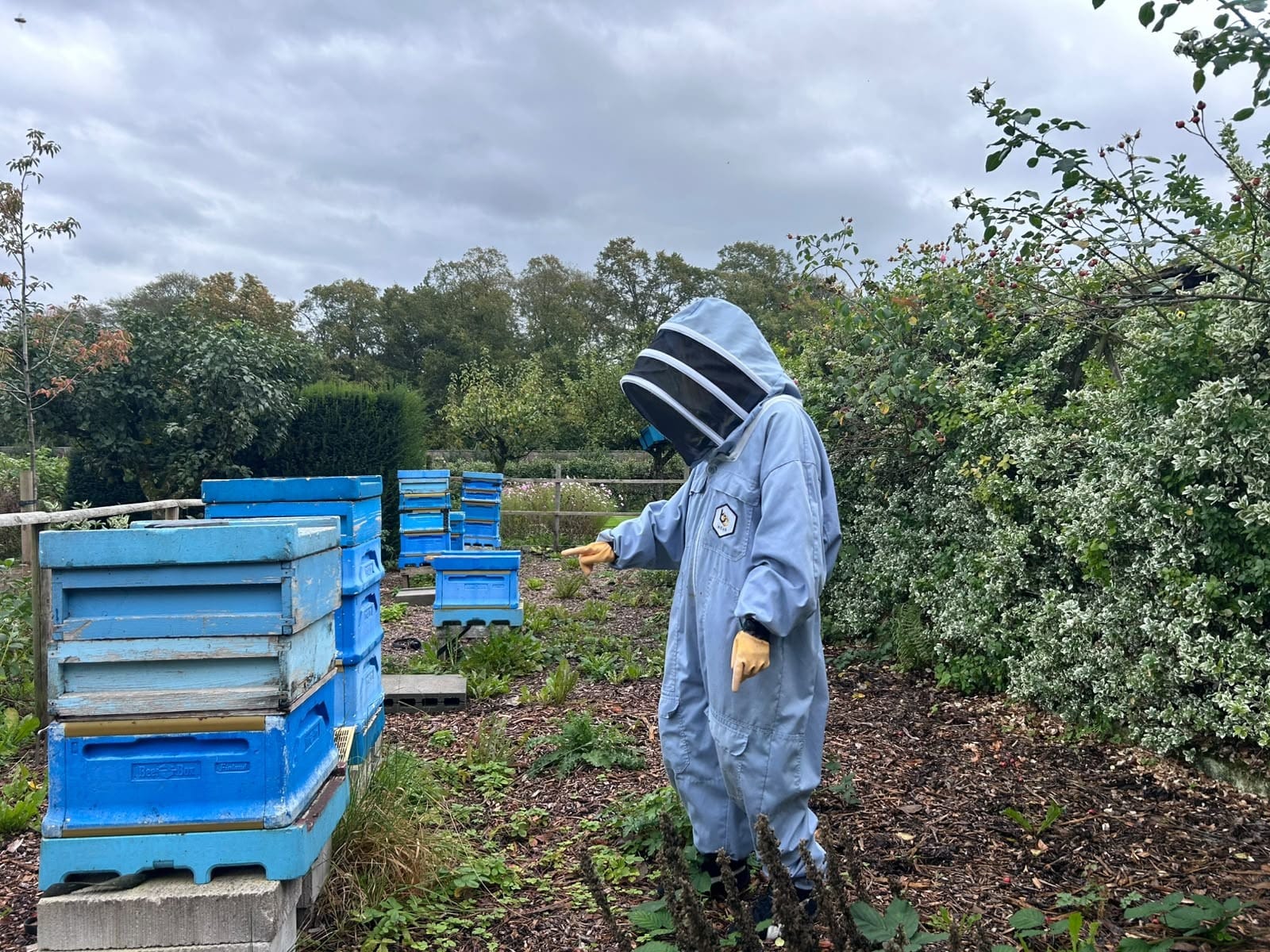
As we walk towards the beehives and chat about his honey for sale, I take the opportunity to have a look through the windows of the rows of greenhouses in the walled garden. Nearly all of them look on the cusp of collapse; wooden panels rotting away and the glass meant to keep the heat in shattered. Through one of the broken windows I see rows of dead succulents, all brown and ochre instead of lush green. In a rubbish pile outside is the once-magnificent Jade Vine, brought to the collection a decade ago after near extinction in the Philippines. I trip over its withered body – one which is unrecognisable as the stunning turquoise plant found (albeit rarely – it’s endangered) in the wild.
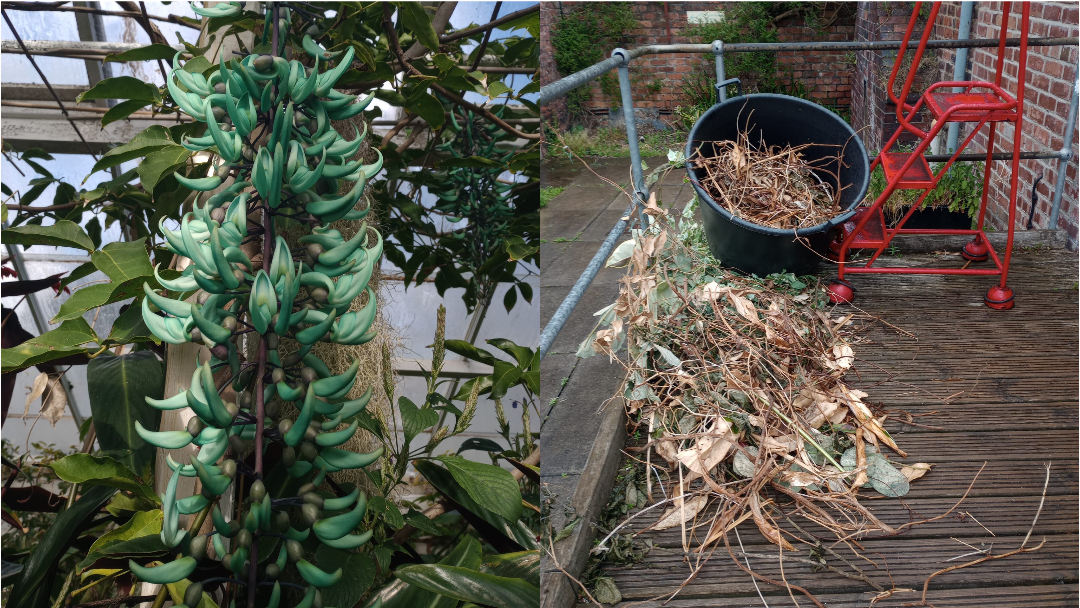
The state of both the greenhouses and the plants is a shock to me. In 2024, it was announced that the collection had secured £245,000 of funding to create a permanent, suitable home. So what’s gone wrong?
Liverpool deserves great journalism. You can help make it happen.
You're halfway there, the rest of the story is behind this paywall. Join the Post for full access to local news that matters, just £7/month.
SubscribeAlready have an account? Sign In
Latest
We campaigned, they listened. So why is the botanical garden still in trouble?
Flights of Fancy: the debunked Liverpool Airport migrant conspiracy
Are we finally getting the 'new Baltic Triangle'?
Send us your tips
We campaigned, they listened. So why is the botanical garden still in trouble?
Trials and tribulations in Liverpool’s secret garden