

The carnival queens of Toxteth
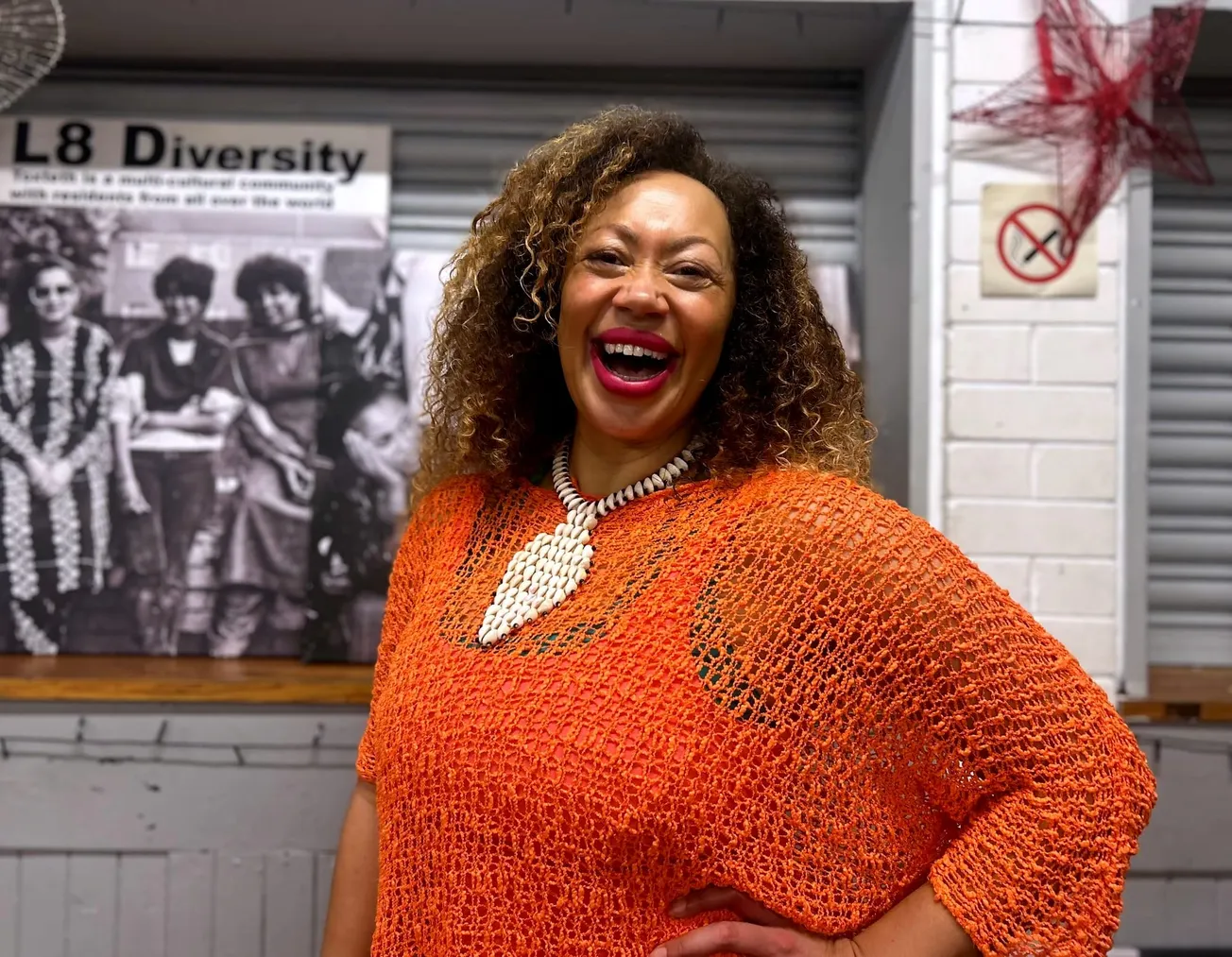
How Ithalia Johnson is healing the mind, body and soul of black women in Liverpool
Hello! We hope you had a lovely Christmas and are enjoying this strange in-between period where none of us quite know what day it is. We're a few sleeps off the New Year, and The Post is on a mission before the end of 2025: to hit 2000 paid members. By the look of our tracker on our homepage, we're pretty close to achieving that goal. So why not help push us over the line?
It costs just £1 a week for the first three months and you’ll get access to all our award-winning investigations, as well as our cultural reads and opinion pieces written by some of Merseyside’s top journalists. It's the best way to enter 2026, so press that button below!
Ithalia Johnson remembers the moment she became fascinated with dance. It was 1984; Johnson was around six years old and standing on the side-lines of Merseyside Caribbean Carnival, her little hand locked in with her father’s. Huge floats passed by, painted in vibrant hues, followed by carnival queens, dressed in flamboyant headdresses and robes. Johnson felt something inside her shift. “I didn’t realise at that point, but it was the first time I’d seen something so public celebrating my culture, my roots,” she tells me.
Over forty years on, Ithalia Johnson is now one of the city’s most recognisable figures in dance. She’s toured all over the world, running and performing in shows celebrating the African diaspora, before permanently settling in Liverpool in the mid-2000s. Now, she hosts weekly dance sessions in the African Caribbean Centre in Toxteth, free to attend and open to black women from all walks of life.
It was Johnson’s father that provided the first push to pursue her passion. He had come to Liverpool as part of the Windrush generation, travelling as a young man from Saint Lucia to work as a carpenter for the council. That's when he met her mother — a woman of Irish descent, born to Liverpudlian parents. Dance was always a big part of their home; the turntable was perpetually on, with music filling the living room every weekend. “I think it's just part of him being brought up in Saint Lucia,” Johnson says of her father, “it was always part of his life — moving, dancing, singing”.
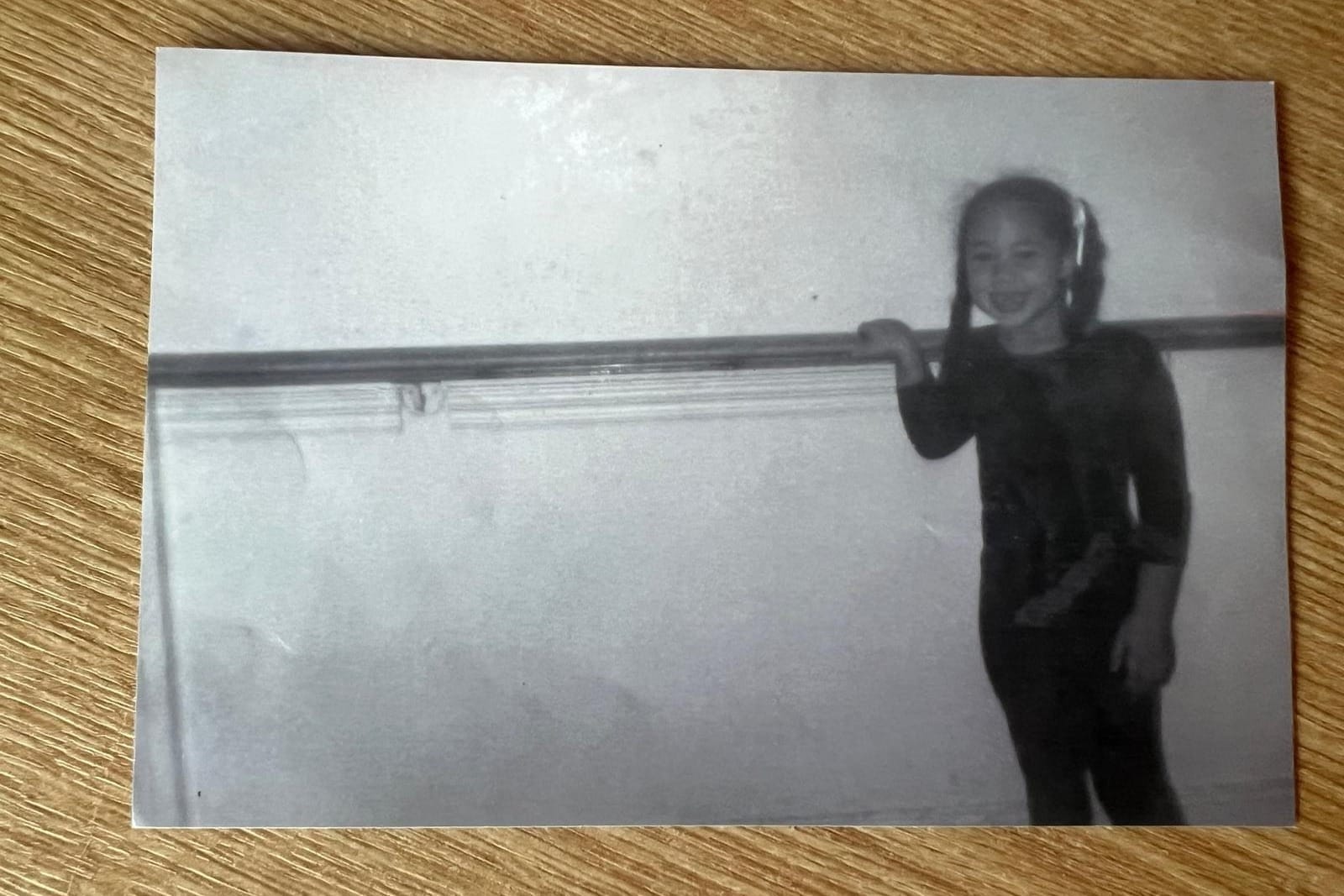
He began taking the young Johnson to dance lessons in Wavertree shortly after she attended her first Merseyside carnival, her hair bundled into pigtails and tied with ribbons. “My dad took me every Saturday, and he told my mum it was his favourite day of the week,” she remembers. For two years, she’d excitedly put on her leotard and pumps to do a full morning of ballet, tap and drama with her teacher, Miss Maxine. That was until her father became unwell, when Johnson was eight years old.
He suffered a brain aneurysm after an injury at work. “Everything changed, and that just put a pause on dancing for me,” she recalls. The doctors told her mum he might not survive, but after six months in hospital he was sent home. While he lived through his injury, life became more difficult. He was unable to work his old carpentry job, or take Johnson to those dance lessons. Instead, she hunkered down and focused on her schoolwork, passing her exams and enrolling at Salford University to study finance.
And so the years passed. Johnson completed her degree, moved back home to Old Swan and began working as a PR and finance officer for the Liverpool Lighthouse. She thought about dance often; in her early twenties she’d go clubbing and join in with the break dancers and lockers of Concert Square and Wood Street, one of the few opportunities she had left to engage in her passion.
By the time she was 28, however, Johnson says she realised she could not avoid her dream forever. She began calling contemporary dance schools and conservatoires across the country, trying to enrol. “It was funny, because I didn’t have formal training so I didn’t have any preconceived notions or snootiness,” she says, noting that many schools she called were surprised that a 28-year-old woman with a background in finance wanted to go to college. Eventually, she got lucky: Liverpool City College saw something special in her, and said they would make space.
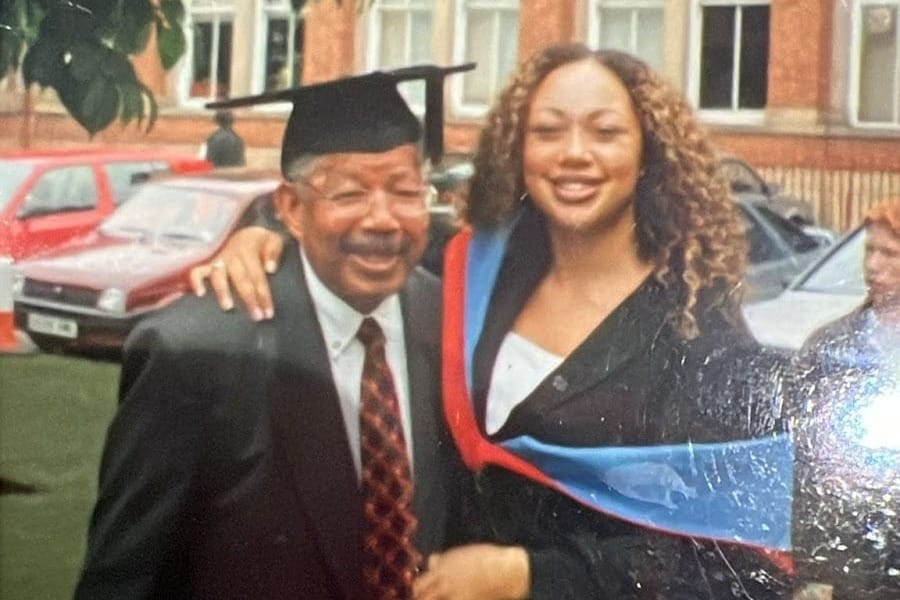
Over the next two years she thrived, practicing everything from street dance to tap and jazz. By the end of her course, she knew she couldn’t let this go again. And luckily enough for her, Liverpool had a visitor. The director of the Jose Limon Foundation (a world renowned American dance academy, named after an esteemed Mexican choreographer) was visiting Merseyside to meet with an event organiser from Liverpool Hope University.
The organiser wasn’t the only person he met. Johnson crossed paths with him too, participating in a dance class he oversaw in 2007. To her surprise he encouraged her to apply for their contemporary dance programme in New York. Just a few weeks after submitting her application, she got a call. “I got a place, and it was a massive shock to the system,” she says. It was exciting and daunting — this would be her first time moving far away from home, and from her mother.
Johnson had a few short days after her long-haul flight to get set up in a small Manhattan apartment. While she was sharing a cramped one-bed studio with another girl, she says these early days in America were some of “the most amazing in my life”. “It was incredible and such a shock, because New York is the most amazing place and the dirtiest place you’ve ever been to,” she laughs.
The Post is best in your inbox. Never miss an edition and hear from us as soon as we publish. Just sign up for free by clicking below.
For a year, she rigorously studied the Jose Limon dance technique along with other students from all around the world. She learnt to use her body to express the complexities of human life — reaching, pulling and grasping in large gestures to encapsulate the spirit of Limon. She also met, for the first time, a collection of dancers from the African diaspora.
One of these dancers, Cynthia Oliver, immediately made a mark on her. A Bronx-born visual artist, Oliver became an inspiration to Johnson and invited her to audition for her dance troupe. Johnson remembers that day well: she was unable to get time off from her classes at Jose Limon, so instead snuck out during a lunch break. She jogged 20 minutes across New York to make the audition in time, and burst into the audition room like a “Tazmanian devil”. “I was just whirling around, singing and dancing and then I was like ‘Sorry I have to go now’,” she laughs.
Despite a chaotic first impression, she was invited to join Oliver’s troupe a few weeks later. At this point, her time as Jose Limon had come to an end, and she’d moved back to Liverpool to work as a dance lecturer. As a result, many of the rehearsals for Oliver’s troupe were over Skype calls, with members using the Christmas holidays and summer break to fly back to America to do sessions in person.
The troupe created a show — called Rigidigidim De Bamba De — which centred around the experience of black women in the UK and America. Much of this show was inspired by Notting Hill Carnival, which Oliver had attended a few years prior. It brought together dance, acting and literature, with each of the women sharing a personal monologue. “I actually spoke a lot about my Dad,” Johnson says, “but [the show] was all about that challenge of not really fitting in a box when you’re from the African diaspora.”
In 2009, Rigidigidim De Bamba De began touring across the US — travelling from Philadelphia and New York to Seattle and Maine, racking up positive reviews in newspapers like the Washington Post and Time Out. “It was the first time I'd actually spent that amount of time with other black women that looked like me and understood my experience,” she tells me. “So often we’re othered and ‘ism-ed,” she says, adding it was a “relief” to be in such an inclusive space, free from prejudice.
It was this that inspired her to start her own project in Liverpool — named Movema, the Saint Lucian patois term for 'to move'. Formed in 2009 with three other women, Movema Dance Company specialises in world dance, and runs community programmes and lessons across Merseyside. “I wanted to use dance as a way of telling a story, and celebrating British culture and seeing our differences as a good thing,” Johnson says.
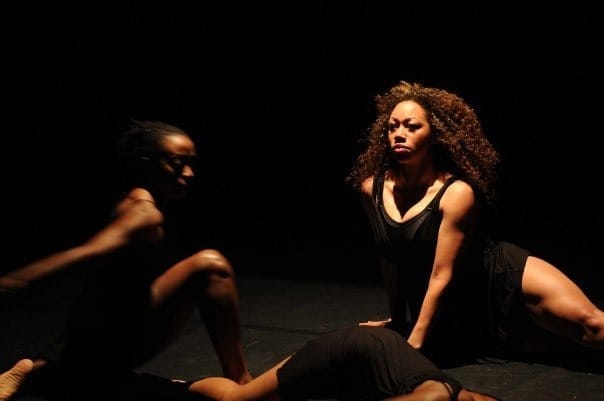
While Johnson left Movema to pursue other projects a few years ago, she’s continued to build on her work uplifting and empowering black women. In 2023, she began Dancing Queens: a dance group in the African Caribbean Centre in Toxteth that is free to attend.
On a dark Thursday evening, I head to one of Dancing Queens’ final sessions of 2025. At the door, I’m immediately greeted by a woman named Kerry Nugent — she’s one of the founders of the Black Women’s Health Forum, and has provided funding to Johnson’s Dancing Queens as part of an initiative to improve health outcomes for black women in Liverpool.
Many of the statistics for black women’s health in the UK are poor, she explains. Black women are far less likely to attend cervical and breast screenings, with only around 30% of black women going to cervical screenings and 49% for breast exams. As a result, the mortality rate for breast and cervical cancer is higher for black women. Additionally, women from black backgrounds are disproportionately affected by cuts to benefits, losing more of their living standards than many other groups.
That’s why Kerry has been keen to work with Johnson to deliver Dancing Queens. Through exercising and engaging in social dance regularly, women are also able to speak openly about their health, encourage each other to attend screenings and support one another.
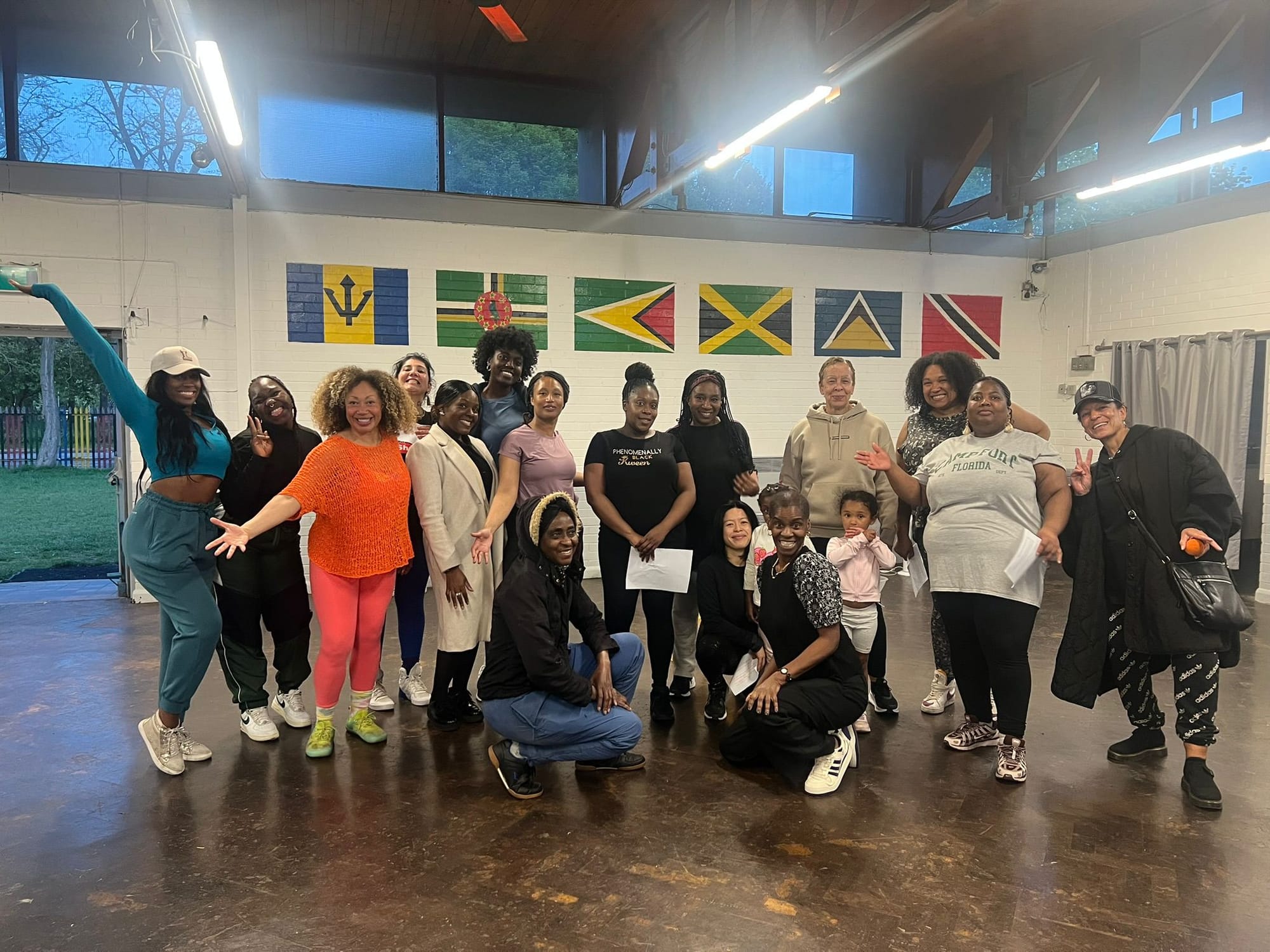
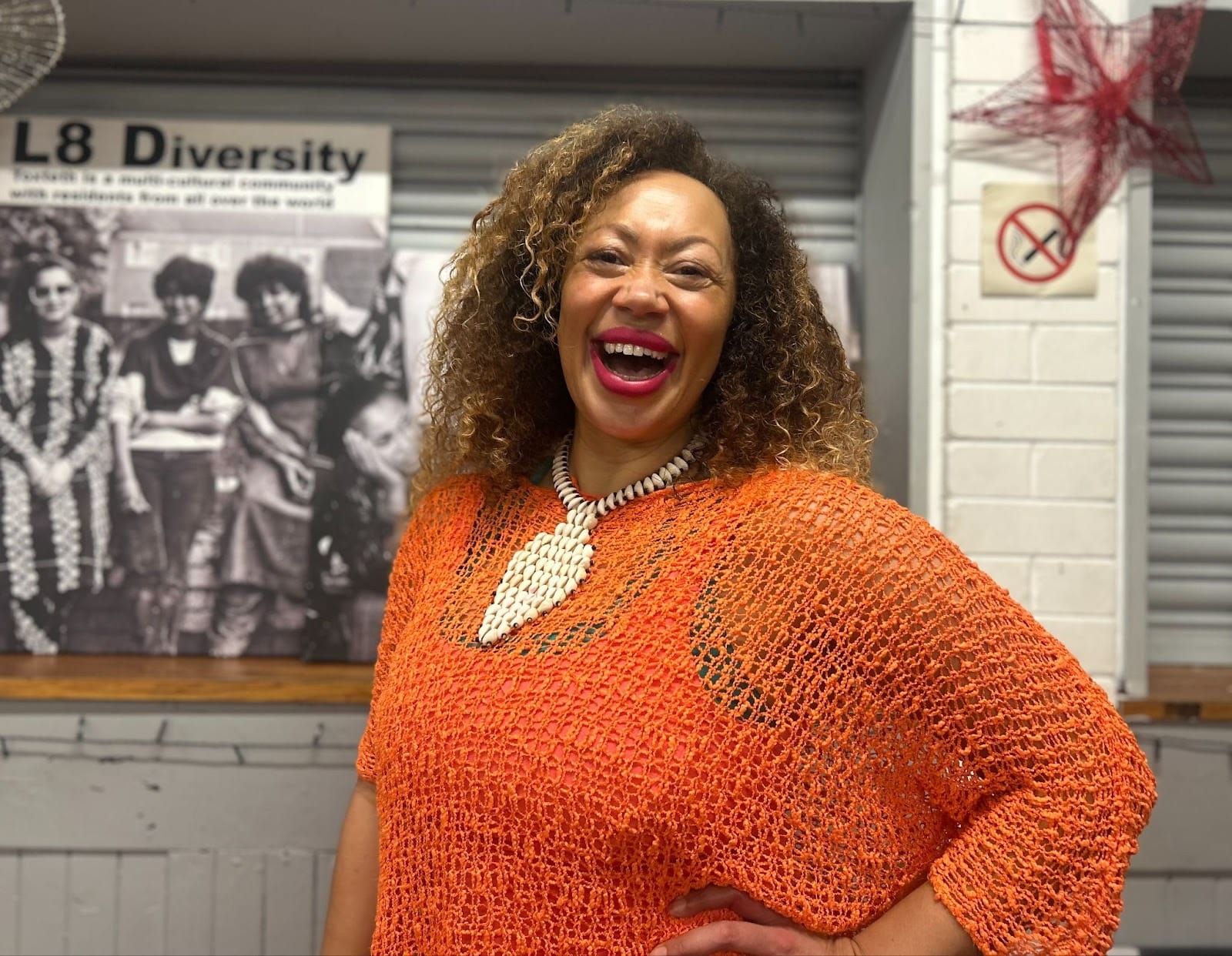
As a steady stream of women gather in the Caribbean Centre’s main hall just before 7pm, I watch as hugs and smiles are exchanged. The group erupts in a cheer when Johnson— dressed in neon pink and orange with a white beaded necklace — bursts through the door.
Within minutes the steady drum of Afrobeat is ringing loud in the hall. Johnson’s voice booms confidently over the music, as she jumps into a series of dance routines they’ve been practicing for weeks.
I watch in awe as women and girls — from as young as seven years old to nearly 70 — energetically follow her steps, each bringing their own style to the dance. Kerrie points to each of the women dancing, and shares some of their stories with me. One is a cancer survivor, who – despite her serious illness now limiting her movements — still comes to class nearly every week. Another is a refugee, and has been struggling with homelessness since she moved to the UK. The dance class offers her a chance to be around other women, and shelter from the cold. The group have also fundraised for a few months’ worth of rent so she can have a bed to sleep in, and are working to help her access resources until her asylum application is approved.
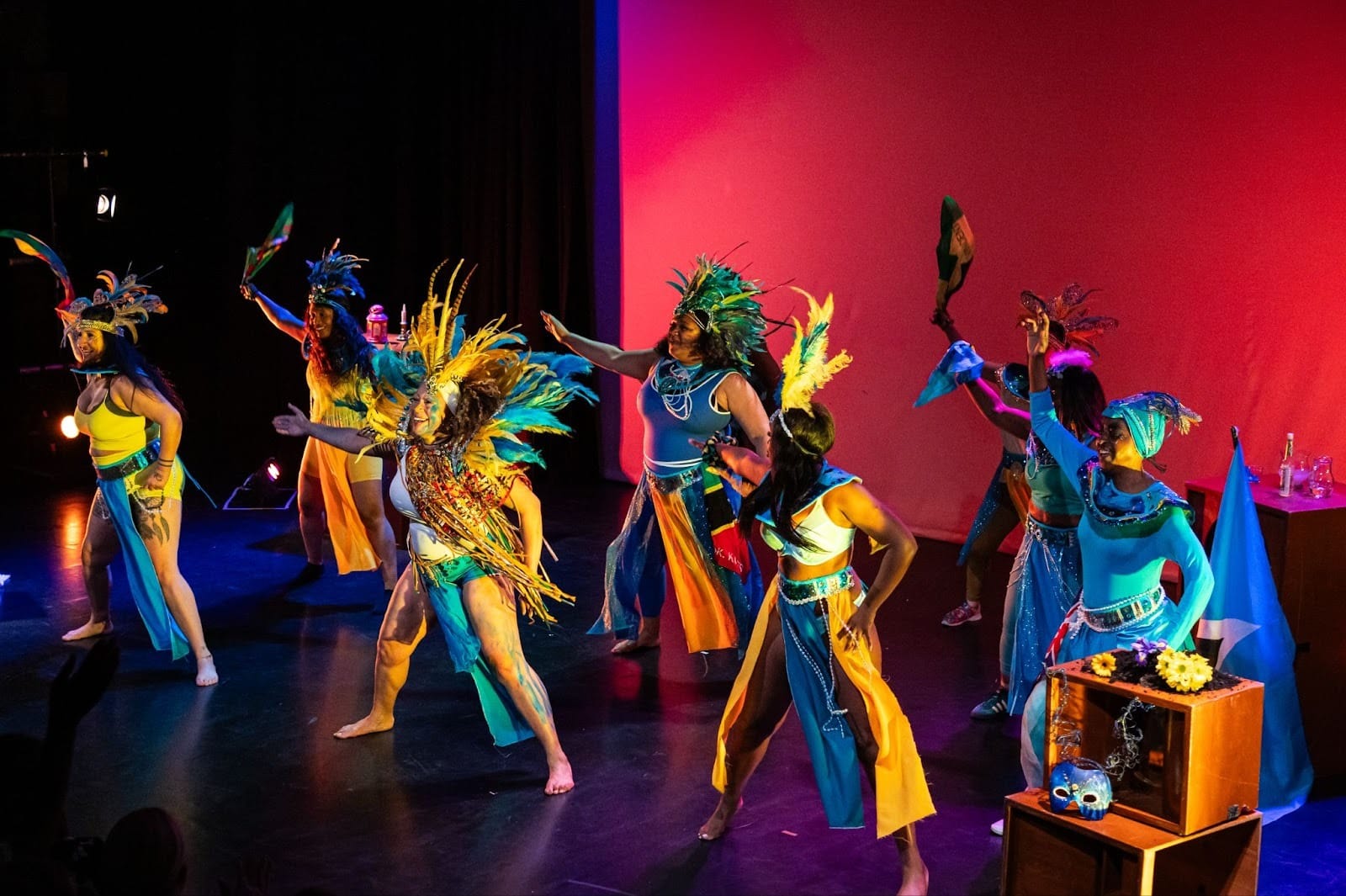
“What I really love [about Dancing Queens] is that there's this energy around lifting each other up and supporting others,” Johnson tells me after the class. “It's quite transformational — because you don't know what's happening in someone's life. They could be going through trauma, they could be going through quite serious health conditions, and I know that this has really been a place where they know they always feel welcome.”
Johnson has a busy 2026 ahead. After taking part last year in LEAP Dance Festival in Liverpool, she’s in the process of organising another live performance at Africa Oye Festival, with a selection of the women who attend her class each week. “This is a group about helping people feel good within themselves and know that they are fabulous, and it’s so exciting that we get to share some of that with the world,” she says.
As the class comes to an end, a circle forms. The Dancing Queens mantra is said in unison: “I rise, you rise, we rise”. “It’s about facing yourself, then others, then together, we can rise up against whatever it is,” Johnson says.
Find out more about the Dancing Queens here.
The Post is on a mission before the end of 2025: hit 2000 paid members. By the look of our tracker on our homepage, we are tantalisingly close to achieving that goal. So why not help push us over the line?
It costs just £1 a week for the first three months and you’ll get access to all our award-winning investigations, as well as our cultural reads and opinion pieces written by some of Merseyside’s top journalists.
Comments
Latest
Eat the Rich made me ask: am I a class traitor?
The baby trade: Why Liverpool took thousands of children from their mothers
The best (and worst) Italians in Liverpool
“A fucking feudal baron”: The long legacy of Liverpool’s most feared NHS boss
The carnival queens of Toxteth
How Ithalia Johnson is healing the mind, body and soul of black women in Liverpool