


Merseyside’s food scene has weathered prejudice. That hasn’t stopped Paul Askew
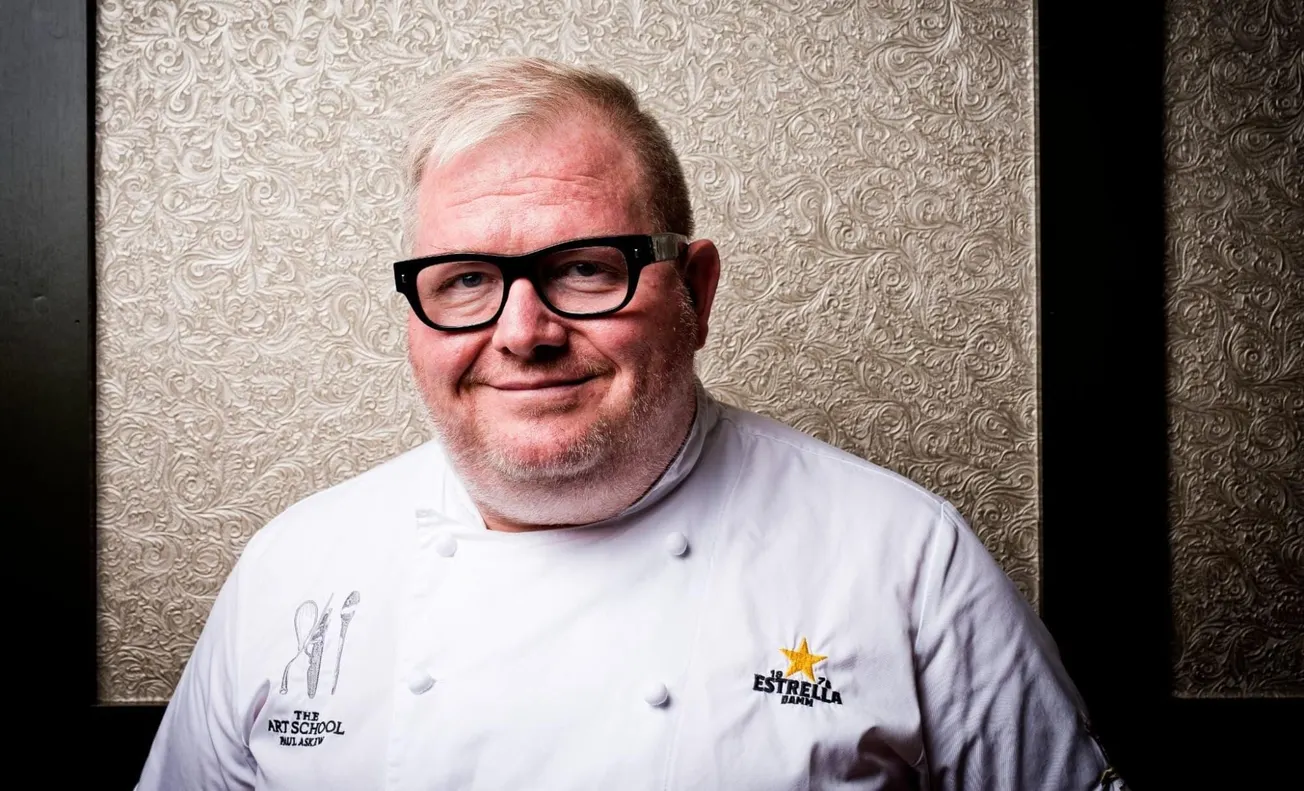
The Art School’s chef patron on plating dinner with MI5 watching and ‘food intelligence’
Good morning! Forty four years — that’s how long Paul Askew — most famous as chef patron and owner of restaurant The Art School — has spent in gastronomy. And what a near-half-century it’s been: from delivering innovative takes on British classics (a savoury version of carrot cake, say) to hosting the Queen for dinner at the Philharmonic Hall restaurant in the nineties. Writer Melissa Blease met Askew and visited his Georgian Quarter brasserie to reflect on how Liverpool’s dining scene had changed since the ‘70s she documented so well in her last essay for the Post.
But before that, your news briefing.
Your Post Briefing
In his first parliamentary speech as prime minister yesterday, Andy Burnham referenced the controversial 2011 discovery that Margaret Thatcher was encouraged by chancellor Lord Geoffrey Howe to pull public funds from Liverpool and leave the city to economic decay.
Burnham said, “For a long time, the country did not have ambitions for its regions outside of London — it even talked of the managed decline of Liverpool,” and went on to make the quite hazy promise that regions should be able to “set new ambitions for themselves.”
In last Thursday’s briefing, we touched on one of those new powers for the city mayor. Next week, we’ll be going deeper – digging into if, and what, Liverpool stands to gain from Burnham taking the reins. Stay tuned.
Liverpool City Council launched a consultation on library opening hours. The proposals would increase Saturday opening hours, but reduce weekday evening opening hours for the city’s 14 libraries. Central Library would be permanently shut on Sundays – entrenching the temporary measure introduced since the pandemic.
Labour councillor Harry Doyle insisted that this consultation is the “total opposite” of “scaling back or cutting the library offer.” Indeed, the plans would increase the provision by 3.5 weekly hours, spread across 14 buildings – just over two minutes per library, per day.
He says the council are attempting to equalise provision across the city. Libraries in Allerton, Childwall, and Norris Green open for 38 hours a week, while those in Lee Valley and Sefton Park are open for ten fewer hours. The last consultation on library opening times closed just last September – it’s not clear what has changed since. Regardless, make your voice known and back your local library here.
534-home Bromborough Wharf scheme moves forward. Last week, plans were submitted for a massive new development on the former Lubrizol chemical works in Bromborough. The developer plans show 40% of the units will be affordable homes, and more will be “extra-care” for older residents.
Merseyside’s food scene has weathered prejudice. That hasn’t stopped Paul Askew
The Art School’s chef patron on plating dinner with MI5 watching and ‘food intelligence’
It’s a beautiful August day, and the sandstone columns at the front of the former Royal School for the Blind – a tribute to human endeavour with literal visionary purpose – are shimmering in the late morning sunshine. For almost a year now, the building has been home to Barnacle: an opulent modern brasserie that’s fast become an established cornerstone of Liverpool’s Georgian Quarter ‘scene.’
The history of 24 Hardman Street, however, has not been entirely lost in the segue. Edward Rushton, who opened the Royal School for the Blind in 1791, was once a seafaring man, and chef/Barnacle proprietor Paul Askew has put Liverpool’s maritime heritage in the spotlight at his new venture without a hint of tourist trap sentimentality.
I’m here because Paul’s interested in history (“Liverpool’s history and future are intertwined and that’s all come together, for me, in Barnacle,” he says, before I’ve even hit record) — as am I. Recently, I wrote a feature which revisited Liverpool’s restaurants from the ‘70s onwards. But how did we get from there to today’s buzzy, hashtag-heavy restaurants? I wanted to pen a follow-up which would explore the transition by talking to someone guaranteed to offer some authority on the subject. Paul seemed like the perfect man for the job.
Liverpool deserves great journalism. You can help make it happen.
You're halfway there, the rest of the story is behind this paywall. Join the Post for full access to local news that matters, just £7/month.
SubscribeAlready have an account? Sign In
Latest
The Liverpool Street Guardians: concerned citizens, or a ‘fascist organisation’?
We campaigned, they listened. So why is the botanical garden still in trouble?
Flights of Fancy: the debunked Liverpool Airport migrant conspiracy
Are we finally getting the 'new Baltic Triangle'?
Merseyside’s food scene has weathered prejudice. That hasn’t stopped Paul Askew
The Art School’s chef patron on plating dinner with MI5 watching and ‘food intelligence’