

Does Liverpool have a ketamine problem?
Plus: an update on the suspension of councillor Colette Goulding
Dear readers — welcome to your Monday briefing. At the time of writing, the sun has not fully shown his face over Merseyside. Hopefully that will change by the time this reaches you, but if not, never fear: the sheer luminosity of our reporting will provide all the light and heat you need. On today’s agenda it’s dangerous psychedelic drugs, archaeological finds, a history of Merseyside’s feminist movement and much more.
At the start of the new year, we're really keen to hear what you, our readers, think about The Post. We've set up a short survey where you can tell us what you like, what you don't like, and a bit more about you as well. It only takes 5 minutes and it really helps us to improve what we're doing. Many thanks.
Welcome to The Post. We’re Liverpool's quality newspaper, delivered entirely by email. Sign up to our mailing list and get two totally free editions of The Post every week: a Monday briefing, full of everything you need to know about that’s going on in the city; and an in-depth weekend piece.
No ads, no gimmicks: just click the button below and get our unique brand of local journalism straight to your inbox.
The big story: Does Liverpool have a ketamine problem?
Top line: A surgeon at Aintree Hospital has warned ketamine addicts could end up needing their bladders removed. Has Liverpool seen a surge in the drug’s usage?
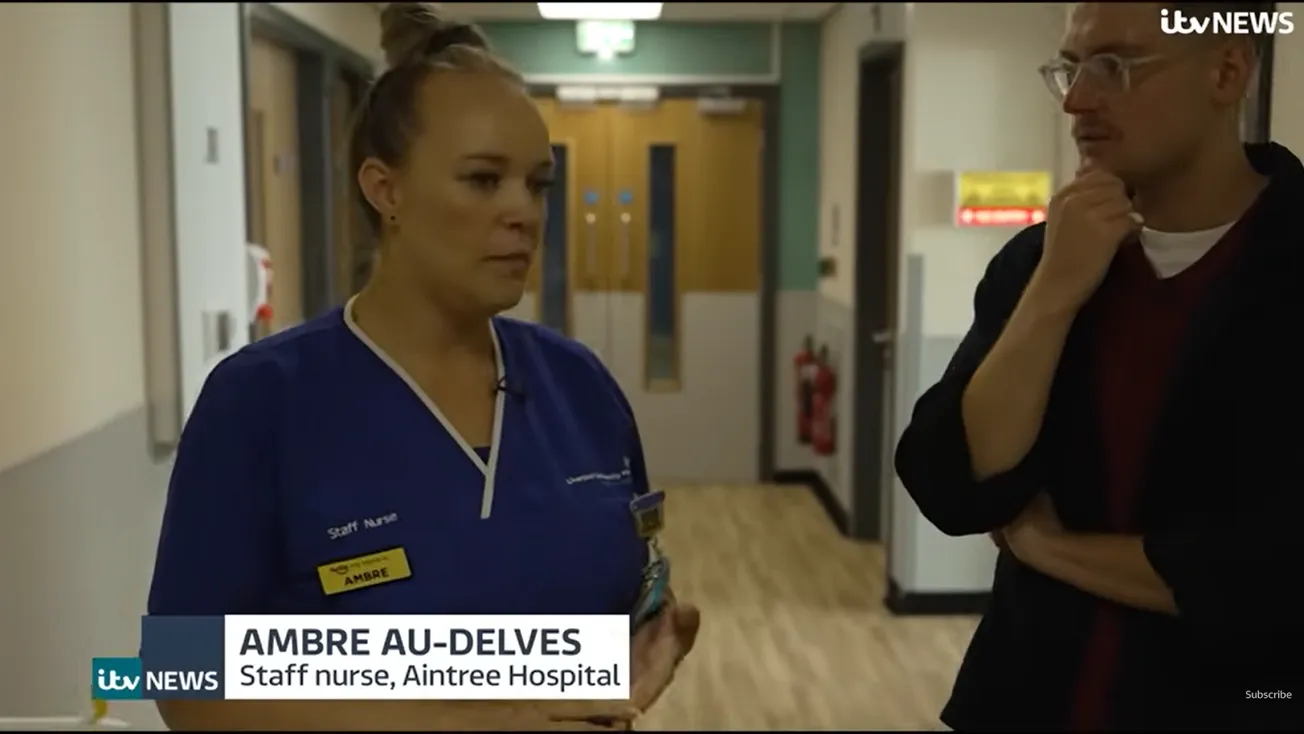
Context: Last week, ITV News was given access to a new bespoke ketamine clinic. The footage, which you can watch on YouTube, will form part of a new documentary – Ketamine: What's Next? – all about the increasing use of the drug across the country.
But the video about the specific clinic, based in Aintree Hospital, details shocking consequences of ketamine abuse in Liverpool and across the North West. Some of these stories included a 27-year-old woman obliged to use adult nappies due to bladder damage and a 22-year-old support group leader in Skelmersdale who used to “wake up being angry that I was still alive” after sustained ketamine usage.
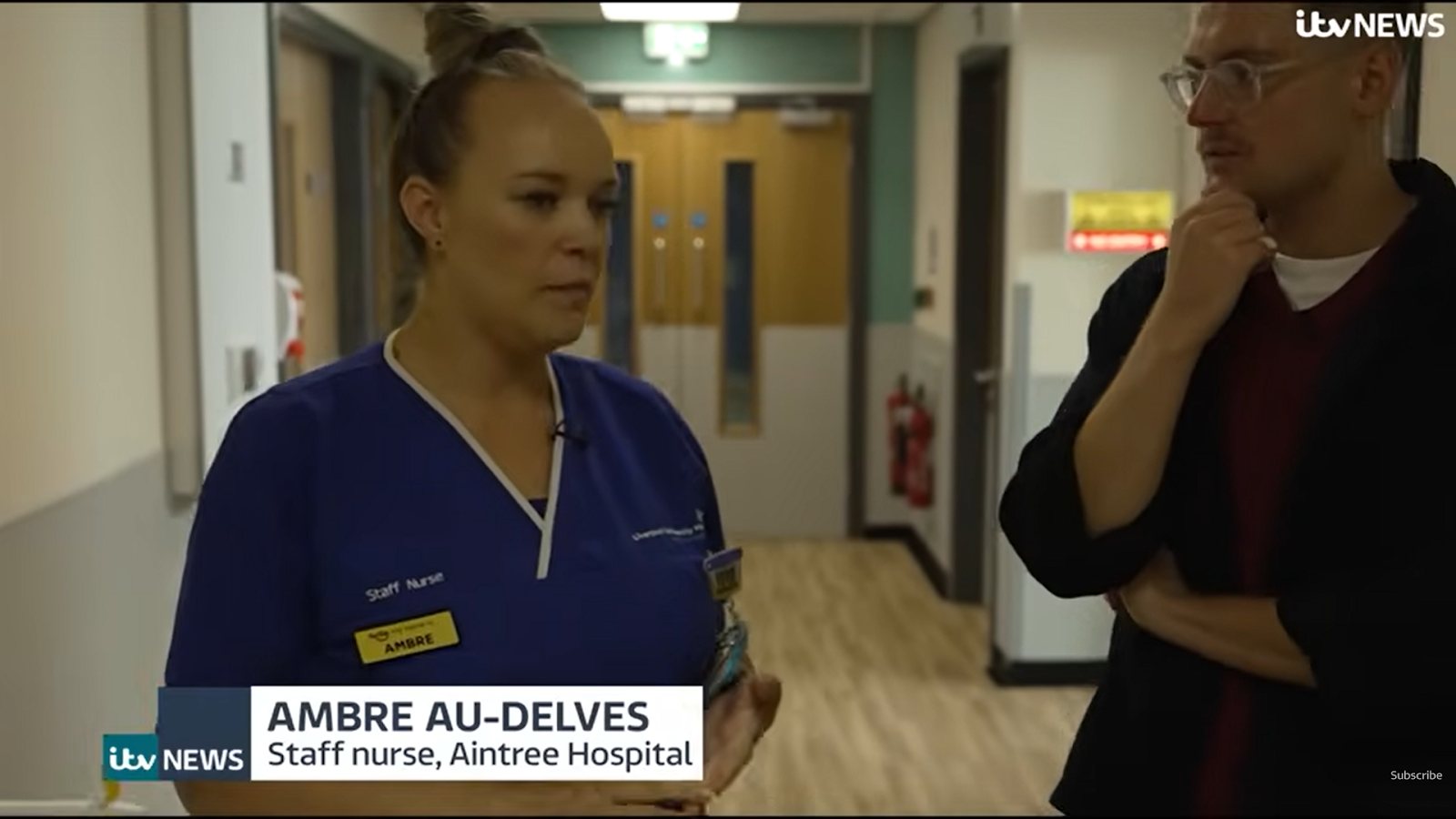
Aintree is not the only Liverpool hospital to open a specific ketamine clinic. Perhaps more disturbingly, in July last year Alder Hey became the first children’s hospital in the country to open a department aimed at under-18s abusing the drug.
What is ketamine? Ketamine is a general anaesthetic, most often used in veterinary medicine as a horse tranquiliser but also sometimes used to treat humans. It induces a trace-like state of dissociation providing pain relief, sedation and amnesia.
Because of these effects, and its hallucinogenic properties, ketamine has been appropriated as a street drug, known sometimes as “ket” or “special K.” It is usually consumed nasally.
Advocates for the drug, based upon its psychedelic or therapeutic potential, have also contributed to the discussion over the decades. Unfortunately, ketamine advocate Marcia Moore disappeared in 1979, and after her remains were discovered in 1981, it has been hypothesised that she had injected all the ketamine available to her before falling unconscious and dying of hypothermia. DM Turner, an author and psychedelics advocate, also died in 1996 after injecting an unknown quantity of ketamine.
In more recent times, researchers advocating for the drug have stressed the need for controlled, clinical environments. A 2019 paper by neuroscientist Kenji Hashimoto described the discovery of the drug’s “robust antidepressant” effects as “the greatest advancement in mood disorder research in the past 60 years.” In 2020, Awakn, the UK's first ketamine-assisted clinic, opened in Bristol, using ketamine to treat patients with depression, anxiety, and post-traumatic stress disorder. Awakn shut down four years later, with Professor David Nutt, scientific advisor to the clinic, saying there were not enough private patients to keep the centre open.
Is abuse worse in Liverpool than other places? Harry Sumnall, professor of substance use at John Moores University, told the BBC in April last year that one of the problems in Liverpool was a lack of local data about how widespread use was in the city.
According to the National Drug Treatment Monitoring System, the number of under-18s in England entering drug treatment who described ketamine as one of their problem substances rose from 335 to 917 between 2020-21 and 2023-24, and government figures also showed a rise in under-17s reporting problems with ketamine from 512 in 2021-2022 to 1,201 in 2023-2024.
So this isn’t a Liverpool-specific issue. But Harriet Corbett, senior paediatric consultant at Alder Hey, told the BBC in July that she thought Merseyside had a bigger problem with the drug than elsewhere after speaking to other paediatrics across the country, adding that there was a particular problem in the more rural areas of Merseyside.
In June, ITV reported that politicians in nearby Cheshire were struggling to keep ketamine at bay, with children as young as 12 opting to buy it over a packet of crisps or a fizzy drink due to its cheapness and accessibility.
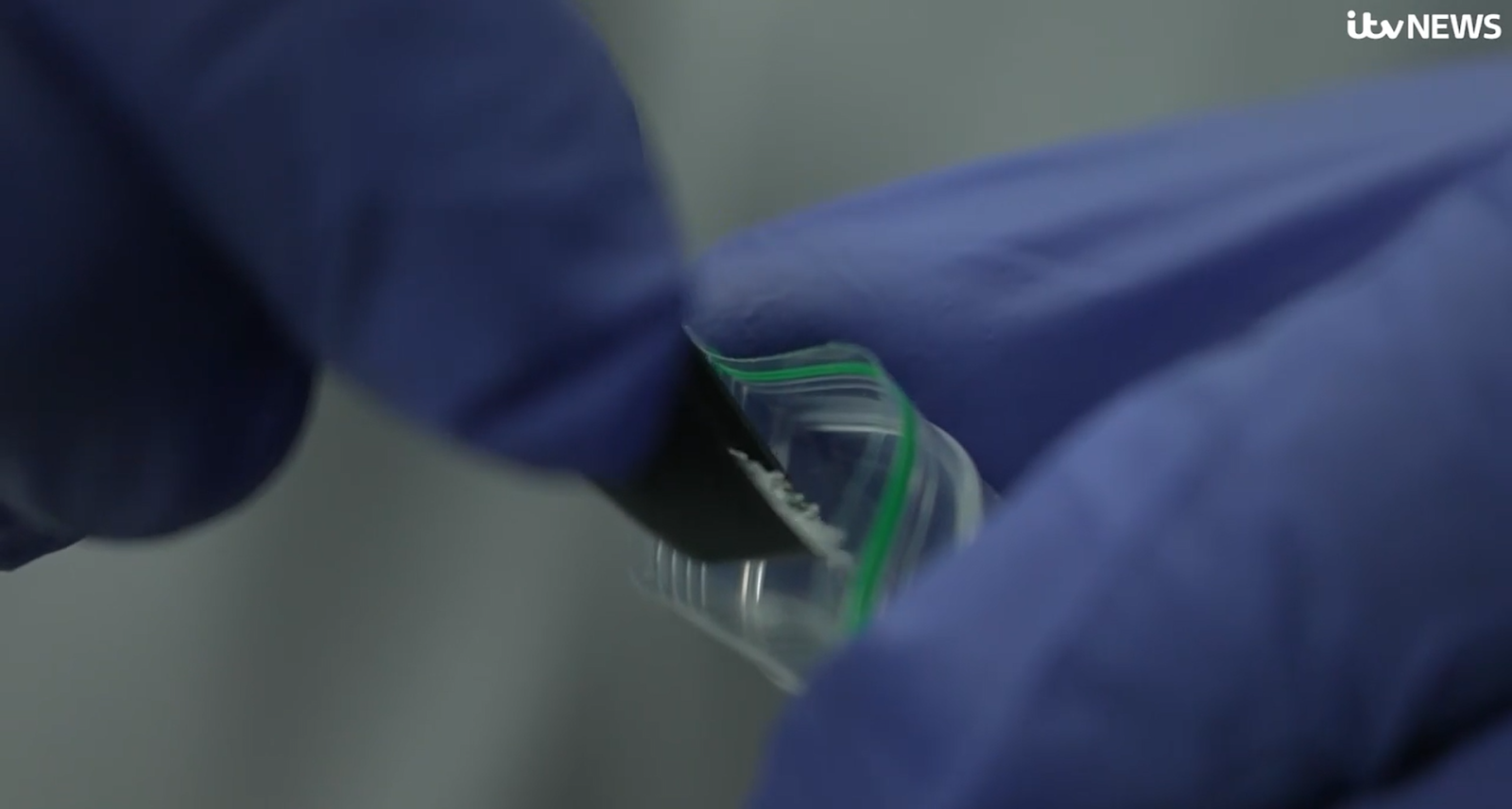
Liverpool councillor Lynnie Hinnigan told city leaders in April that she had personally spoken to a 20-year-old addict who had told a session of strangers “how she had to wear adult pull-ups, didn't want to die, and was going to leave the session and reuse as she couldn't cope with the pain". Hinnigan warned that ketamine was "stealing the futures" of a growing number of teenagers in the city.
Aintree’s consultant urological surgeon Katie Moore, interviewed in ITV’s documentary, reported seeing an “explosion” of ketamine usage over the last decade. “Ten years ago I probably wouldn't see it much at all," she said. "Now we know more about the long-term consequences and more people are coming forward admitting that they are taking it."
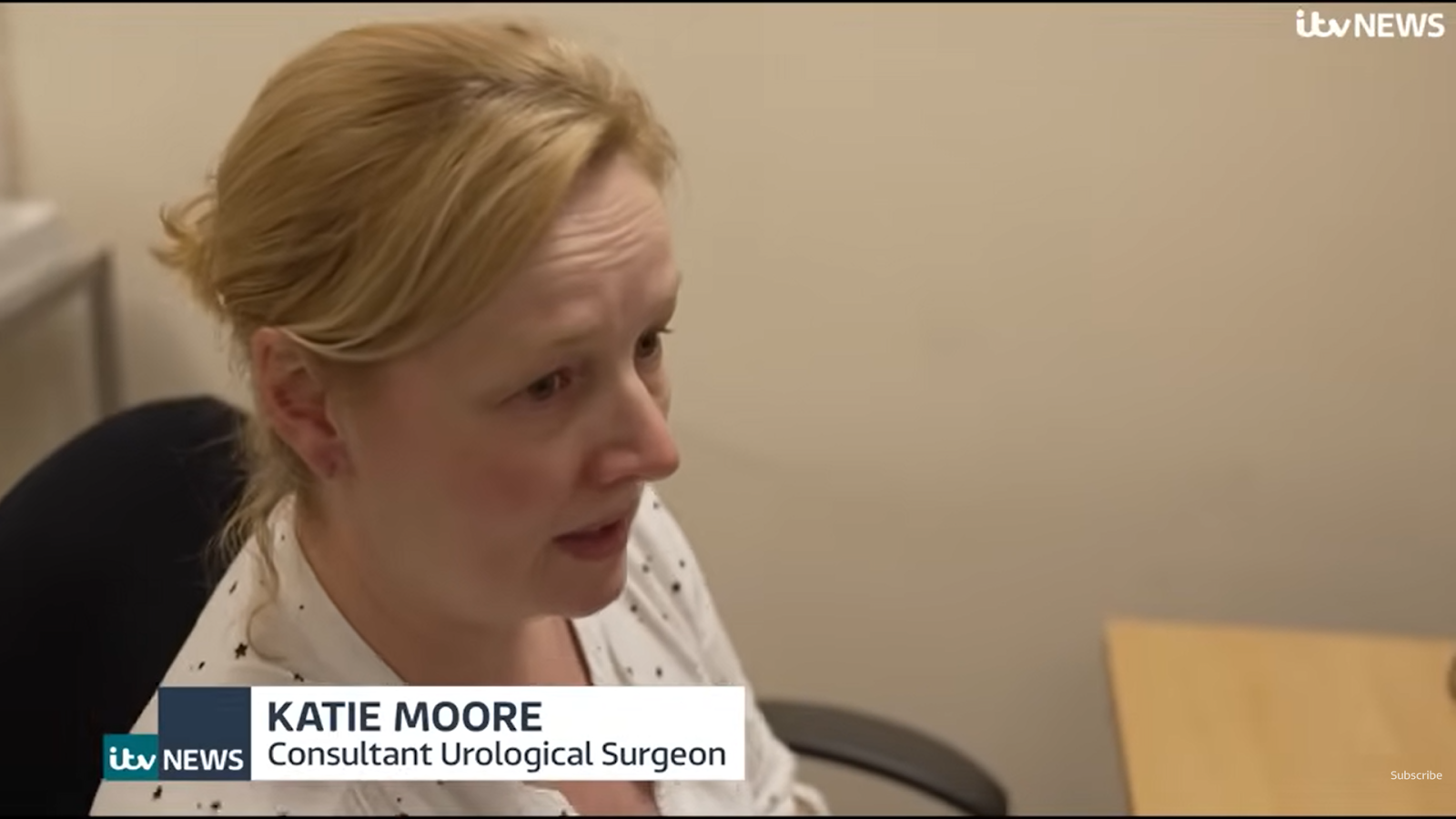
Bottom line: Moore has issued a warning to regular and long-term ketamine users. "I think in the future we are looking at a significant number of young people that are ultimately going to have to have their bladders removed and replaced with a stoma — which is a bag on the outside to collect the urine," she said.
Twelve years ago, ketamine was reclassified from Class C to Class B. For the last year, the UK government has been seeking expert advice on whether to upgrade it again to Class A, which would mean anyone supplying it could be handed a life sentence.
Have you seen a rise in the drug being used in Merseyside? Let us know your thoughts on reclassifying the drug below.
Photo of the week

We love this snapshot of Queens Avenue taken by Reddit user Mamichulathefirst. A comment on the image sums our thoughts up perfectly: “The fact that there isn’t a secret magical bookshop or a tailor that doubles as an armoury for spies on Queens Ave is a constant source of irritation to me,” one Reddit user wrote. Us too…
We’re always keen to feature photos from our readers — if you have a snap you’d like to share please email it to editor@livpost.co.uk for a chance to be featured in our Monday editions.
Your Post briefing
Pottery linked to the transatlantic slave trade has been discovered during redevelopments at Canning Dock. The dock is being renovated as part of the £15mn Waterfront Transformation Project by National Museums Liverpool, and archaeologists working on site have been collecting fragments of pottery discovered by workers digging small test pits around the area. Items found include pieces of porcelain, potentially brought to Liverpool from Staffordshire for export, fragments of sugar moulds and locally made tiles. "It is very exciting to see what has been hidden in the ground for all these years and consider what stories they tell us," Liz Stewart, head of the Museum of Liverpool, told the BBC.
A short update on our Big Help investigation: A lot of our readers emailed us over the Christmas break to ask for an update on the suspension of West Derby Muirhead councillor Colette Goulding. A quick recap: in November, we revealed that nearly £200,000 of Knowsley Foodbank’s money had been transferred to companies associated with ex-Big Help boss Peter Mitchell and his partner, Colette Goulding. She was later suspended from Labour pending an investigation into the allegations. Since then, we’ve asked Labour for an update on her suspension, and whether she will be expelled from the party. While they have opened our emails, they have failed to respond to any of our questions.
A 90-year-old lake on the Wirral could be revitalised thanks to volunteers. The Friends of New Brighton Marine Lake (FNBML) are campaigning to improve the lake’s water quality, which is currently full of debris and rubbish and at risk of another algae outbreak. The hope is that with investment, the lake can instead be transformed into a hub for water sports, with FNBML now putting a bid together to take over the lease for the lake during the summer. Colin Clayton, the chair of the group, said that volunteers want to make sure "every possible person can enjoy and benefit" the lake.
Post Picks
🎷On Wednesday, Mark Simpson’s Wind Ensemble heads to the Tung Auditorium. He’ll be leading a performance of Mozart’s Grand Partita, with Merseyside composer Gary Carpenter adding his own fantastic homage to the masterpiece. Find out more here.
📖On Thursday, Professor Daisy Fancourt heads to West Kirby Bookshop to discuss her new book, Art Cure — the science of how the arts can impact health and wellbeing. Find out more here.
📽️On Saturday, Liverpool Horror Club is hosting a viewing of the 1992 classic, Highway To Hell, at the Liner Hotel. We’ll have our aviators at the ready for this one…find out more here.
🎸Also on Saturday, the Jacaranda Baltic is celebrating its 2nd birthday. There will be live performances from Two Blinks, I Love You, Courds, Honey Motel, Temeraire & Pevova. Tickets are only £2 — grab one here.
Recommended reads 📖
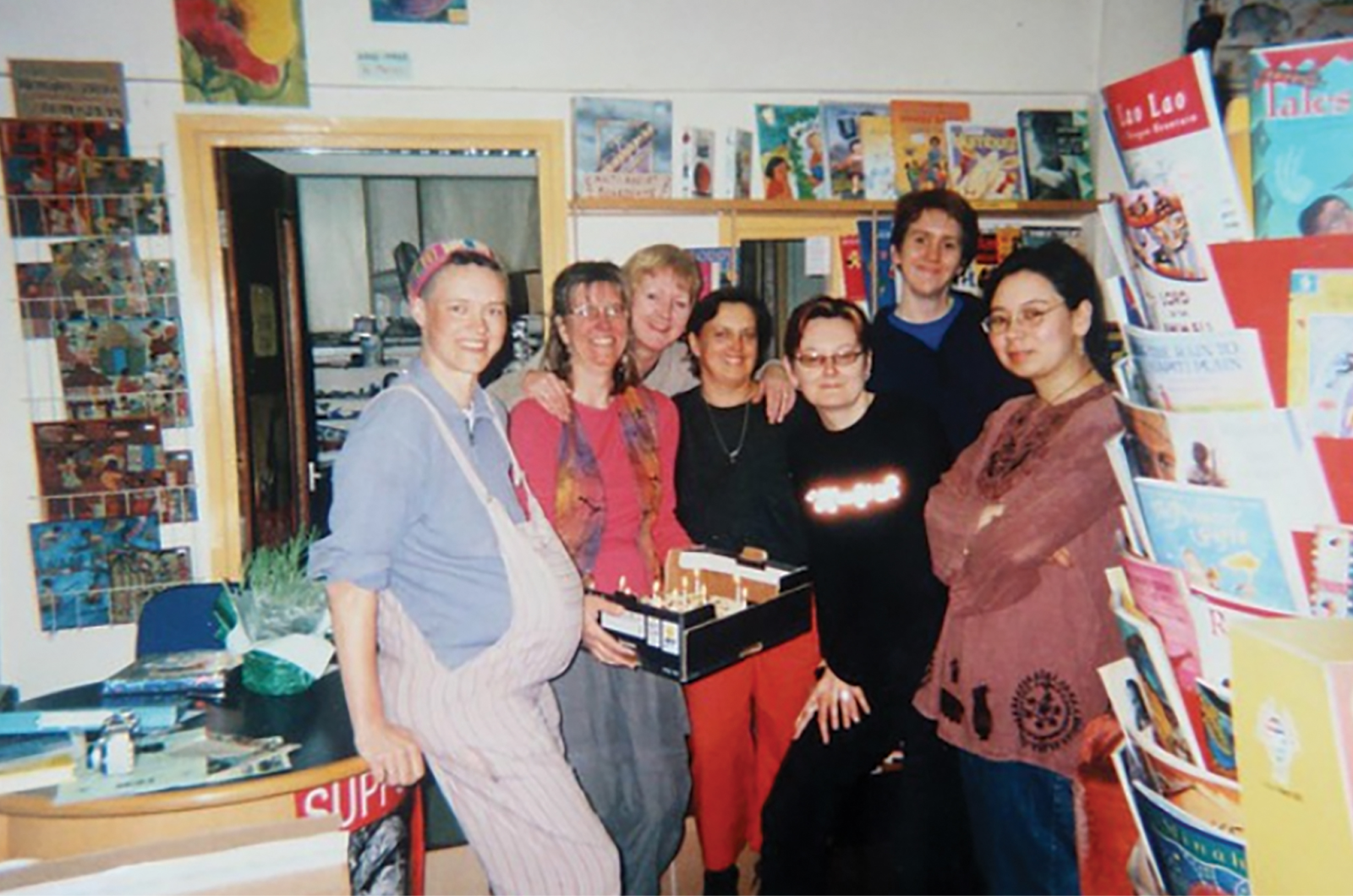
This fascinating piece by The Tribune focuses on the Women’s Liberation Movement here in Merseyside. At the tail end of the 1960s, the movement was founded in a modest flat in the Princes Park area. There, a group of women and men — many of whom were already friends and neighbours — gathered to plan protests and fight for women’s reproductive healthcare.
Sign up to our mailing list and get two totally free editions of The Post every week: a Monday briefing, full of everything you need to know about that’s going on in the city; and an in-depth weekend piece.
No ads, no gimmicks: just click the button below and get our unique brand of local journalism straight to your inbox.
Comments
Latest
Fountains, Ffrith and turning the place over
Just what is happening with Peak Cluster’s CO₂ pipeline?
A ‘stitch up’? How Wirral council bungled Big Heritage
Merseyside’s buses are coming back into public hands. Why not trains too?
Does Liverpool have a ketamine problem?
Plus: an update on the suspension of councillor Colette Goulding