

A ‘stitch up’? How Wirral council bungled Big Heritage
A £4.5mn museum was meant to open this year. Instead, its creator claims he was ‘sabotaged’
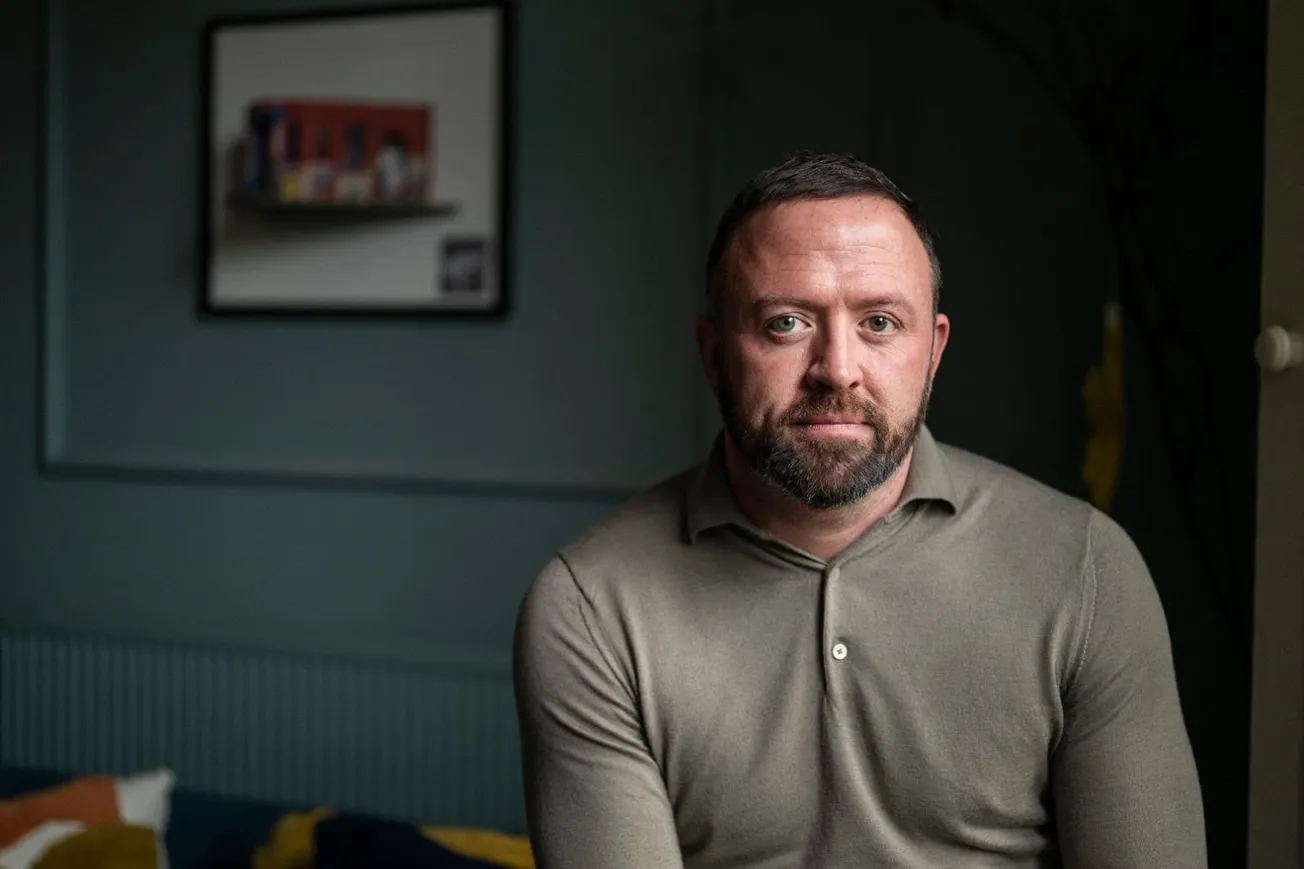
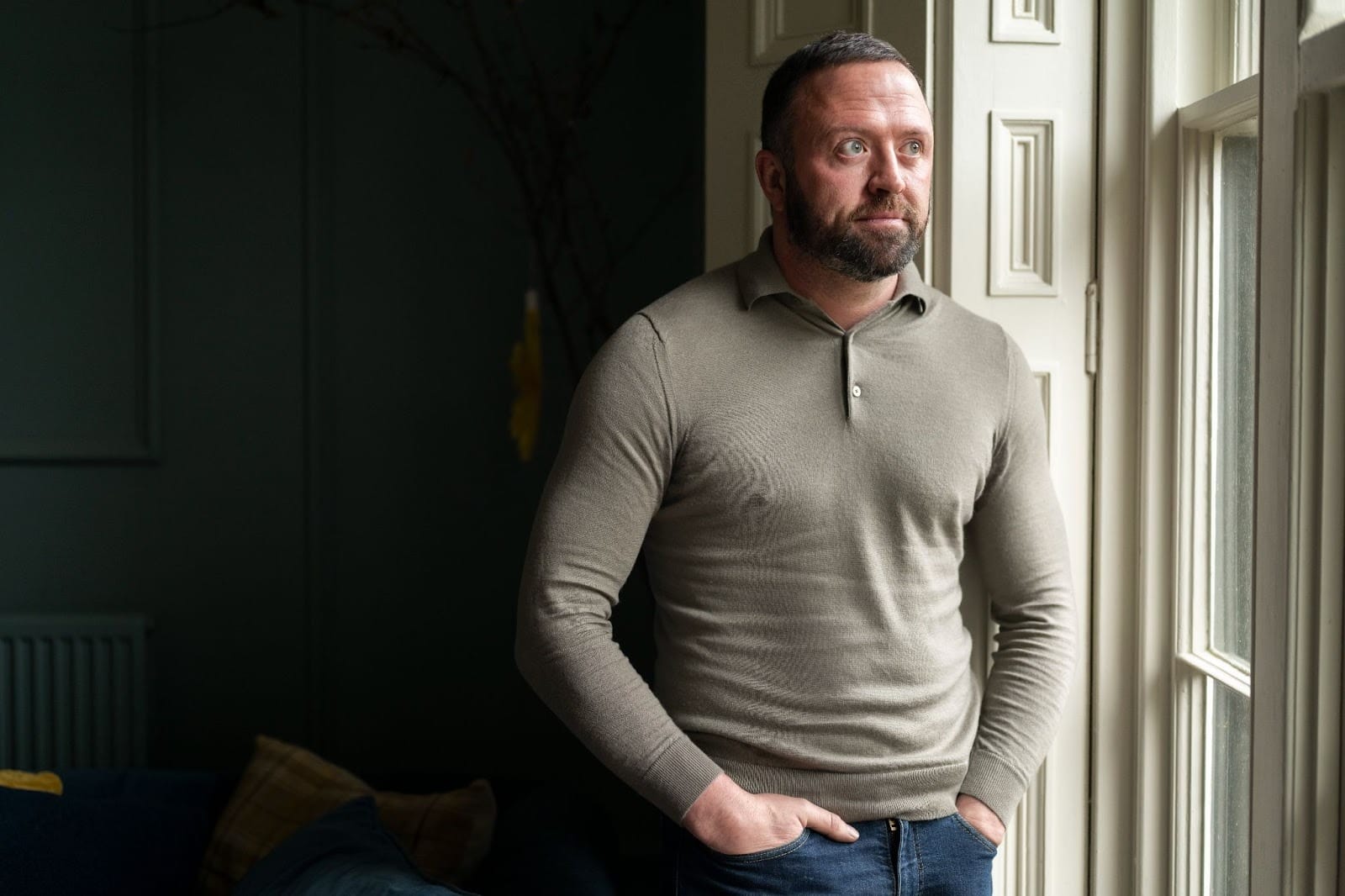
Dean Paton is passionate about history. As a child growing up on the Wirral, he was fascinated by the antiquated buildings around him; the gothic visage of Birkenhead Priory a stamp in his childhood memory. As part of a working class family, free-to-enter museum exhibits and tours were a staple of his summer holidays.
Not all of us pursue our passions into adulthood, but Paton did. In 2011, he founded Big Heritage — a company specialising in the restoration of historic sites — and built award-winning Merseyside museums Western Approaches and Sick To Death. But for the past two years, Dean Paton has found himself locked into an altogether different battle; one waged not with war boats on the high seas of the North Atlantic, but with tense meetings and curt emails. His opponent? Wirral borough council.
Hello! It's Abi here. I'm really excited to share this deep dive into Wirral's failed transport museum with you. Stories like this have a lot of moving parts, and can take weeks of work to pull together. That's why today's edition is paywalled part-way down. For us to be able to go so in-depth and get into stories in ways other journalists don't, we need the support of readers. If you take out a paid membership at The Post today, you get two months free. Not to mention, you'll help us carry on reporting in ways few journalists have time for. You can also join monthly, so why not give it a go?
Let’s rewind. In 2020, Wirral had big aspirations for regeneration. As part of the government’s plans to “level up” deprived areas, they were offering councils up to £25mn to help fund tourism projects, housing and the like.
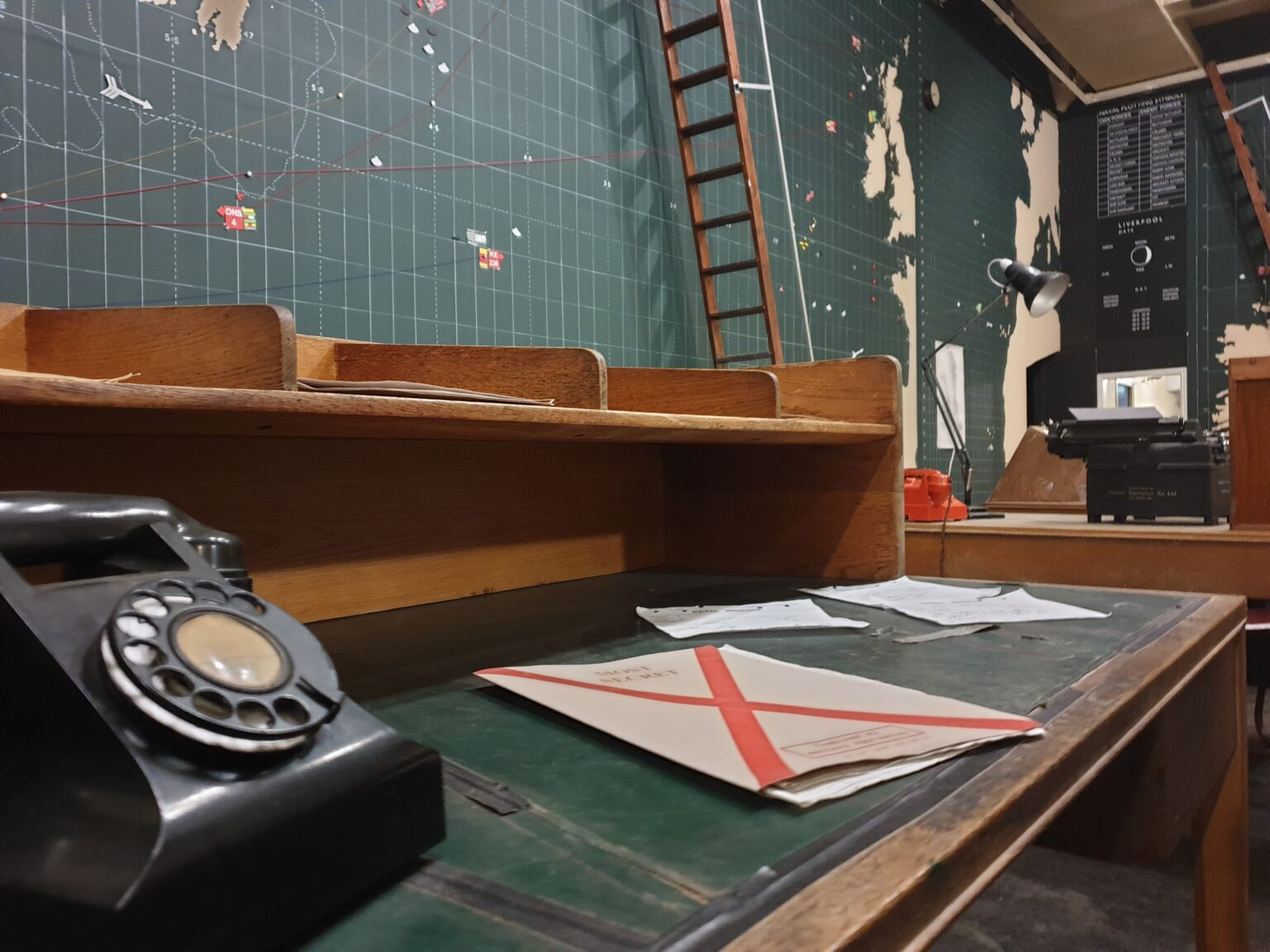
Alan Evans, a bald, stocky man in his late forties, was in charge of regeneration in the borough. To win the Levelling Up fund, he needed a heritage project as part of his bid, which is where Dean Paton came in. Big Heritage were already planning to expand onto the Wirral, and had acquired the lease for the old U-Boat attraction by Woodside Ferry Terminal earlier that year. The U-Boat shut due to safety concerns, but Paton planned to reopen the site as a new war museum — dubbed ‘The Battle of the Atlantic’ — showcasing “never before seen artefacts” from the longest military battle in history.
So, Evans made Paton an offer: instead of applying for funding from the Heritage Lottery (a slower process), Big Heritage could join the council’s bid. Paton was ecstatic. “Here was [the council] offering us all the money we needed in one swoop,” he tells me over a coffee on Lark Lane, where we meet to rehash what he calls the “worst year of [his] life”.
Big Heritage wasn't the only company getting involved. National Museums Liverpool were part of the council’s regeneration plans too; they’d be creating a new ‘Transport Shed’ in Birkenhead – a 500 square metre space filled with over 250 historic vehicles. To Paton, this was a “once in a lifetime” opportunity — a chance to bolster Wirral’s offer to tourists with one of the best transport museums in the country.
In 2021, Wirral council got the green light and were granted over £20mn for regeneration across the peninsula — including £2.9mn for the Battle of The Atlantic and £6mn for the Transport Shed. However, behind the scenes things were becoming difficult. In August 2022, director of regeneration Alan Evans left the council unexpectedly. Bizarrely, in the 18 months that followed, three more directors were appointed, then walked away. With regeneration directors dropping like flies, “chaos” ensued — according to two Wirral councillors speaking to The Post on the condition of anonymity. The Transport Shed fell victim, with sources close to the leadership of National Museums Liverpool blaming the council’s ill-planning.
According to one source close to the leadership of the museums, a senior figure there said they “would never work with Wirral council again”.
I hope you’re enjoying our story about Wirral's failed transport museum. This is what we do at The Post, and it's the type of reporting you can get by signing up. While this story is paywalled, our mailing list gets you two totally free editions of The Post every week.
No ads, no gimmicks: just click the button below and get our unique brand of local journalism straight to your inbox.
This put the council in a tough position. To claim the cash from the government they had to deliver a transport attraction. Unaware of what was happening behind the scenes, Big Heritage CEO Dean Paton stepped forth. He’d take on £4.5mn of the budget allocated to National Museums Liverpool, and use it to restore Wirral’s Transport Museum on Taylor Street. That site closed in April 2023 due to safety issues, and since then the relics inside had gathered dust. It would be easy enough for Big Heritage to sign a 25-year lease and fix it up, Paton thought.
While the funding agreements for the Transport Museum hadn’t yet been signed, Paton got to work commissioning award-winning architects to draft up plans. The government required all projects to be completed by March 2026, so there was no time to delay. He was happy to spend his own cash upfront — after all, “when it’s a council, you tend to think it’s concrete,” he says, and a committee had already approved the project. All in all, Big Heritage spent around £250,000.
In August, council officers reassured Paton that a funding agreement was almost ready, and in an email sent on 5 September 2024, an officer reiterated that cash “is fine to be claimed back” at a later date. But behind closed doors, a new regeneration director had different ideas.
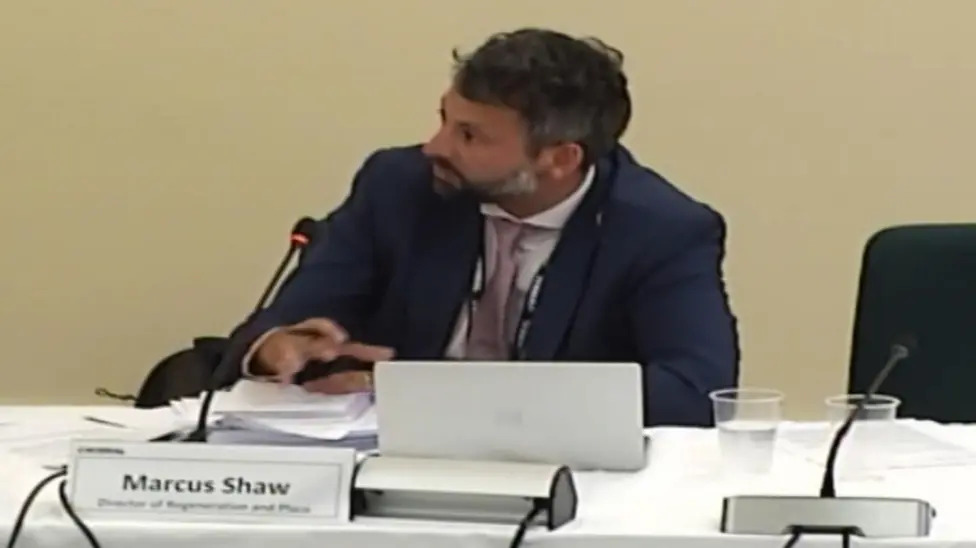
Marcus Shaw, a former council officer and director of asset management, was appointed to the job in March 2024, and during the latter part of 2024 began private discussions to alter Big Heritage’s funding agreement. In emails leaked to The Post, a council officer referred to a meeting on 19 December 2024 where it was decided there would be “a reduced scheme” for the Transport Museum.
Unaware that this was happening, Paton continued to plough money into the museum, and while the council told him the project would be subject to a review come January, he felt confident thanks to the assurances previously given to him by officers.
At 4pm on 11 February, he was called into the council’s offices in Birkenhead for a meeting with officers Rebekah Lowry and Dave Marsh. “I knew straight away that something was up,” Paton says — as he walked into the small glass room he describes seeing a “sheepish” Lowry as she shuffled papers and stared at the ground.
Despite the frequent assurances that had been offered to Paton, and the fact he was now over “a quarter of a million” deep into Big Heritage’s reserves, a review of the Transport Museum deemed it undeliverable. The £4.5mn assigned to the project would be retracted. He describes it as “the carpet being pulled from underneath us.”
Before Paton had a chance to formally challenge the report, the council presented their findings to a committee who voted to strip the museum of its £4.5mn.
Annoyed at the situation, Paton wrote to the council’s then-CEO, Paul Satoor, for help. He raised concerns about Shaw’s leadership, writing: “I now believe the leadership team deliberately obstructed us, withheld information…and have intentionally avoided communication”. Within days, Satoor replied — copying Shaw into the email. After that, an email invite was accidentally forwarded to him — a meeting had been scheduled between Paul Satoor and Marcus Shaw, specifically to discuss “DP”: Dean Paton. In emails seen by The Post, officers also began pressuring Paton for private meetings, requesting that none of his advisors or project planners be present.
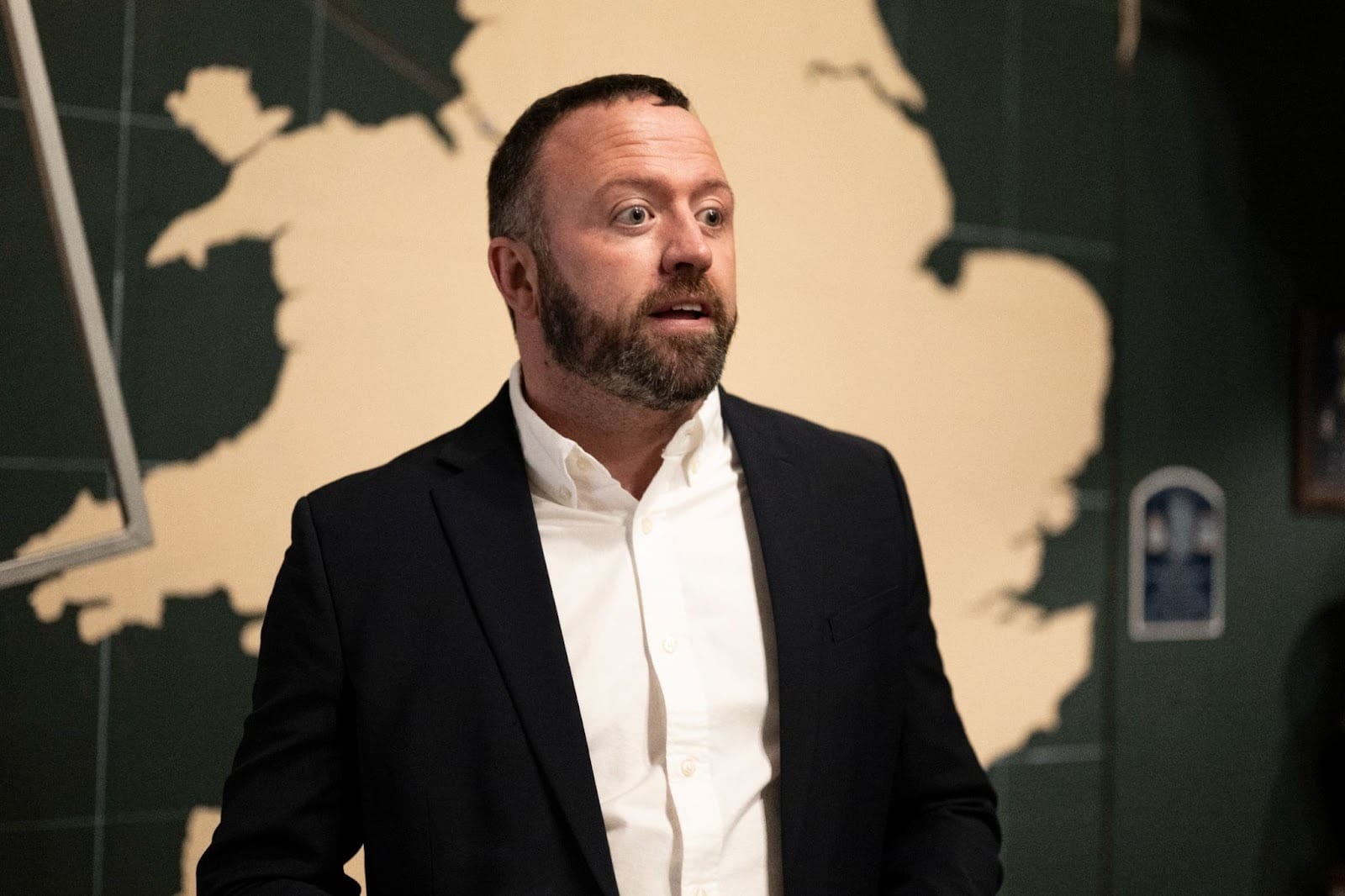
Things only got stranger when he began receiving calls from withheld numbers. On one occasion in mid-March, he was putting his child to bed at around 6pm when his phone began buzzing. His five-year-old daughter got a hold of it and clicked the answer button. “I bolted over and asked [her] who are you speaking to?” he says, “and on the other end was Marcus Shaw again, asking for a meeting.” In an email seen by The Post, Paton contacts the council’s regeneration team, writing: “if I get another call I’m reporting it to the police”.
We approached Wirral council for comment on these allegations, and asked them if it is normal practice for staff to push for private meetings and call from withheld numbers. They did not answer our specific questions. We also emailed Marcus Shaw and council officer Rebekah Lowry, and contacted Paul Satoor on LinkedIn, but received no responses.
Paton became increasingly concerned by the council’s behaviour, and requested a copy of the report that said his Transport Museum was undeliverable. After initially being refused it, he agreed to a meeting with Shaw in April, and told him he needed to see the document so Big Heritage could “learn necessary lessons”. When it finally arrived, the report did not deem the Transport Museum undeliverable by the deadline at all — in fact, it said Big Heritage’s plans “should be achievable”. “My head completely fell off,” Paton says, “I thought I must be going mad.”
He quickly got on the phone to a member of the committee — who asked not to be named — that had voted to axe funding for the museum. They told him they’d received a version of a report which had a different conclusion, and sent a copy to Paton. “Quite frankly, I’ve never seen anything like this before,” the committee member tells me. “These things don’t happen just by accident.”
Paton believes the council changed the report to to mislead the committee — a very serious allegation.
Wirral council strongly denies this, and says they did not deliberately produce conflicting versions of the report. Instead, they told The Post that the version sent to Paton was a draft, and since then an “internal review” has taken place. That review found “no material differences between the draft and final versions of the report”. They continued:
“In some cases it has been identified that communication — providing sufficiently detailed information in a timely manner — between officers and decision makers could be improved. Measures are being implemented to achieve that, and these will be reviewed and refined where necessary to ensure they are effective. Recent months have seen considerable progress on schemes including Birkenhead town centre, Liscard, Birkenhead waterfront and New Ferry, with further improvements set to be put in place across the borough over the coming years."
It’s important to note that, for the most part, we only have Paton’s side of this story. While we presented a thorough list of questions to the council, they told us they were unable to answer the majority because of ongoing legal action. Despite this, through emails, documents and copies of reports seen by The Post, it is incontrovertible that the council had intentions to withdraw money from the Transport Museum before they communicated this to Paton.
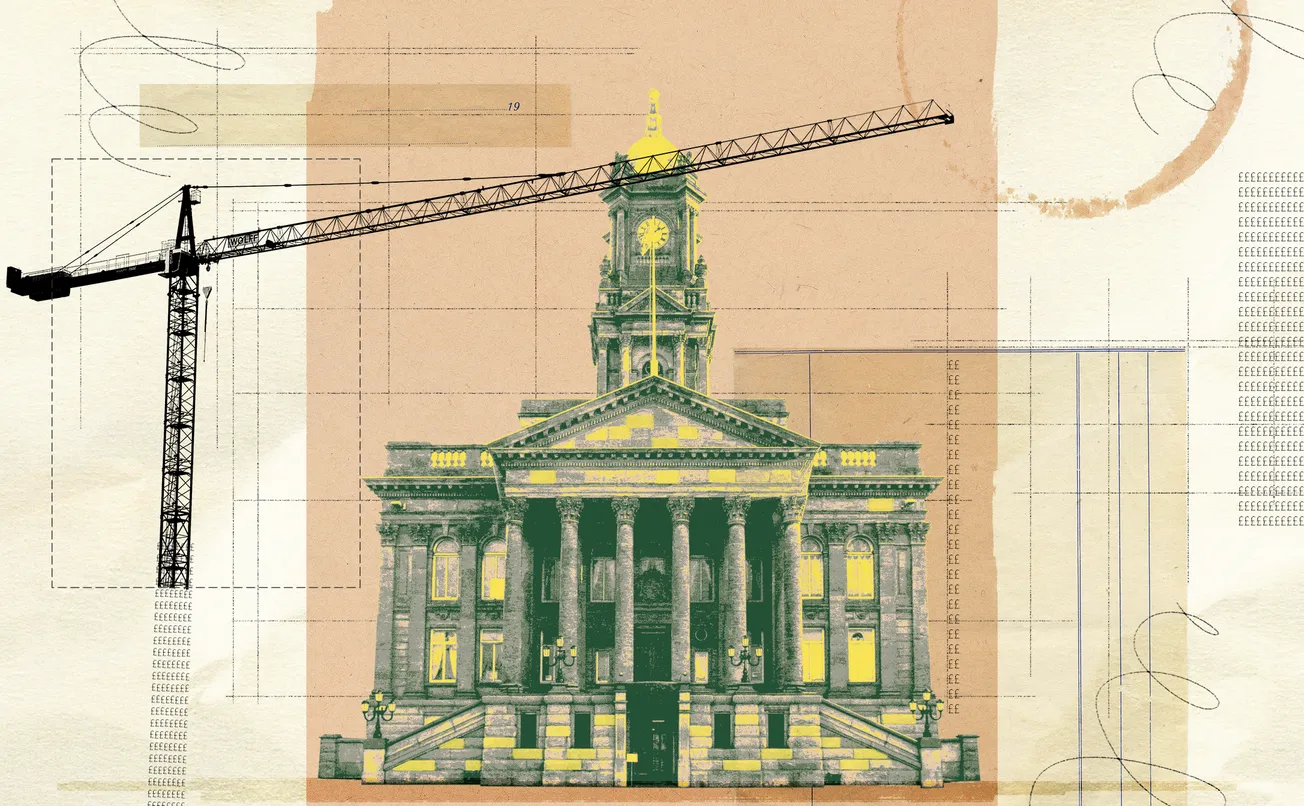
Much of this questionable decision-making can be traced back to the fiscal nightmare the council now finds itself in. In the past two years, regenerative efforts in Birkenhead have spiralled out of control; what was initially supposed to be a £12mn scheme to improve the town centre has doubled in cost, and earlier this year the council requested another multi-million pound bailout to avoid bankruptcy.
It’s therefore unsurprising the local authority made attempts to claw back funding to plug gaps it couldn’t fill. Big Heritage isn’t the only victim in this — over £1.1mn that had been allocated to the Woodside Ferry Village was removed, as well as roughly £2mn that had been set aside for a housing project near Conway Park.
“It’s blindingly obvious they just wanted the money back, and needed to find a way to justify taking it off me,” Paton says. Three councillors that spoke to The Post for this story agree with his assertion — “an awful lot of this goes back to internal ruptures within the council,” one says, adding that it “was never anything to do with the merits of the Transport Museum” and Paton has been “stitch[ed] up”.
Since The Post published its investigation into Wirral council last year, a lot has happened. An internal inquiry into the council’s regeneration team identified weak governance, and an audit report published earlier this month said the authority is under “acute financial stress” because of decisions made between 2022 and 2025. This report also included serious criticism of the way regeneration director Marcus Shaw was appointed — describing his stint as “the latest in a series of five appointments to the role” and these “to some extent reflect deficiencies in the professional leadership”.
Paton has now launched a legal claim against the council. In it, he continues to allege they “made alterations” to the report on the museum’s viability “to present different conclusions”, and that “officers in charge of the regeneration project started to withdraw funds…in order to use the monies for other projects which had been mismanaged.”
While the case was initially dismissed by a judge due to documents being filed 24 hours after the deadline, Paton is now in the process of appealing that decision in the High Court.
Admittedly, the ongoing dispute has put him in an awkward position. Despite all that has happened in the past two years, he’s still working to deliver the Battle of the Atlantic Museum by 2027 — working alongside the same council he’s now fighting against. “It’s like a weird dream,” he says, “one day I’m sitting across a table talking to council officers [about the Battle of the Atlantic], the next day I’m opposite them in court.”
I hope you enjoyed today's story about Wirral's failed transport museum. Remember: for us to continue producing journalism like this, we need the support of readers.
So why not share us with five of your friends? Send them today's story by clicking the button below.
Comments
Latest
A ‘stitch up’? How Wirral council bungled Big Heritage
Merseyside’s buses are coming back into public hands. Why not trains too?
From Jimmy McGovern to Len McCluskey: The household names rallying behind Writing On The Wall’s employees
The lost department stores of Liverpool
A ‘stitch up’? How Wirral council bungled Big Heritage
A £4.5mn museum was meant to open this year. Instead, its creator claims he was ‘sabotaged’