

In a Queens Drive state of mind
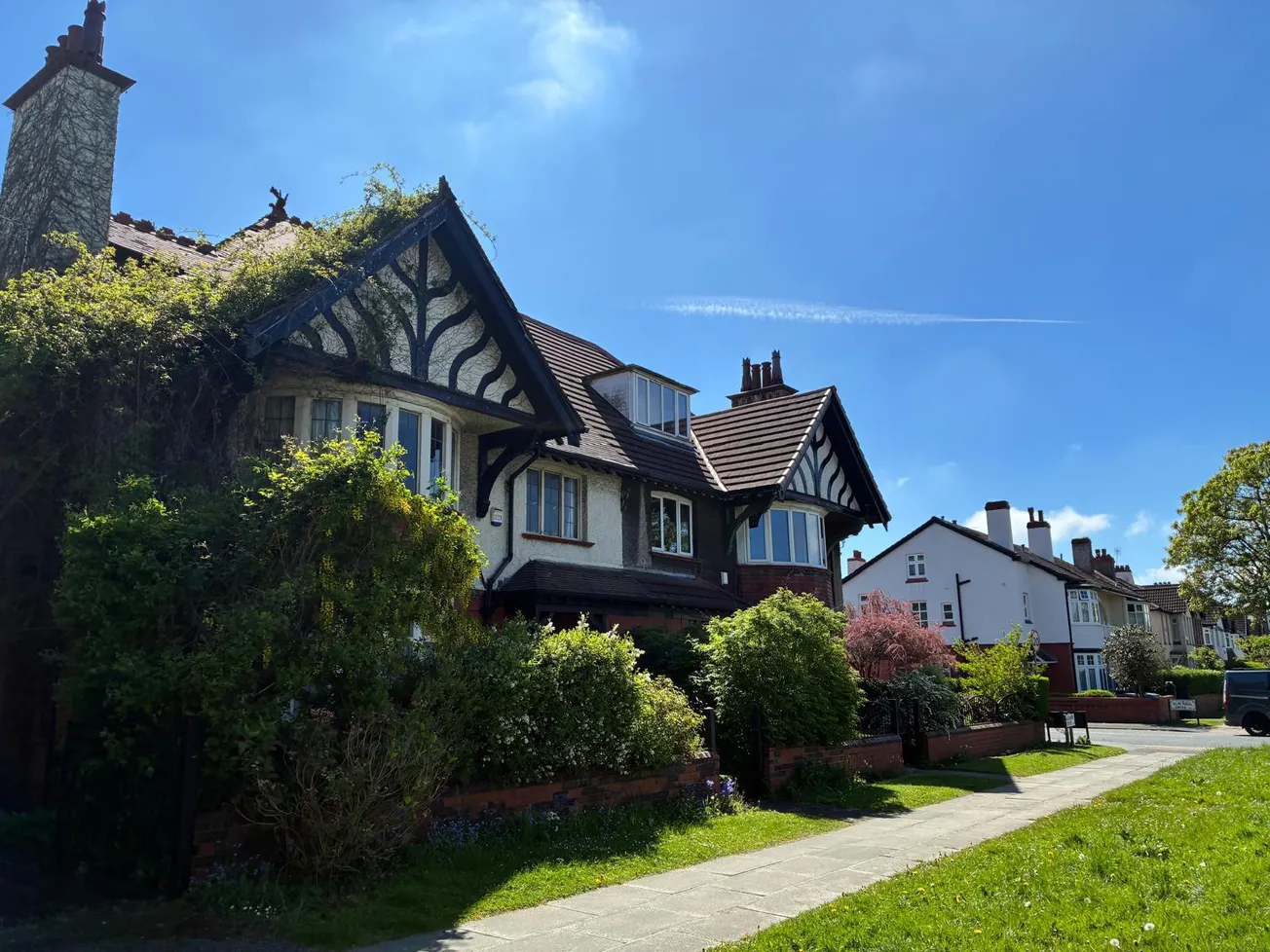
David Lloyd on the magic and majesty of the country’s first ring road

Ring roads. They've inspired literature, like Iain Sinclair's London Orbital, artwork by the great Andrew Wyeth, and electronic tracks from the likes of Underworld. And yet, Britain's very first has never been properly appreciated: the A5058, AKA "Queens Drive." To rectify this error, we sent one of Liverpool's best writers David Lloyd on a psychogeographic adventure up and down the length of this orbital of dreams and told him to write what he sees.
Sadly for our payroll monkey (but happily for readers), all of our writers are hard-nosed professionals, as mercenary with money as they are with excessive verbiage, and demand payment for their labour. Today's piece is free to read, but if you appreciate the variety and volume of The Post's present output, consider becoming a fully-fledged member today and accessing the best local journalism of any stripe available right now.
Queen's Drive arcs over Liverpool like an Edwardian bell jar, enclosing a delicate specimen within. Something strange and exotic, pinned in place and set aside for inspection. For seven miles, the road cradles the city from Breeze Hill in the north to Mossley Hill in the south.
When it was dreamed up, its aim was resolutely practical – but just a little bit magical, too.
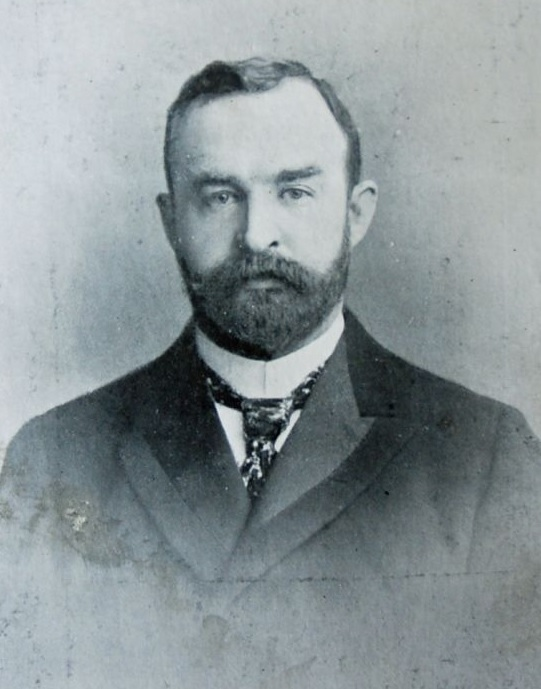
Back when Liverpool still had vision, the city’s chief engineer John Brodie figured something out before anyone else in the country had. Pretty soon, he realised, all these new-fangled motor cars are going to clog up our inner cities and choke off any hope of growth. Every main road in Liverpool burrowed directly into the centre. In time, Brodie prophesied, this would grind the place to a halt.
His solution was elegant, but also radical. The man – who also invented the football goal net and helped design New Delhi in his spare time – proposed what he called a "circumferential boulevard" lassoed three miles out from the city centre, allowing cross-town traffic to flow without burdening the core. In doing so, Brodie created the country’s first ever ring road.
Brodie was also proposing a bold rethink about town planning, and about Liverpool itself. This was a way, he suggested, to connect us all. To unite the city in a way no other growing metropolis had yet dared to imagine; so that we could all share in the spoils of the city centre’s rapid growth.
Yeah, right.
Take that journey today, 120 years on, and something becomes clear: this isn't tarmac as connective tissue at all. It's a wormhole between two distant universes.
Breeze Hill is one of the most deprived neighbourhoods in England – Kirkdale is ranked in the bottom five percent. Drive south along the curve of Brodie's boulevard and you arrive in leafy Mossley Hill, where the same index ranks the area comfortably in the least deprived quarter of the country. Life expectancy differences are even more sobering – Mossley Hill’s average male life expectancy is 85.9 years. In Kirkdale, it’s just 74.6.
Drive seven miles down the same road in the same city, and you’ll be rewarded with a decade more life. And a deep dive into deprivation could be the route you might expect this feature to take (hey, this is the Post, after all). But I know Queens Drive, I lived alongside it. Many of my friends still do. Trace your family tree back, and chances are it branches back to the A5058 at some point too. I also know that data flattens everything, and if you travel Queen’s Drive end to end, something subtler tugs at you. Something the statistics can't quite touch.
This story is free to read - you just need to join our mailing list. And why wouldn't you? By becoming a Post subscriber, you'll get our scoops, features, and insights, in your inbox, the second we hit publish. No card details required.
Already have an account? Sign In
Latest
The city declares war on HMOs
I Was(n’t) a Teenage Pop Star
Nine years since the explosion, New Ferry feels betrayed
Why are suicides on the rise in the north west?
In a Queens Drive state of mind
David Lloyd on the magic and majesty of the country’s first ring road