

Cuts, care and council tax hikes: how the city is balancing its books
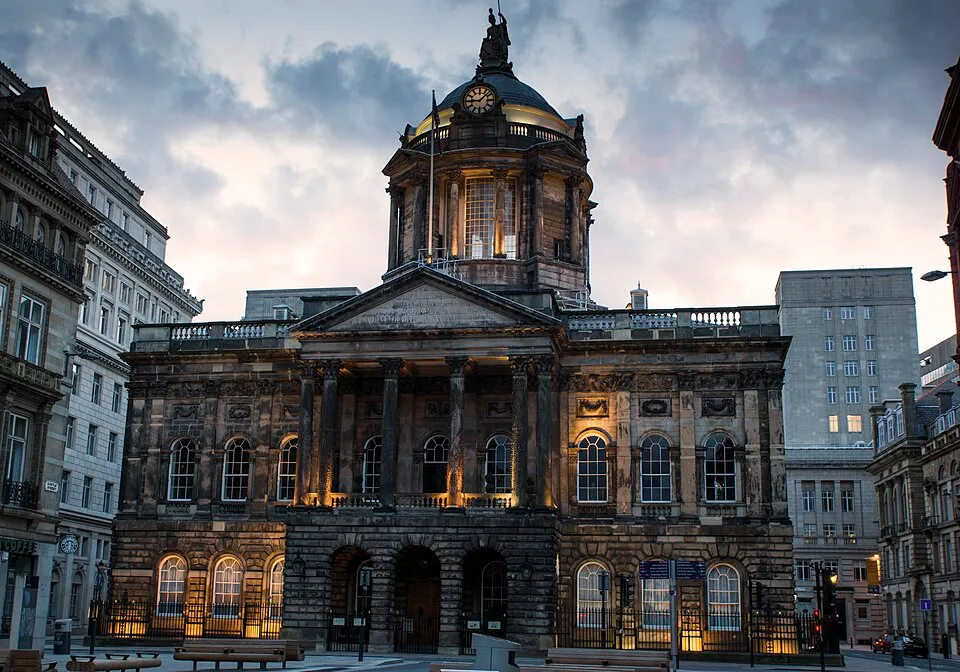
Plus: After years of turmoil, LIPA School shuts its doors
Dear readers — another Monday is upon us, and a burning question from Laurence: why can’t groups of people on the Albert Dock figure out how to walk in single file? Is it just the sight of a large bald man striding towards Rough Hand Made bakery with a steely determination that short-circuits their brains? And has anyone noticed if this is a problem around the city region more generally?
Today’s big story is a breakdown of Liverpool Council’s proposed budget for 2026. In it, we dive into which services are getting more cash, and which will be struggling to make ends meet this year.
But first, did you check out our weekend read? Thank you to everyone who reached out with their memories of North Wales holidays, not of all which could make Laurence’s piece. A particularly interesting one from Malcolm Hurlston that puts a different spin on the relationship between people, place and class:
“When I was 17, I worked in a shipping and forwarding agency in Liverpool. Older women, who worked in the office with me, cried when they spoke of their wartime experiences as evacuees in North Wales. They had not been welcome, and the Welsh had let them know brutally. All this was news to me, coming from an upper middle class family in Birkdale. Our friends had yachts in Abersoch and a different perspective of North Wales. But working-class Liverpudlians suffered badly and never forgot.”
 Laurence Thompson
Hello stranger! We know what you're thinking. You love the idea of The Post — a quality paper serving the Liverpool City Region, replete with big investigations, cultural deep dives and vital political coverage, but you're too busy to visit us regularly.
Never fear: sign up below and you'll get two totally free editions of The Post every week, delivered directly to your inbox. That includes a Monday edition like this one, with a big story, a briefing, cultural picks and a recommended read, and one other article such as Laurence's "Postcard from Colwyn Bay" that went out over the weekend. No need to pay a penny: just click below and we'll do the rest.
Your Post briefing
The Liverpool Institute for Performing Arts (LIPA) School is closing. Regular readers may remember that in 2024, The Post uncovered alleged financial mismanagement and ‘shocking’ decision-making at LIPA Multi Academy Trust, the collective made up of LIPA’s sixth form, high school and primary. Well, on Friday, parents learned that the primary school and secondary school will shut permanently after summer. A Department for Education (DfE) spokesperson said the decision — made between Education Secretary Bridget Phillipson and the school’s leadership, according to the letter that went out to parents — "had not been taken lightly", and that a four-week consultation will now take place. A DfE representative also cited “declining pupil numbers” and “the school's unsustainable financial position”. LIPA is a separate institution to the performing arts college of the same name founded by Sir Paul McCartney, which will remain open. Abi is currently investigating the collapse of LIPA MAT — contact her on abi@livpost.co.uk with any information.
Sad news for ferry enthusiasts — the Royal Iris of the Mersey is to be decommissioned after 67 years of service. The ferry was first launched as “Mountwood” in Devon in 1959, and after a major refurbishment in 2001 was renamed and repurposed as a Mersey ferry. It will be replaced by the £26mn Royal Daffodil later this year. Mersey Ferries said “further details to be confirmed in due course" regarding a send-off for the “much loved” Royal Iris, which regularly takes passengers on River Explorer Cruises, trips along the Manchester Ship Canal, and evening cruises. “We encourage everyone to take the opportunity to step aboard and enjoy a trip while she's still sailing,” said a Mersey Ferries spokesperson.
Is there an “echo” in here? — You may remember Abi’s recent article about the possibility of Merseyrail going public. Well, the Other Liverpool Paper have put their own spin on the subject, claiming that the region’s trains could be brought “under public control in two years’ time”. As we reported, Serco and Transport UK’s 25-year contract with Merseyrail will come to an end in 2028; at that point, the service provider is set to be rebranded as Transport for Liverpool City Region (TFLCR). Well, this week Liverpool City Region Combined Authority (LCRCA) leaders are due to meet at Mann Island and cabinet members will be “asked to back plans for a full and detailed analysis of putting control of the trains back into our hands.” At that point, an analysis of the risks and opportunities for a publicly-controlled TFLCR service could be reported back to LCRCA leadership later this year.
And former St Helens North MP Conor McGinn has denied sexually assaulting a woman on a night out. The 41 year old Labour politician is accused of "coming on to" the complainant after they went out for drinks, allegedly groping her breasts and crotch. McGinn appeared at Westminster Magistrates' Court on Friday charged with sexual assault, to which he pled not guilty. McGinn was first elected in 2015 and spent nine years in parliament, during which time he served as an opposition whip and the Labour Party's deputy national campaign co-ordinator. He had been suspended by the Labour Party in 2022 after the alleged incident in July that year, and stood down as MP in the 2023 election. His defence barrister said McGinn "vehemently denies" the allegation against him.
The big story: How the city is balancing its books
Top line: Liverpool Council meets this week to set its budget for the year. But how do the numbers stack up?
Context: Each year, the government decides how much money councils will receive over the next 12 months. They do this by reviewing council forecasts — each local authority outlines exactly how much money they think they need to carry out essential services like housing, education and keeping our streets clean. This provisional budget is then voted on — if councillors reject it, a new one must be proposed.
The council votes on the budget this Wednesday. But what’s in it?
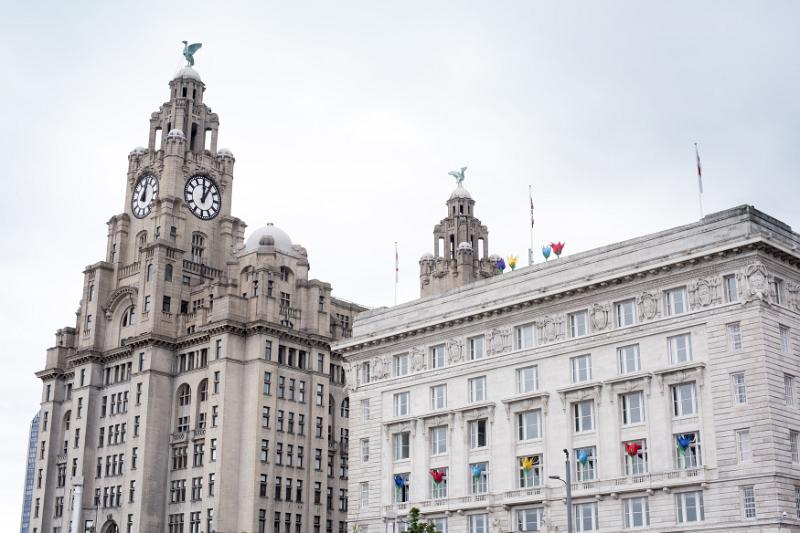
A budget breakdown: Several key services should get more funding this year. This includes adult social care, children’s services and homelessness provision, which will receive around £90mn more than in 2025 — when these services were allocated £263mn, £203mn and £120mn respectively.
In Liverpool, these three services usually receive the largest amount of funding because they are statutory: the council is legally obliged to provide support and care to those who need it.
According to the council, historically this has put “significant pressure” on their finances, and accounts for roughly 70% of their annual budget. In a bid to help local councils, earlier this year the government announced that 90% of debts accrued through councils supporting vulnerable children will be written off by the end of the financial year.
For our parks, rubbish removal and street cleaning, around £7.5mn has been allocated in the 2026 budget. The council has promised to spend around £4.5mn on replacing equipment in every play park across the city, as well as creating over 100 jobs and apprenticeships linked to our green spaces.
A new fund? The council have also unveiled plans for a new Community Renewal Fund — a pot of cash allocated to ward councillors to fix problems in their areas. This fund will get almost £4mn over the next two years.
Of course, this proposal sounds remarkably similar to the Local Neighbourhood Fund (previously known as the Mayoral Neighbourhood Fund) which enables councillors to request spending in their wards.
While the council hasn’t quite fleshed out the details of this new fund, in principle it will be spent collaboratively with community groups — like the ‘Friends Of’ organisations that look after our parks or community groups running small cinemas — rather than by councillors exclusively calling the shots.
Next up: building. The council has allocated £231mn on infrastructure projects in the next year, including investing in roads, school buildings, health facilities, improving leisure centres and building more energy efficient buildings.
The latter part is key — Liverpool council has committed to becoming carbon neutral by 2035, and making buildings more energy efficient and decarbonising heating are a key part of that goal.
Last year, we published a piece assessing whether this aim is actually realistic. “They are 100% not realistic or achievable,” one climate activist told us. “I’m all for ambitious targets. But there’s ambitious, and then there’s no chance. There’s got to be an element of realism in there.” Read that piece below:
 Laurence Thompson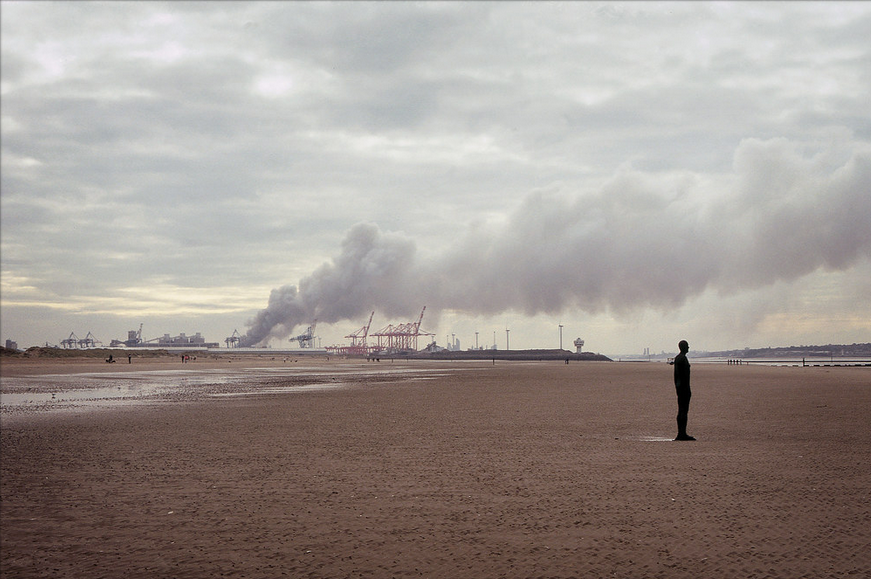
‘Fair funding’?: One of the most interesting parts of this year’s budget comes from a new government settlement. Following the “Fair Funding” review — a new review of how councils are allocated money that takes into account deprivation levels — Liverpool has been moved up from sixth to fifth highest in terms of the amount spent per head.
In real terms, this means Liverpool will receive an extra £186mn in funding from central government over the next three years — marking a rise of about 25% — with £69mn of it set to be used over the next 12 months.
Council leader Liam Robinson thinks this is something to shout about:
“We have received the best settlement for 15 years and, although it won’t replace the funding we lost during the austerity years, it enables us to make choices about where to make investments,” he said, adding that the council can “plan for the future with certainty…and make a visible and positive difference in communities over the coming years.”
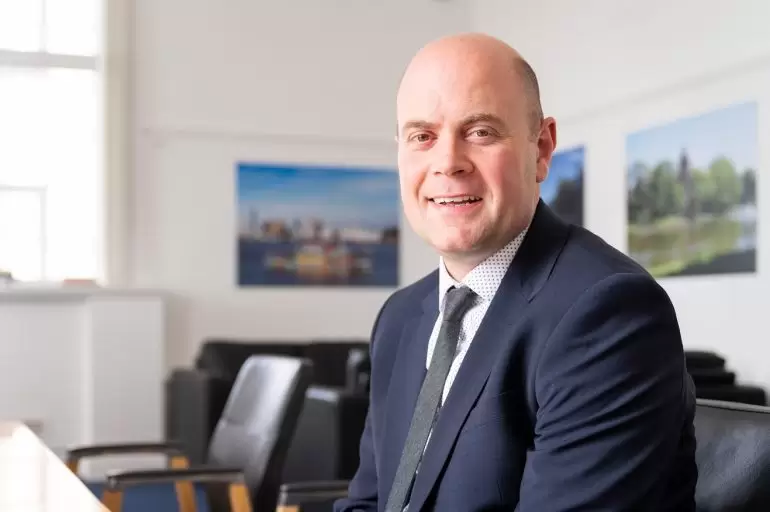
Funding cuts: Despite this, the budget still represents a cut of more than £50mn compared to 2025. Because of this, the council has proposed a council tax rise of almost 5% to plug that funding gap — the highest amount council tax can go up without a referendum.
They are not alone. Reports show that over 80% of local authorities have outlined their plans to raise council tax by the maximum amount this year. And, over in neighbouring Warrington, their local authority are planning to hike up council tax by an eye-watering 7.48 % from April 2026. Warrington council are currently facing significant financial pressures and budget gaps, and have now been granted additional financial support from the government.
Bottom line: While this year’s budget promises more investment and improvements to public infrastructure, it will no doubt be another challenging year for Liverpool Council. Without the proposed 4.99% council tax rise, the local authority would struggle to balance its books. Just the cost of tackling homelessness and providing temporary accommodation is creating huge strain — hitting nearly £30mn last year alone.
What do you think about the council’s proposed budget for this year? Let us know in the comments.
Photo of the week


We love these pictures of the Chinese New Year celebrations shared on Reddit last week. Credit goes to user Classofliners for capturing the magic!
We’re always keen to feature photos from our readers — if you have a snap you’d like to share please email it to editor@livpost.co.uk for a chance to be featured in our Monday editions.
Post Picks
🎶 Fancy 90s and 00s clubland classics in an iconic Liverpool venue? Neon Night Run X Shredfest is bringing their VIP experience to Sefton Park Palm House this Thursday.
🎤 This Wednesday, the Casa on Hope Street will host the Liverpool Heat of the Roundhouse Poetry Slam tournament. £5 entry!
📽️ Fact on Wood Street are showing one of Laurence’s top ten films of this century so far this Saturday: The Handmaiden by Park Chan-Wook. Click here to buy tickets.
Recommended read
This one is a month old, but when the greatest journalist alive — author of such hard-hitting pieces as “I thought it was weird to have a favourite spoon” and “I have a urinal in my flat and it changed my life” — writes about Runcorn, it’s bound to be timeless.
Adrian Chiles’ exemplary Guardian column about the cargo port on the Mersey really brings Runcorn to life, even as he admits “I don’t know the history of the Silver Jubilee Bridge lighting scheme”, fails to get to grips with the Merseyflow toll, and doesn’t even seem to get out of the car. But when you’re that good, a lack of “rigour” or “information” really doesn’t matter: for journos like us, watching Chiles go to work is like seeing Messi at his peak or Michelangelo in his pomp.
If someone forwarded you this newsletter, click here to sign up to get quality local journalism in your inbox.
If you’d like to sponsor editions of The Post and reach over 35,000 readers, you can get in touch or visit our advertising page below for more information

Hello readers! Laurence here. I really hope you found this Monday briefing about Liverpool city council's budgeting informative and interesting. You can expect one more brilliantly written and deeply researched story this week.
But you're still missing out. Just this year, we've published Abi's investigation into the row over Toxteth TV and my tumultuous interview with Merseyside's latest Reform recruits, not to mention must-read cultural pieces by David Lloyd and Melissa Blease.
And we're just getting started. So you don't miss out on the explosive stories we have in the pipeline, become a paid member for just £1 a week for starters.
We are a reader-funded publication, doing old-school journalism in without clickbait headlines or clunky ads. If that sounds appealing, get on board and sign up now.
Comments
Latest
Cuts, care and council tax hikes: how the city is balancing its books
A postcard from Colwyn Bay
Fountains, Ffrith and turning the place over
Just what is happening with Peak Cluster’s CO₂ pipeline?
Cuts, care and council tax hikes: how the city is balancing its books
Plus: After years of turmoil, LIPA School shuts its doors